A small leak can turn into an expensive, soggy affair if one is not careful with the stop taps, appliances, gutters, roof or hoses. An inspection of the home every so often will put an end to that and show up any failing waterproofing, mould, dampness, rust or ceiling stains before they have a chance to get into your cupboards and floors.
Frederick Ashbury here. One learns in time that household issues do not put in a polite call before they make themselves known. You could be at work and a flexi-hose splits, or a shower leak has been concealed by the tiles for months, and then there are blocked gutters to contend with in a storm. I put together this guide to set out how to keep water from going where it ought not in an Australian home and what it is that catches homeowners unawares.
The Case For Preventing Water Damage In 2026
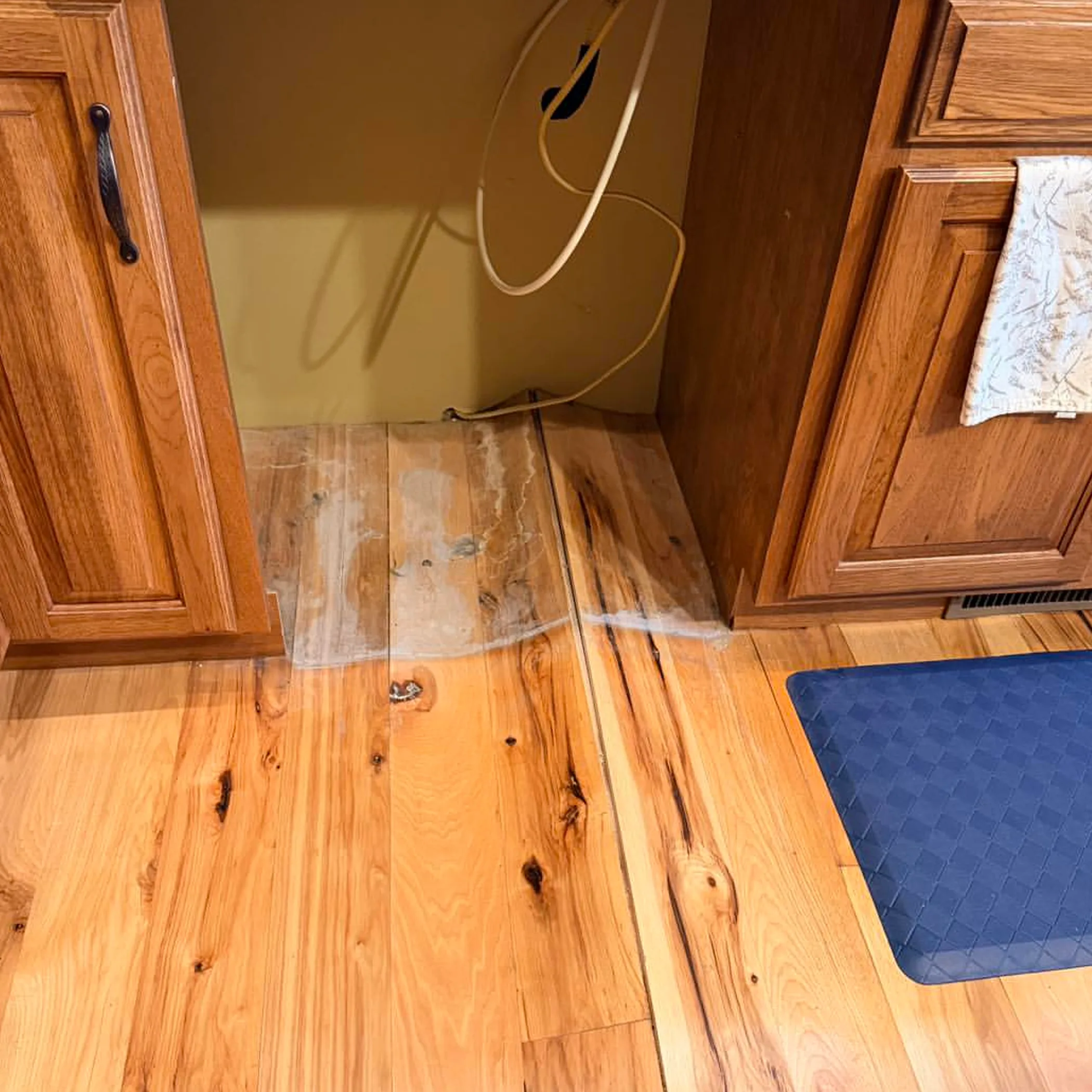
There is no shortage of water risks for an Australian house. Between the hard-to-spot shower leaks, old plumbing, common plumbing crises in Victorian homes, leaking appliances and blocked gutters, and then you have the heavy rain and tropical cyclones; all can do their damage. And when it is dry people tend to let roof drainage and stormwater maintenance slide.
Then you have the differences in weather from one part of the country to another. The Top End and northern WA will be under cyclone alerts and in the wet season from November through April. Down in the southern states the winter rain and summer storms are more intense and there is the matter of bushfire damage to external plumbing and roofs. Heed the severe weather warnings from the Bureau of Meteorology and you will be in a position to prepare.
Reality Check
Homeowners like to think a pipe will burst with some drama. More often the first indication is a saucer-sized stain on the ceiling, a soft spot in the floor, a musty odour or a kitchen cabinet that has swollen.
People will give the visible plumbing once over and leave the rest to it. But water has a way of making its way along the plasterboard, insulation and timber and showing up a few metres from where it started. Do not be fooled by a small mark.
Make A Habit Of Inspecting High-Risk Plumbing
Walk the house at a leisurely pace with a torch. See what is behind the cleaning products and stored items, look under the appliances and cupboards. Put a hand to the connections but stay well clear of any exposed electricals or wet power points; should water and electricity be in close proximity, a licensed professional or the emergency services are called in.
It is a good idea to follow a set pattern: the kitchen, laundries, bathrooms, hot water system, roof space and the stormwater drains you can see. It is a quick and easy routine to go through before heading off for the weekend.
- Under the sink check for any rust, dampness or a stale smell as well as stains on the cabinetry.
- Give the toilets, shower screens, bath edges, floor wastes and the hoses on the washing machine and dishwasher a once over, as well as any exposed pipe joints.
- Up top, look for bubbling paint, peeling surfaces, mould and damp skirting boards.
- Note the reading on the water meter at night and come back to it in the morning after no use; if it has moved there is likely a hidden leak.
As for a dripping tap, it is more wasteful than it seems. At one drop per second (say 0.25 ml) you are looking at 21.6 litres over the course of a day, give or take depending on the tap. Tiny leaks are cumulative.
On Flexi-Hoses
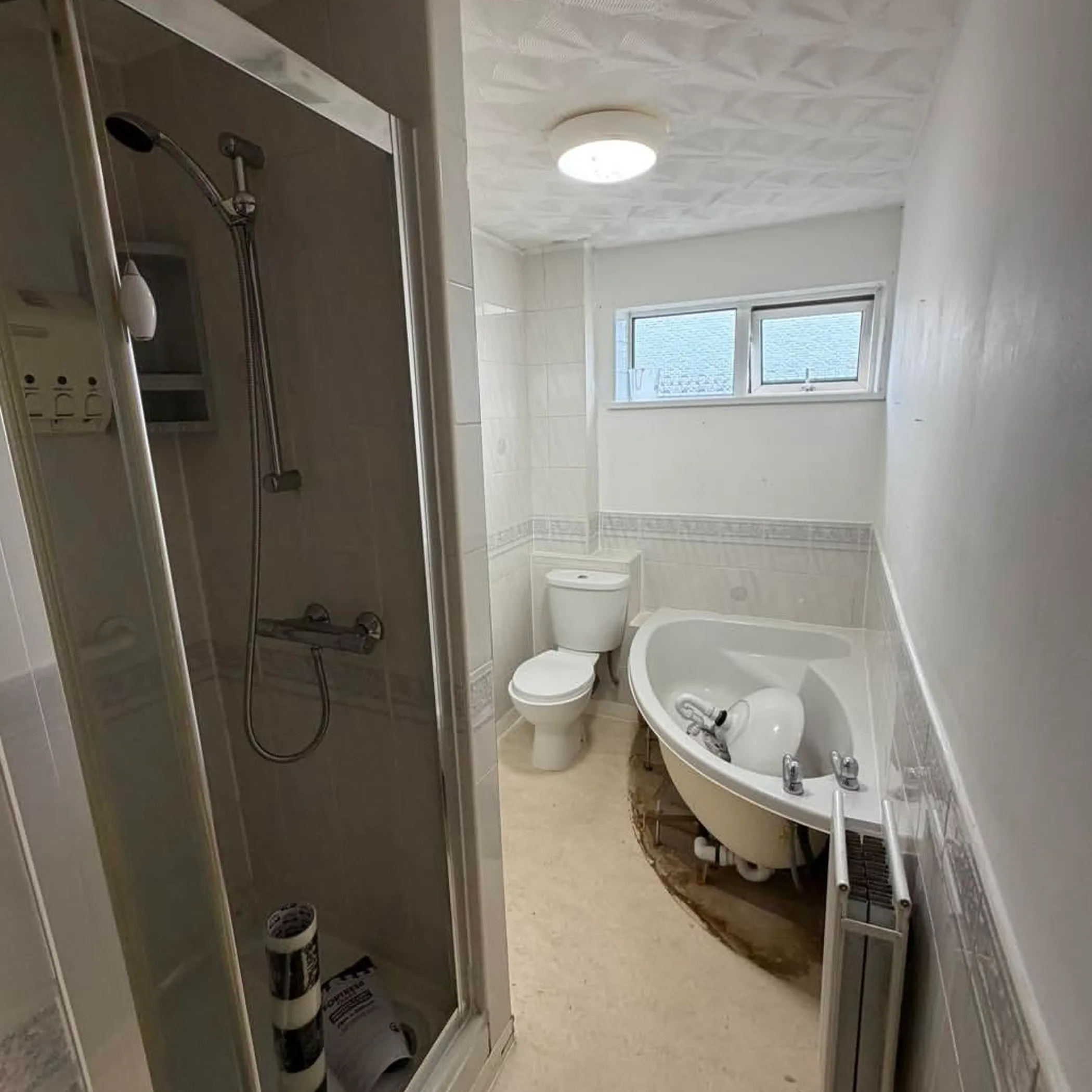
They are a weak point under the toilet, basin or sink. The braided exterior of a flexi-hose may be in fine order but age, corrosion or pressure will have done for the inner tube.
When it comes to replacing them in Australia, have a licensed plumber advise you on intervals and look at the date markings. There is nothing to be gained from a hose giving way at 2 am on a public holiday.
Telltale Signs Of Failure
Telltale signs of failure are bulges, kinks, fraying, green or white deposits and any dampness at the fittings. Do not put strain on the connection with overtightening or by hanging things on the hose, and keep chemicals away from it.
Do the sensible thing and replace the hose as part of your maintenance, the same with those in the kitchen and bathroom. If you cannot get to it easily, have a pro have a look rather than trying to force the cupboard open like one might with flat-pack furniture sans instructions.
Bathrooms And Wet Areas: A Matter Of Protection
With their tiled surfaces, sealants, floor wastes and hidden plumbing, bathrooms are where water is in constant use. To avert a shower leak one has to be mindful of the screen, the silicone work, taps, grout and drains as well as the floor by the vanity and toilet.
Do not confuse surface sealing with proper waterproofing. An application of new silicone will put a neat face on a bathroom but if the waterproofing under the tiles has given way, water will still find its way into the structure.
Seals, Drains And Floors
Put the shower on for a few minutes and see what the water does. You want to see that the floor is quick to drain, no water is pooling at the screen and the door or curtain does not let it spill out of the wet zone.
Should any silicone be cracked or come apart, put in some new, yet do not think that solves a structural issue. There is a difference between a bit of dampness and something that needs a professional’s eye; look for musty smells, skirting that has swelled, loose tiles or staining in the room below.
Drains should be kept free of hair and debris. Harsh chemicals are not to be used routinely on a blocked drain, especially if there is a chance of damaged pipework or a problem outside the property.
Roofs And Stormwater
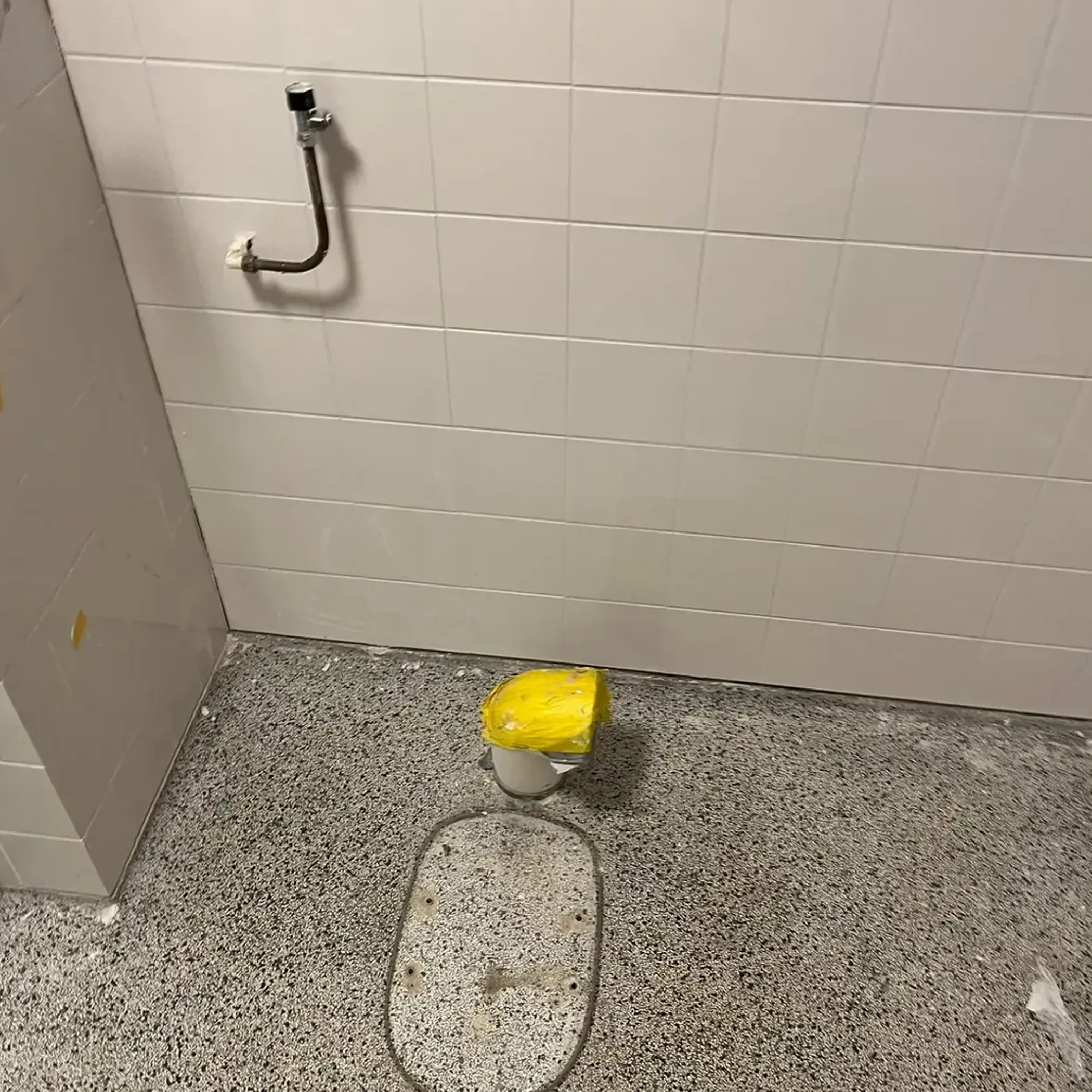
In Australia roof leaks can be put off by an inspection of the drainage system before the wet season sets in or in the wake of a big storm, or if you spot stains on the ceiling. All the components of the roof, from the tiles and flashings to the valleys and downpipes, are interdependent; a single blockage or defect is enough to get water inside.
Here in the Adelaide Hills an uneventful afternoon can become a real downpour and the first heavy rain will tell you about issues that were not apparent in months of dry.
Moving Rainwater
Gutters need to be cleared and downpipes should be discharging clear of the foundations. See that your leaf guards have not turned into dams and look for rust or sagging in the joints. Any branches that are scraping the roof or putting detritus in the gutters ought to be trimmed.
There is no point in going up on a wet roof or laddering up near power lines in windy conditions. Call in a contractor who is qualified if it is not safe to do so. Where cyclones are a possibility, put away anything loose once warnings are issued and heed local emergency instructions.
Rainfall puts different strains on a roof depending on the region, be it the Top End tropics, a Queensland storm or the sudden rains of South Australia and Victoria in winter. A seasonal approach is wiser than one that is merely calendar driven.
Appliances And Pipes
The likes of a washing machine or dishwasher can do damage by leaking in a spot where it is not seen. The same goes for refrigerators with water connections and hot water systems; they should be checked over.
To stave off a burst pipe in Australia one has to be on top of the pressure and watch for early signs. Corrosion, a rattle or a drip from a pipe is information to be heeded.
On Pressure And Corrosion
Water pressure is a function of the property and where it is located. While 300 to 500 kPa is a fair guide in Australia, the plumbing and local dictates will determine what is right. If the pressure is too much, pressure-reducing gear may be called for, so let it be evaluated.
With the hot water system, have a look for rust, corrosion or discharge from the relief valve and never tamper with safety valves. A tank that is leaking means you should shut off the supply and ring a licensed plumber.
| Area | What To Check | Useful Frequency | Warning Signs |
|---|---|---|---|
| Kitchen | Sink traps, flexi-hoses, the dishwasher and taps | Every three months | Rust or a swollen cupboard |
| Laundry | The floor waste, taps and washing machine hoses | Every three months | Bulges or movement |
| Bathroom | The toilet base, vanity, shower seals and drains | Every three months | Mould or soft flooring |
| Roof and Gutters | All the way from the downpipes to the flashings | After a storm | Overflow or rust |
| Hot Water System | The visible pipework, tank and valves | Twice a year | Corrosion or unusual discharge |
Your Main Water Valve
You can limit the damage while help is on its way by being able to turn off the main in Australia. It is usually by the side of the house or the front boundary at the meter. Make sure all adults in the home are familiar with it.
Local stop taps are to be found by the appliances and under the sinks. They will contain a leak without shutting off the whole property, assuming you can get to them and they are in working order.
Preparation For When You Are Away
In the run up to a holiday one should be making checks of the hot water system, gutters, appliances and flexi-hoses as well as taps and toilets. With a house that is to be left vacant it is advisable to put heating or cooling on a setting suited to the season, power down the appliances and if warranted shut the main water valve. Have someone you can rely on come and look over the place in the event of bad weather.
- Do not forget to note the water meter reading on departure.
- Give the local stop taps and the main valve a test, but do not put any force on them.
- All water-fed appliances like dishwashers and washing machines are to be turned off.
- Leave your emergency contacts and access information with a neighbour or property manager of good repute.
Where there is a likelihood of cyclones or storms, heeding official warnings and putting outdoor furniture away is in order. It takes only a few minutes to get ready and in so doing avoid a week of insurance forms, mould treatment and the restorative work that comes with water damage.
Leaks: Act Fast
The priority when a leak is found is to gain control of the situation, not to diagnose it. Put a stop to the water where it is safe to do so and shield anyone from electrical danger. Make a record of events before any of the damaged goods are put aside or thrown out.
All too often people have it the wrong way round and set about mopping while the water is still running. A bucket will do for a time but it is no substitute for a sound plumbing strategy.
Respond In A Manner That Is Safe
Shut off the main water valve or the stop tap at hand. Only switch the electricity if you can without coming into contact with wet equipment or wading in water. Photograph the rooms and the source of the problem, put undamaged things in a dry spot and ring a licensed plumber.
Retain all receipts for disposal of items, accommodation, drying gear and any emergency work. Get the plumber to put in writing what he puts the cause down to, be it an accident, wear and tear or something more insidious.
Insurance And Waterproofing
There is a distinction in home insurance between the unexpected escape of water and the likes of maintenance shortfalls or failed waterproofing. Do not make the assumption that a leak is covered; read the fine print of the policy and put in a call to your insurer.
When making a claim, report the matter in a timely fashion and do not undertake permanent repairs of any kind until the insurer has had its say. There is no point in exaggerating the loss. An accurate account is worth more than some heroic figure put forward next to a sodden carpet.
Maintenance Is Not The Same As Damage
A pipe that has burst will be viewed in a different light to long standing corrosion or a seal that has been let go. The same holds for waterproofing which can have its exclusions and limits. Whether the insurer accepts a claim is a matter of the facts, the cause and their own assessment of the policy.
Have on hand any invoices, reports, photos and the like. In the case of a bathroom reno, hold on to the contractor details and waterproofing certificates. Should a Victorian home suffer one of the usual plumbing crises, having documented the timeline early on goes some way to dispel confusion.
A Routine For Maintenance
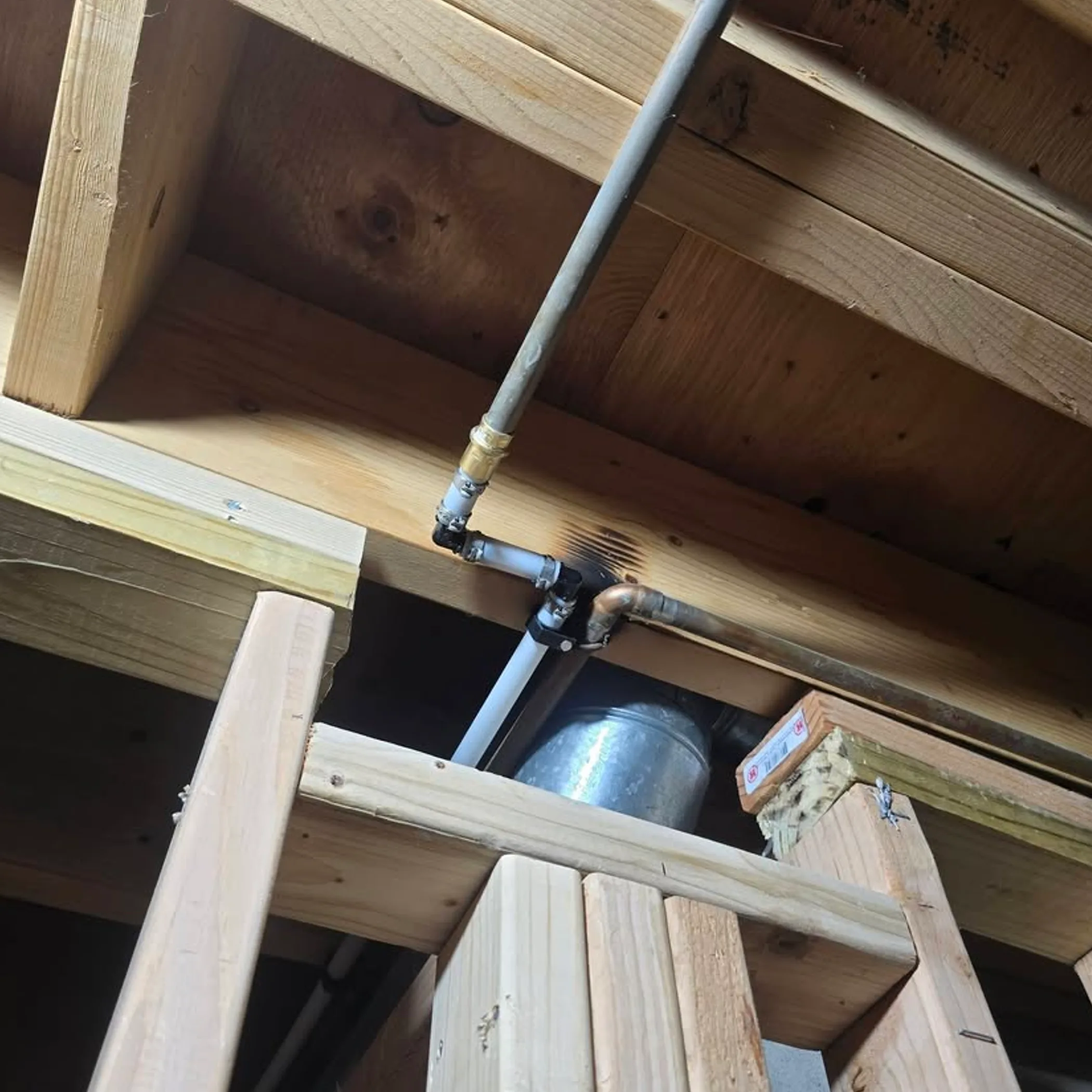
Your prevention checklist should be specific enough to find trouble yet brief enough to be of use. Slot regular inspections in with other calendar items like roof or garden work and testing the smoke alarms.
On a priority day’s visit most homeowners will want to see to the visible ceiling, the main valve, the hot water system, the washing machine, the gutters and bathroom seals. But leave major plumbing and anything with an electrical hazard to those who know what they are doing.
Take Advantage Of Local Conditions
Up north in Australia one would be checking before the wet and keeping an eye on cyclone forecasts. Down south it is a case of being ready for the winter rain and stormwater. In the bush, summer is the time for a gutter check; fire and smoke can be as damaging to the roof and plumbing as falling branches.
An effective plan to stave off leaks is unremarkable in the extreme: inspect, put it on record, make the repair and then recheck. It is not going to thwart every storm or a fitting giving way but it can make a crisis something you can manage.
Some Questions Asked
Is A Water Leak An Insurable Matter?
It can be, provided it is of an accidental and sudden nature. A slow leak due to corrosion is not the same as a burst pipe or an appliance letting water out after a storm. Varying cover means one should be checking the wording of the policy and reporting the incident without delay.
What Of Failed Waterproofing?
At times yes, though it is up to the policy and the root of the damage. You may find the cost of remedying the original defect is treated differently from the consequential damage. Poor workmanship and lack of upkeep are often limited or excluded. Get a written assessment and have evidence to hand.
What Are The Major Water Issues Facing Australia?
For homes, major risks include extreme rainfall, stormwater overflow, flooding, roof leaks, ageing plumbing, burst pipes, blocked gutters, leaking appliances, drought-related water restrictions and poor drainage. The exact risk depends on location, building age, soil, climate and local infrastructure.
Water Pressure In An Australian House?
300 to 500 kPa is what many will have. If the plumbing is old and you are finding hoses give out or the taps have a habit of hammering, a licensed plumber should measure the pressure; excessive levels put undue strain on fittings.
Flexi-Hoses?
Every three months at a minimum. And any time you are renovating a kitchen or moving an appliance. Rust, bulges or dampness are signs to replace the hose forthwith. For older ones a plumber can advise on age-related replacement.
Make Prevention Part Of Home Life
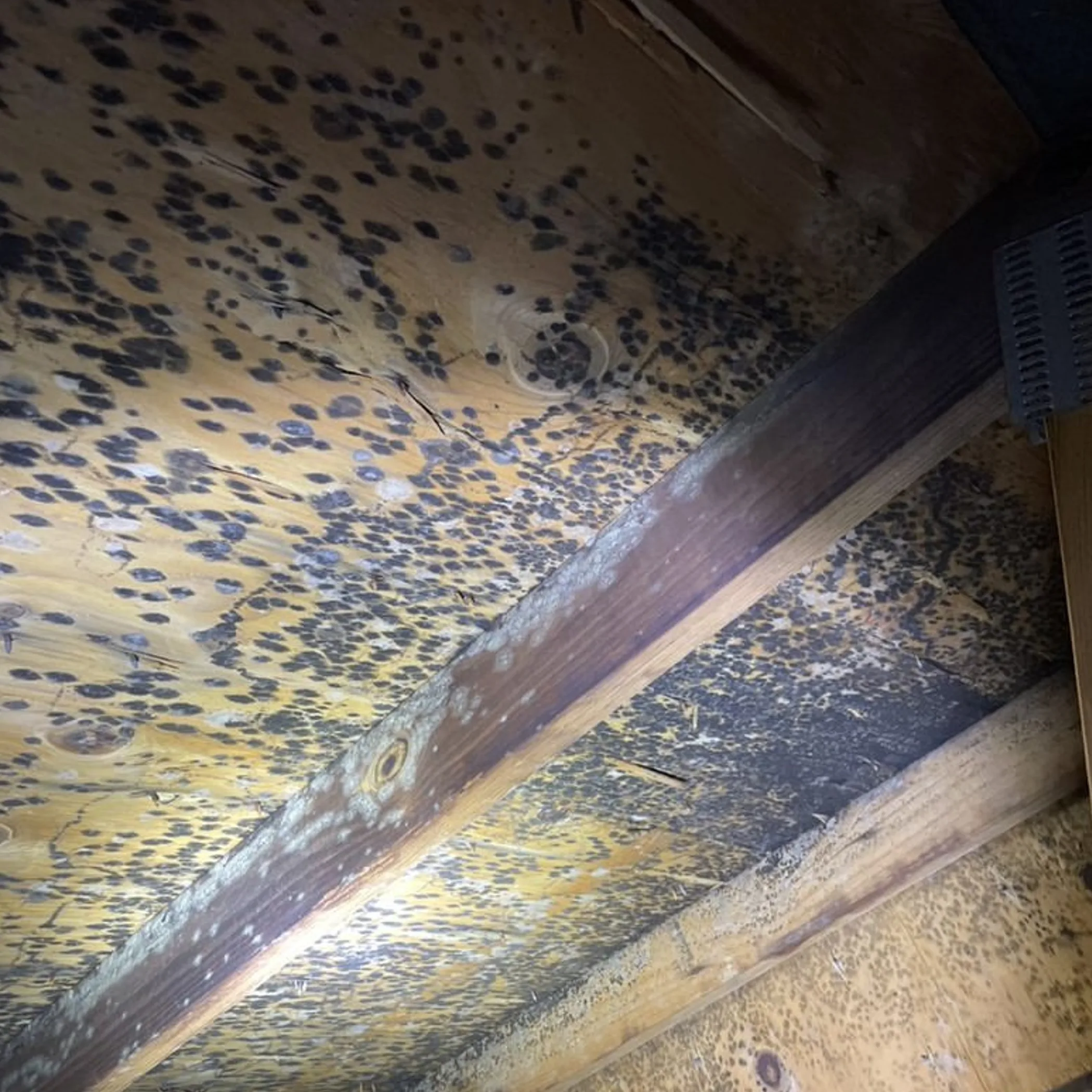
Australia’s weather is as rough as guts and yet there is no need for household preparation to be made complicated. Do the less glamorous things: clear the gutters, be aware of the main valve, check the hoses and deal with small matters before they amount to structural damage.
A torch and a bit of curiosity over a stain can spare you money and a lot of mucking about down the track.
