A Gear List for Central Australia
Any packing list for a hike in Central Australia has to put water, sun protection, emergency communication and navigation at the top. In the Red Centre things may seem as flat and untroubled as you like, but then there is the cold or the heat, a rough track, long miles to the next service and a pleasant walk can become something more of an undertaking.
Frederick Ashbury’s guide here is intended for the Australian traveller making day walks or multi-day forays in Central Australia be it the Larapinta Trail, the West MacDonnell Ranges or in the vicinity of Uluru. One should pack with remote outback conditions in mind and see what the access information is like. For outback trek suggestions, consider the available itineraries. A light pack has its merits if you have not left behind the items that are vital to your survival; the mozzies will not be sympathetic to your minimalism.
At A Glance: What Is Essential
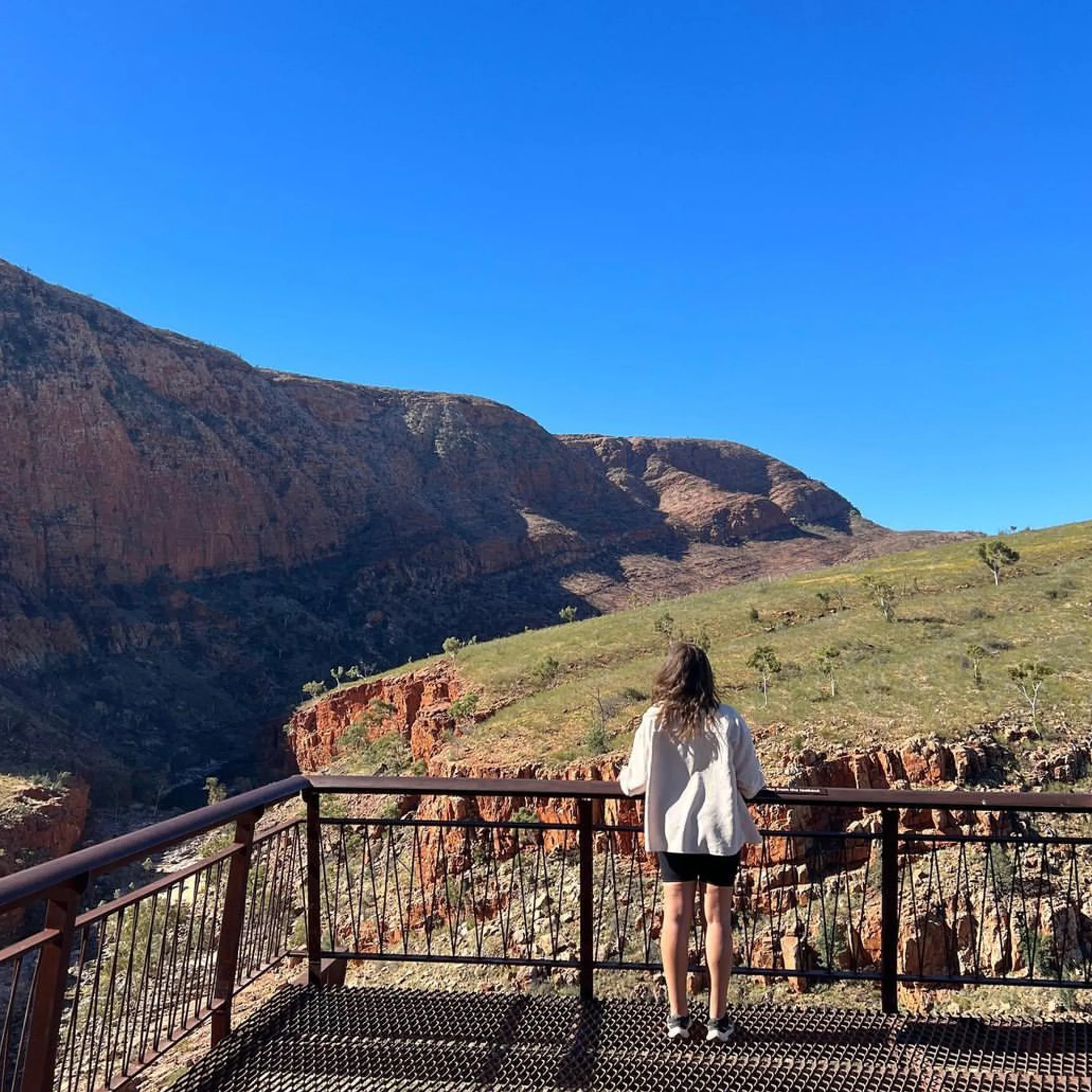
Keep the gear list uncomplicated. You want to be comfortable no matter how the temperature shifts, have a means of calling for help and be shielded from the sun. The season, your route and distance will dictate what you take, as will the availability of a support vehicle and whether you are tenting or at a camp that is already established.
Consider this a good place to begin your checklist for hiking gear in Australia. Do not let these figures stand in for a weather forecast, park alert or sound advice for the particular route.
| Item | Practical starting point | The reason for it |
|---|---|---|
| Water | 3 litres per person minimum a day, more for any delays or heat | Hydration is the prime safety concern |
| Day pack | 25L or so when you are away from the car all day | To stow food, water, your layers and anything for an emergency |
| Sun protection | A hat with a wide brim, covered up with the right clothes, sunscreen and sunglasses | Prevents glare and heat stress |
| Navigation | Charged phone, GPS, compass and map | You can be at a loss on a track with rocky outcrops |
| Emergency gear | Bivvy, first aid, whistle and PLB | For when plans do not go to plan |
Make sure someone knows where you are going, your vehicle particulars and what they are to do if you fail to check in. For any updates on closures or access, the Northern Territory Government has the details for West MacDonnell National Park.
Gear for Water and Hydration
In Central Australia you do not pack water for the sake of it, it is what the rest of your plan is built around. Put down 3 litres per person for most walking plans and add to that if the track is open to the elements or there are no water points you can rely on.
Some will use a hydration bladder and I am one of them, along with a bottle or two. The bottle lets me see how much is left and the bladder for sipping. But a small leak in the latter can make a mess of things.
Allow for Heat Delays
Do not be too literal with your itinerary. An hour or two can be added to an outing by a blister, a problem with the vehicle or simply not keeping up the pace. And unless the authority says otherwise, do not put stock in a waterhole or creek. Electrolyte tablets are fine to put salts back after a good sweat but they are no substitute for water. Heed the signs of dehydration – dark urine, dizziness, nausea or confusion – and get into the shade.
Dealing with Sun and Heat
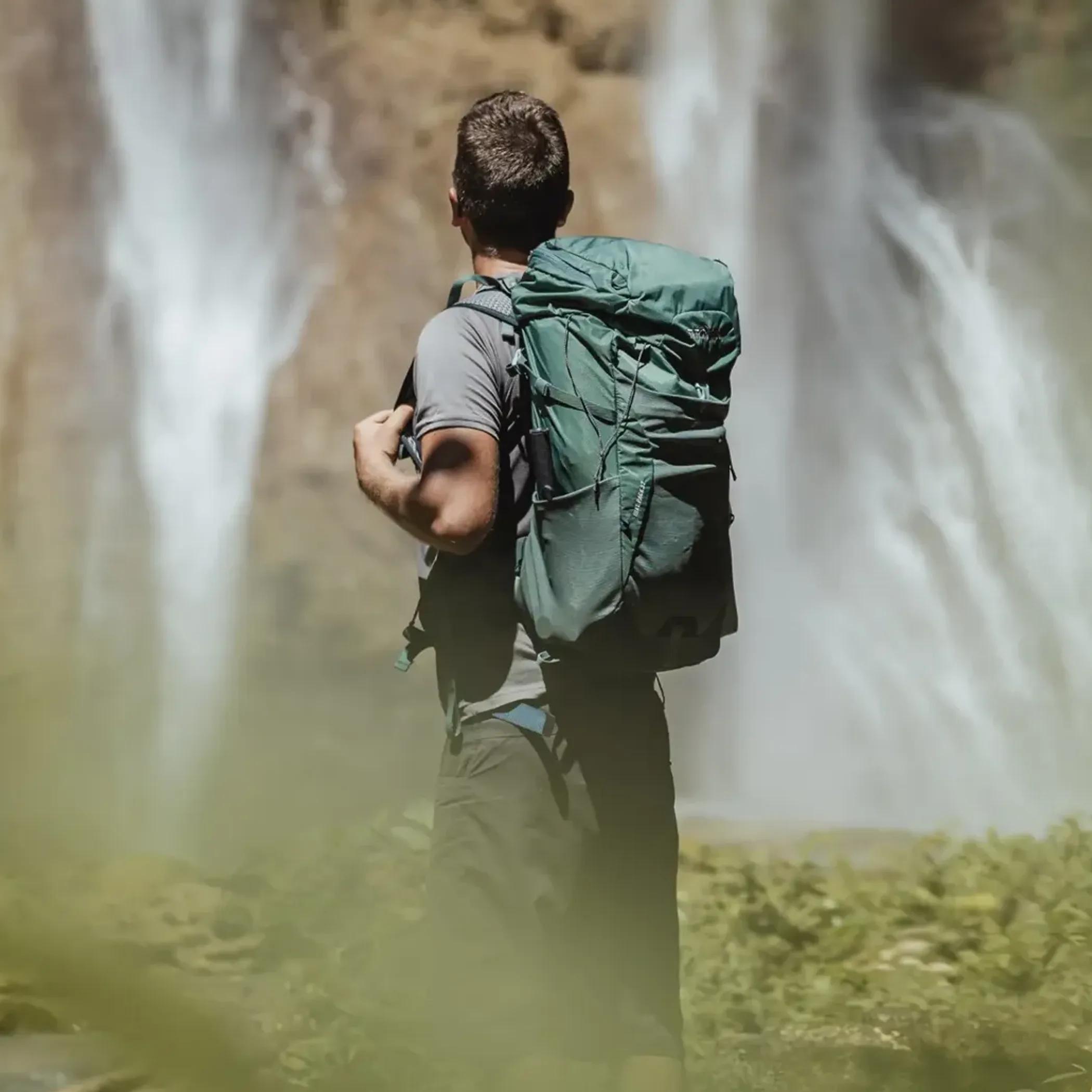
The air might be agreeable but the exposure in Central Australia is no joke. Do not relegate your sun protection to the bottom of the pack. A hat, some breathable clothing and a pair of well-fitting sunglasses are your defence. Put on a broad-spectrum sunscreen before you set off and put it on again once you have worked up a sweat, as the directions say. A shirt with long sleeves or a neck flap is worth more than slathering on sunscreen.
Managing the Hottest Hours
If the weather is very hot, do not make a virtue of sticking to a timetable. Let the loose ground and rocks slow you down. Postpone any exposed part of the walk and pay attention to local restrictions or bushfire closures. The wet season in the Top End is no joke; expect access to be altered by flooding and storms. Central Australia has its own way of making summer heat severe, and a winter morning can chill your fingers to the point where you wonder about the whole exercise. Do yourself the favour of looking at the Bureau of Meteorology’s forecast prior to departure.
Clothing And Footwear
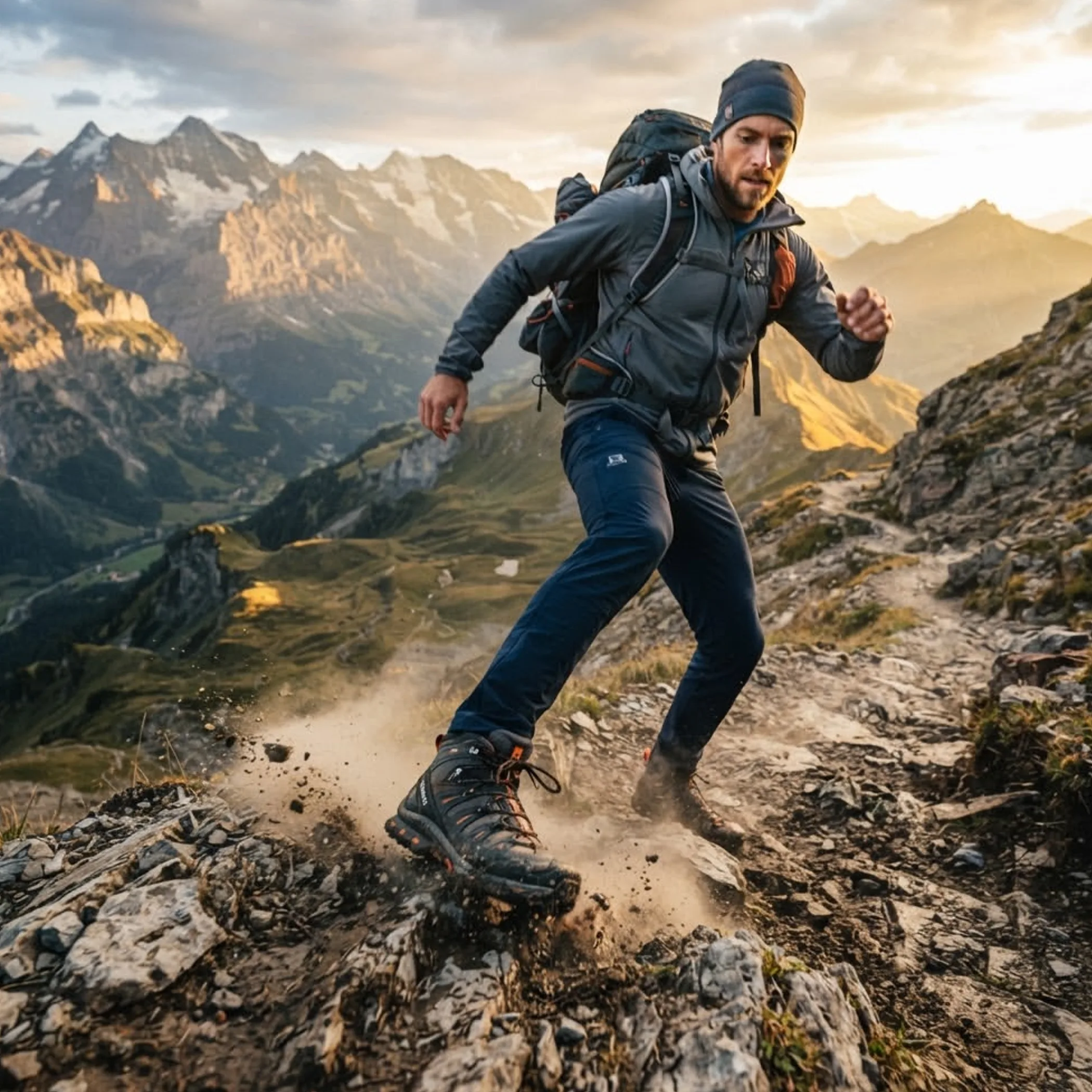
Opt for lightweight, breathable pieces that will dry in a hurry and have some coverage for your legs and shoulders. A moisture-wicking shirt, quick-dry trousers, an extra pair of socks and something warm will see you through any change in temperature. Put aside the cotton for remote or lengthy walks as it is slow to dry once it has taken on moisture.
Rough stony ground demands hiking boots with a good fit. An experienced walker may make do with trail shoes on the right track, but one should have the confidence in his ankles and choose footwear to suit the surface. Make sure to put them in before you go. There is nothing like a fresh pair of boots on a multi-day outing to introduce you to new facets of your character.
For Cold Mornings
When it is not summer, you will want some warmth. A fleece or insulated jacket, gloves and a beanie are in order for the cooler hours. A rain jacket is handy against wind and showers if you can stand the heat it generates under a hard climb. Those camping should pack a dry layer for sleeping and not mix it with their walking clothes.
Take stock of your feet and socks on any long break. Hot spots need tending to with tape or blister kit forthwith. To let a blister develop fully is a mistake most make; the track does not give credit for stoicism.
Backpack And What To Put In It
Your day pack must accommodate water, rations, navigation and emergency equipment without you having to tie half your possessions to the outside. A 25L is a good size for a full day’s walk, though the volume of what you carry ought to be dictated by the route. For an overnighter a larger pack with an adjustable harness and hip belt is called for. Put the weight close to your back and between your shoulders. See that anything liable to rattle or come adrift on the track is secured, while leaving easy access to the things you use often.
Keeping Gear Dry
Rain, condensation or an inadvertent spill will be kept from your food and sleeping gear by a good pack liner. Have waterproof bags for the phone, documents, batteries and first aid. You will thank yourself for labelling them by function when you do not have to upend the pack next to a clump of spinifex to get at the toilet paper or a warm layer.
- Water and filter/treatment as the route requires
- Snacks, food and rubbish bags
- Map, GPS, compass and mobile
- Power bank or spare battery
- Sun protection, rain jacket
- First aid, PLB, whistle and emergency bivvy
- Beanie, extra socks and warm layers
- Trowel, hand sanitiser and toilet paper
Food And Cooking
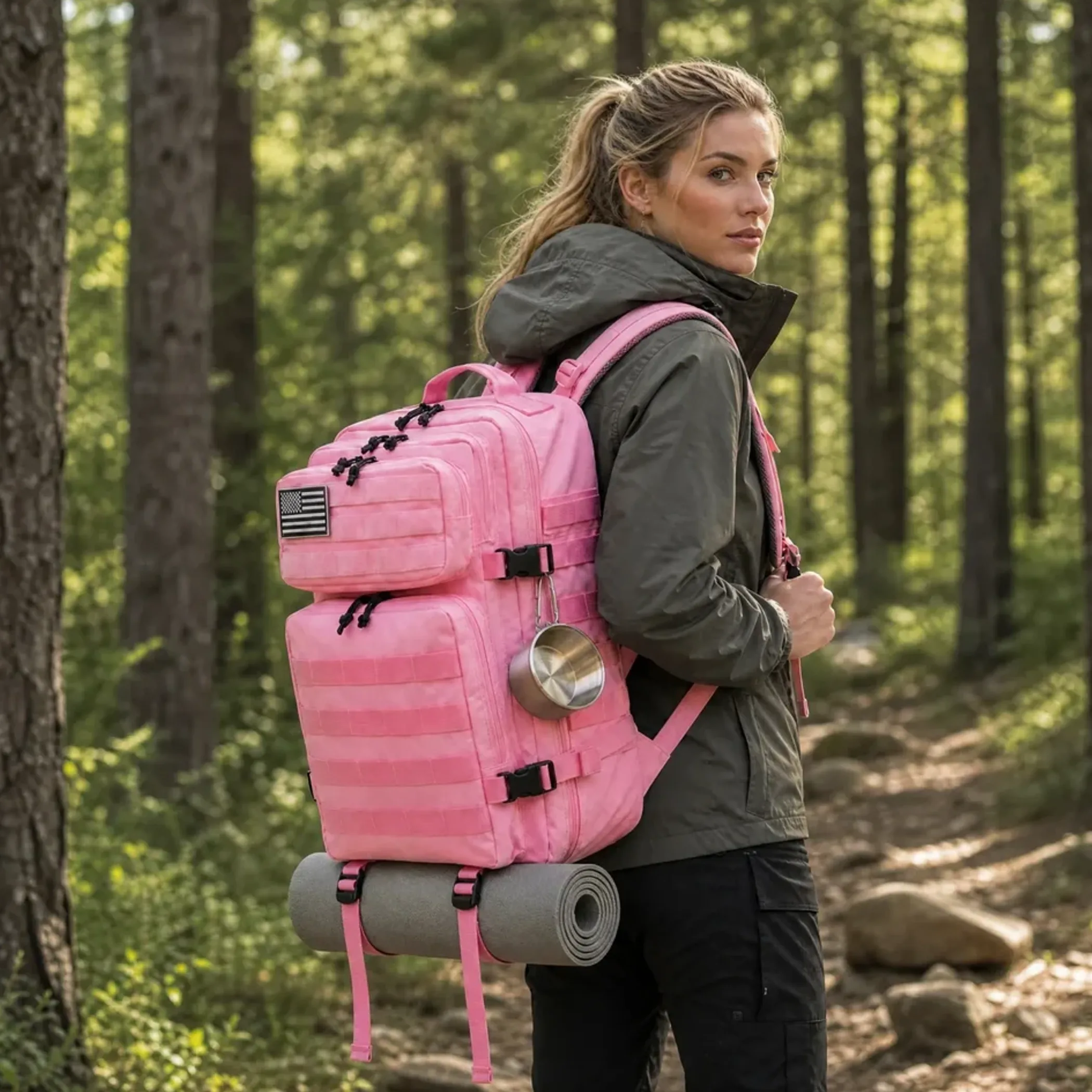
Do not put in your pack anything that will turn into a crumbly mess and yet still give you energy. Stick to what you know from a long walk, be it dehydrated meals, hard cheese, muesli bars, nuts or wraps.
An overnight trip calls for a small stove, billy or pot, mug, spoon and fuel. Before you leave, check on fire restrictions and what is permitted. Do not think a campfire is de rigour because another party had one last summer; in these parts it can be tinder-dry and rules on bushfire can alter in short order.
Have a Snack Rather Than Hold Out for Lunch
I once put aside a chocolate bar for the last hour of a long walk only to find the Central Australian sun had made of it a pocket-sized brown soup. The calories were there but the dignity was not. Keep an emergency snack one on hand.
And take all your rubbish out with you. Sealed containers are best for strong-smelling fare when you are camped. A sensible checklist for an Australian hiker will allow for delays in the number of meals.
Navigation And Emergencies
Redundancy is key. You should have a map, compass and GPS and be familiar with their use. A mobile phone is fine for weather and maps but do not count on reception in the remoter places; the battery will run down as the phone looks for a signal.
Have an extra battery or power bank to hand and shield your devices from the heat. For any remote walks one should think hard about a personal locator beacon (PLB). Make sure it is registered, is within easy reach and you know that its activation is for a real emergency. And a whistle will be heard further than a shout.
Remote Conditions
Put in an emergency bivvy, some fire-starting gear like matches or a lighter in something waterproof and a basic multi-tool. The weight is negligible when put against the prospect of being injured, separated from your party or caught out after dark.
Then there is navigation. People will often put too much stock in a downloaded route and not trouble to look at the map scale or access points or check their battery. On the way back they do not give enough credit to how alike rocky gullies can be. Put in a marker for where the vehicle is, make a note of junctions and if you are tiring, turn around; fatigue has a way of making every track seem as good as the next.
First Aid / Hygiene
Your first aid kit need only be compact but it must have provisions for blisters, sprains, grazes, bites and pain relief, as well as personal medication. Gloves, tape, antiseptic, tweezers and wound dressings are all part of that. Where applicable take prescriptions and medical details for any conditions.
Keep hygiene simple. A small trowel (where allowed), hand sanitiser, toothbrush and paste, toilet paper in a waterproof bag and menstrual products if required. But leave no food scraps, wipes or toilet paper in your wake. The bush has plenty of character without the addition of toilet-paper flags by visitors.
Respect The Track
Do not feed the animals, let them be. You will encounter mozzies, flies, ants and snakes in the outback so sensible food storage, long clothing and insect repellent are advisable. Heed any local warnings at waterholes.
As for Aboriginal land and park permissions, or an NT Parks Pass where needed, plan for these. Rules are subject to change and differ from place to place, so do not put faith in an old forum post or what some bloke at the servo may tell you, check before you go.
Day Hike Or Multi-Day
A day walk calls for the means to be away from the car for the whole day with your layers, food and water. A trip of several days will mean you have to factor in a larger water strategy, cooking and sleeping equipment, shelter and waste storage.
For a single day’s outing, pick a clearly marked walk with a sound return plan and a known point of access. In the West MacDonnell Ranges let your transport and time dictate what you do. Do not assume a short track near Uluru is easy because it looks it; observe the cultural rules and what the park says.
| Trip Type | Prioritise | What Catches People Out |
|---|---|---|
| Short day walk | Phone, map, hat, sunscreen and first aid | The error is to start late and leave the emergency stuff in the car |
| Full day | 25L pack, PLB, navigation, more water | Exposed ground and the heat slow you down |
| Overnight | Stove, fuel, sleep system and a waste kit | Poor planning on water and cold nights are the undoing of many |
| Multi-day | A resupply and repair kit and emergency comms | Some will wrongly count on having road or camp access |
Transport is a consideration. A private vehicle or shuttle is called for on most Central Australia walks and on some you will have to come back from another access point. Before you put yourself down for a one-way section, see what the road and parking situation is and confirm shuttle times and permits. Factor in the cost of accommodation, transfers and supplies in Alice Springs or elsewhere as prices are not uniform.
Some Common Questions
One sees these in planning discussions because in Central Australia casual optimism is punished and preparation is its own reward.
Water?
Start with 3 litres a head a day and put in more for the heat and distance. Do not drink from natural sources unless you have official word on its treatment and reliability.
Boots?
Not always. An experienced walker might opt for trail shoes on the right kind of track. It is a question of fit and grip, not the label.
The mobile?
Of use, but reception and battery are not to be counted on in remote country. Have a compass, GPS and map and a PLB for the more isolated routes and let someone know what you intend.
Season?
The cooler months are preferable for most in the Red Centre though there is a difference between morning and afternoon. Winter has its cold and the wet can play havoc with the roads. Summer is hazardous. Look at the forecast.
Larapinta for the uninitiated?
A fit beginner with support could do parts of it but the full trail is no place for a novice. Plan for the navigation and water management it entails. Leave the multi-day hikes for later and do not make a day walk into something it is not.
Walk Safely
Follow a packing list for a multi-day hike that is suited to the route. Take what you need in the way of food, water and protection and jettison the superfluous gadgets.
Patience is rewarded in Central Australia. Be up early, mind the weather and the rules and if the conditions are not right, make a U-turn. Let your plan be guided by what is realistic and the official advice, not some heroic schedule. You will have more time for the billy to boil in the fading light and a quiet camp.
