The first rule of any DIY drain clearing in Australia is to be sure you can do so safely and know what is in the pipe before you set about a minor blockage. Put on the right protective gear, see that the area is ventilated and do not mix your chemicals. If you have wastewater backing up, more than one drain is at fault or there is reason to think the main sewer line is involved, put the tools down and leave it.
I am Frederick Ashbury. I have done my share of household jobs and have come to have a proper respect for the drain. While a blocked sink is an easy matter to put right, a bit of chemical on my arm, a ruined pipe joint or backflow water are another thing entirely. What follows is a guide to unblocking a drain without incident, the cleaning methods that are worth your time and the point at which you should ring a licensed plumber in Australia.
Prepare Your Workspace And Wear PPE
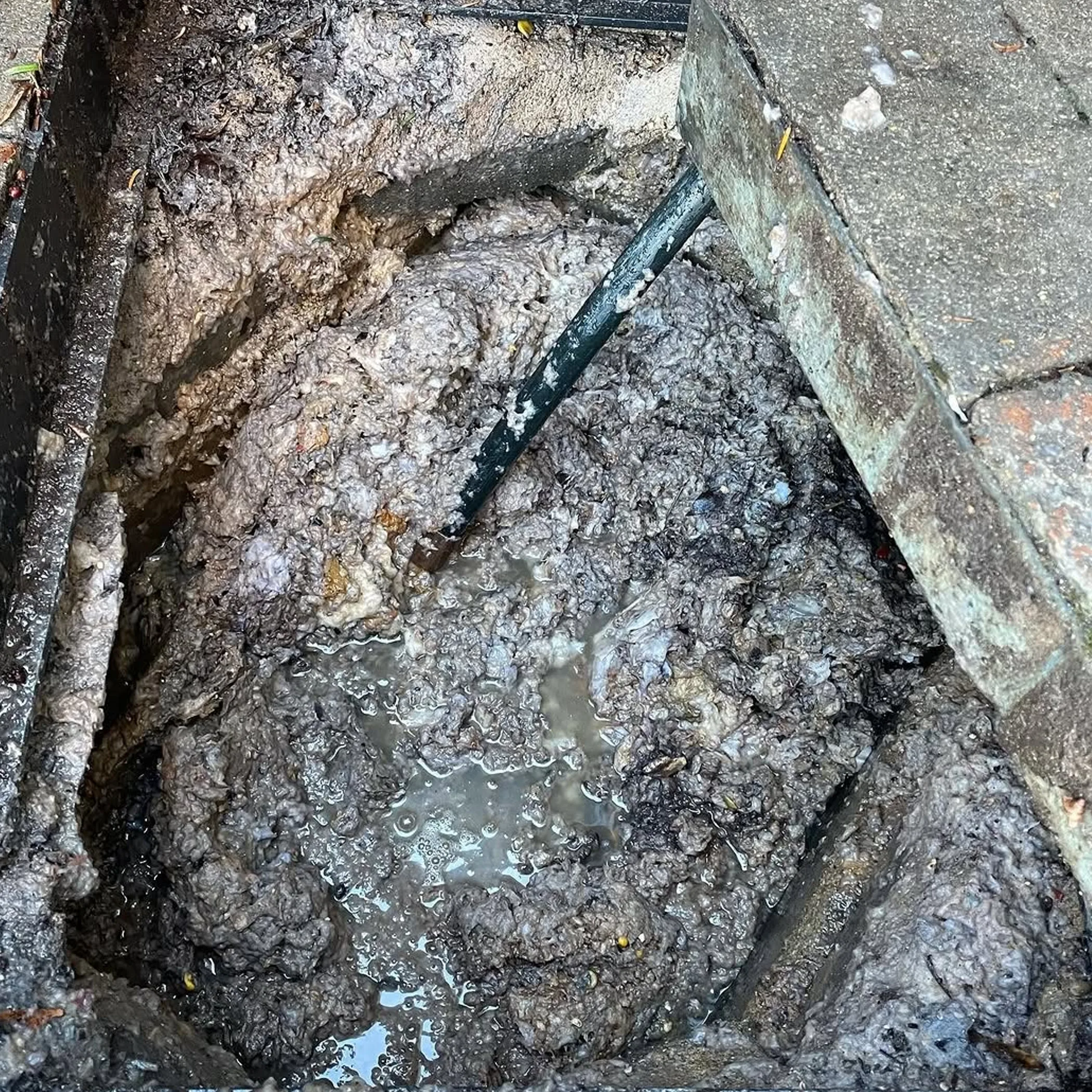
There is less likelihood of a slip or coming into contact with something harsh if you keep things tidy. See to it that the area is clear and nearby surfaces are protected before you make a move on the blockage. You want to be able to get to the tap, a phone or first-aid without wading through wastewater. For more advice, see drain clogs around Melbourne suburbs.
In a laundry or bathroom you will find children’s toys and an assortment of products in close quarters. Make the floor as dry as you can and put some distance between the work and people or pets. Should the access be awkward or the water contaminated, do not be working by yourself.
Protective Equipment
Enclosed non-slip shoes, safety glasses and rubber gloves to the wrist are a must. A face mask will cut down on mould spores or dust but is no substitute for ventilation and will not shield you from toxic fumes. If the job calls for a caustic cleaner, make sure your gloves are of the chemical-resistant type and marked as such for the product in hand.
- Wear rubber gloves, safety glasses and enclosed footwear.
- Open doors and windows to improve ventilation, but do not place your face over the drain.
- Keep bleach, ammonia and other cleaning products away from the work area.
- Wash your hands and clean tools after the job.
Some will put on ordinary fabric gloves for this sort of work; do not. They take in liquid and hold it to the skin. Check the label to start with and change out of any clothes that have been splashed without delay. After you are finished, give your hands and tools a good wash. Keep bleach and ammonia well clear of where you are working.
Check The Drain First
Is the problem in the toilet, a floor waste, outdoor gully, shower or sink? You may spot backflow, a sewage odour or bubbling in adjacent fixtures. An occasional slow basin is a candidate for a careful DIY go at it. But if you have an overflowing gully or several drains blocked, that is indicative of a bigger issue. Photograph the scene prior to taking anything apart, a licensed plumber will appreciate being shown what has changed.
Chemical Cleaners Are To Be Used With Care
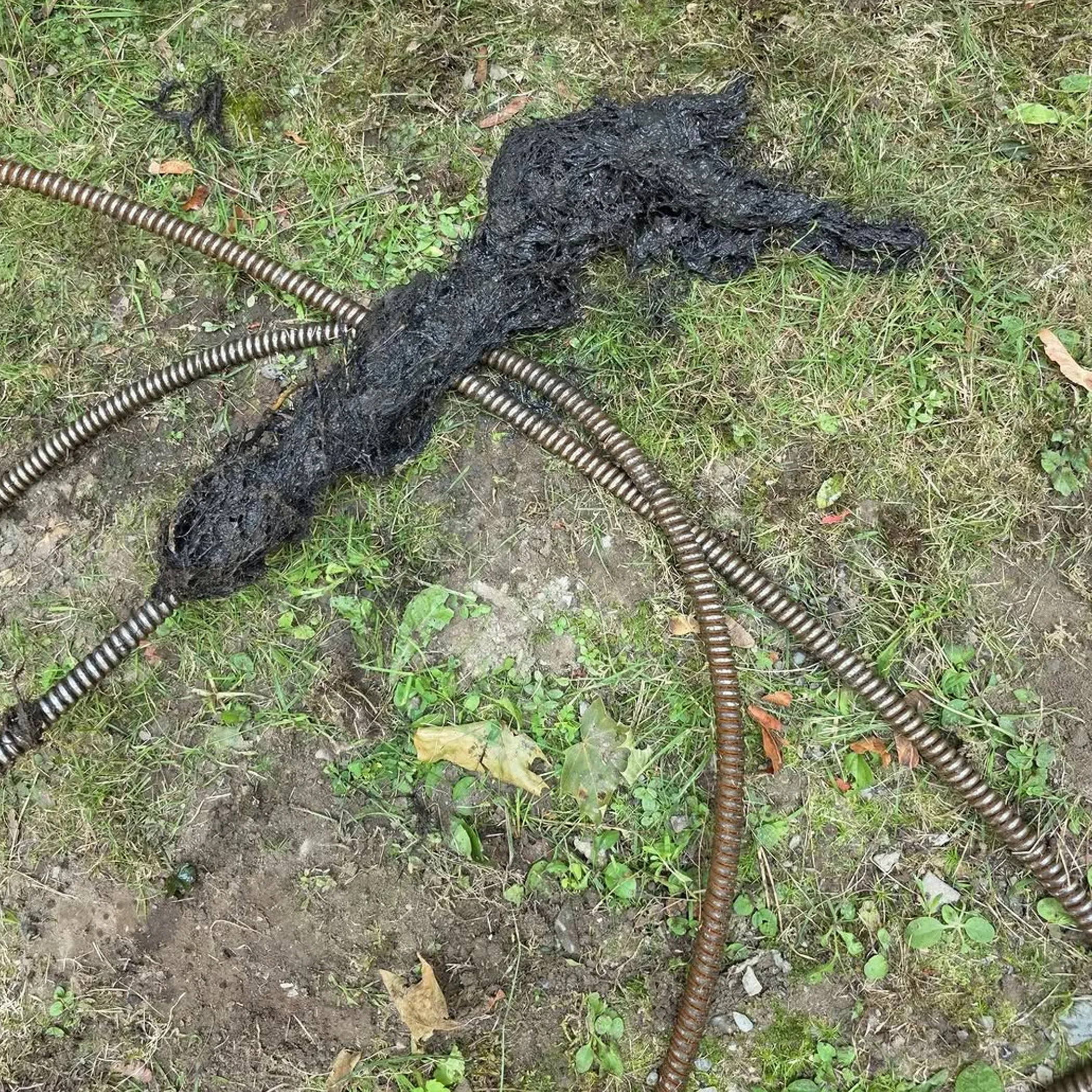
It is all about keeping your skin and the pipe free of chemical reactions. A caustic cleaner can leave its mark on materials and in the pipe long after the water has gone.
One does not need a chemistry set in the drain, however much one might feel like it late at night. Different products on the shelf can seem innocuous enough to be mixed, but they are not. Never put a drain cleaner in with vinegar, disinfectant, ammonia or bleach.
What The Label Says
Heed the instructions on quantity, disposal and how long to let it sit. Do not think that because the initial dose was ineffective you should pour in more; you will only make for a more hazardous pipe and a worse splash.
Stick to a product that will not harm the fixture or pipework. Heat and chemicals can be hard on older plumbing, rubber seals and certain PVC. When in doubt as to compatibility, use a mechanical approach or put in a call to a plumber.
Do Not Put Products Together
Combine bleach with ammonia and you have fumes to worry about; other concoctions will give off gas or corrosive liquid. If a product has been used, do not add to it under the assumption that a quick flush of water has made the drain safe.
Have the original container to hand so you are aware of what has been applied. Leftovers should be put away upright and out of reach of food, pets and children.
Opt for Safer Approaches to Minor Blockages
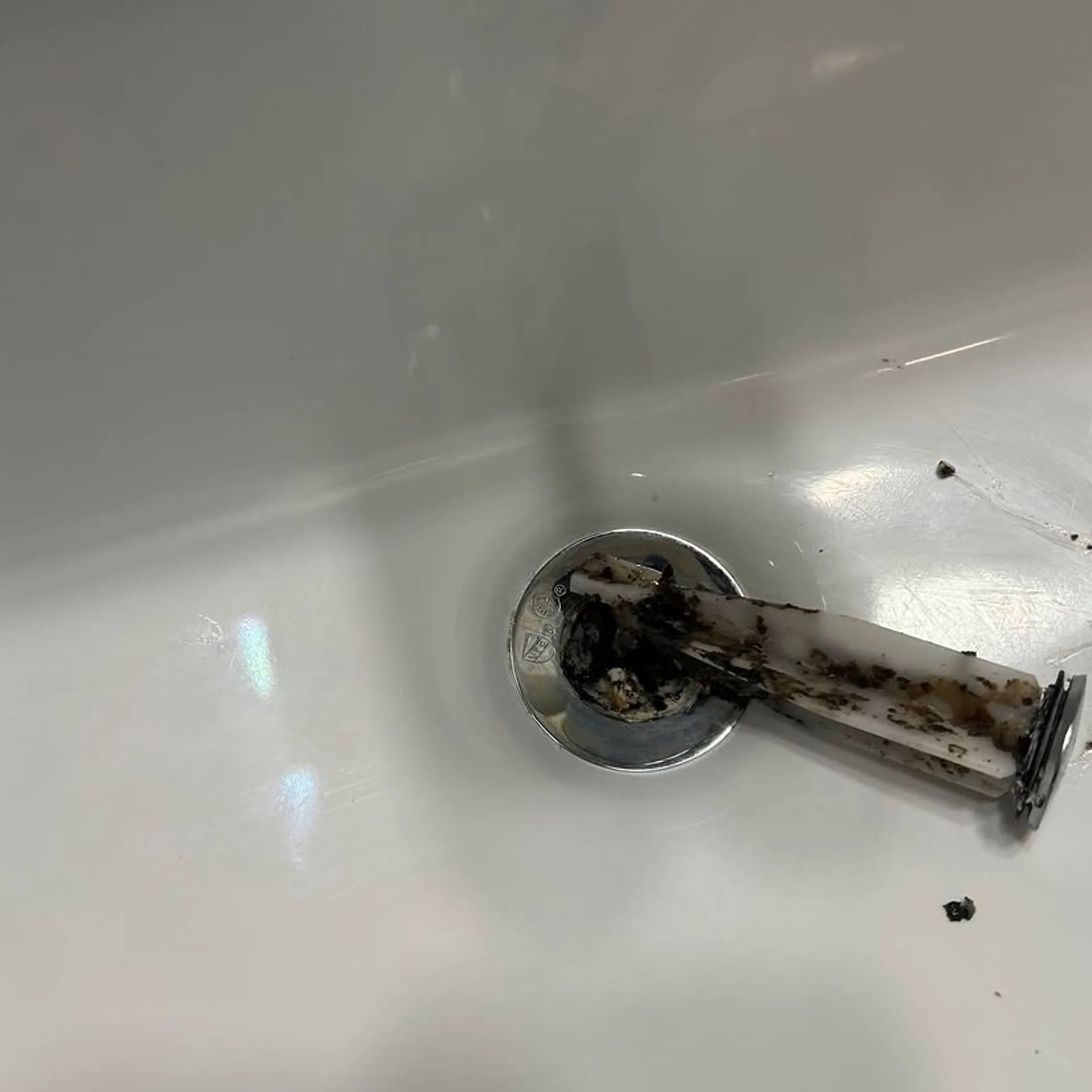
Where a blockage is small and local, one will generally find mechanical means more manageable than resorting to chemicals. A plunger is well suited to moving a soft obstruction; a drain snake can get at hair or other matter in the vicinity of the opening.
Proceed with some care and see how it goes. Should the water level put on a rapid rise, desist. You do not want to be making forceful pushes that could dislodge a pipe joint, drive the blockage deeper or put contaminated water in your face.
The Proper Use of Water
It is common to be told to use boiling water on greasy kitchen residue, yet that is not without risk in every installation. In older plumbing or where support is lacking, the heat from very hot water can stress or soften PVC pipes and their seals and joints.
Unless the manufacturer of the fixture and plumbing says otherwise, make do with warm water. Pour it in a controlled fashion, no splashing, and under no circumstances mix with a chemical cleaner. Any chemical left in the sink and you run the risk of vapour and splash if you introduce hot water.
Put Some Effort into Cleaning What You Can
If there is no chance of coming into contact with unclean water, take off the strainer, hair catcher or plughole cover and have at it. A paper towel or disposable cloth will do for the soap and hair; bin the waste instead of sending it down the pipe.
Do not go about dismantling a trap after applying a chemical cleaner; opening the connection could result in a spill of the residual liquid. But if the trap is within reach and free of chemicals, put a bucket in position, be careful with the fittings and reseal the pipe, taking care not to overtighten.
Be Wary of Plungers and Snakes
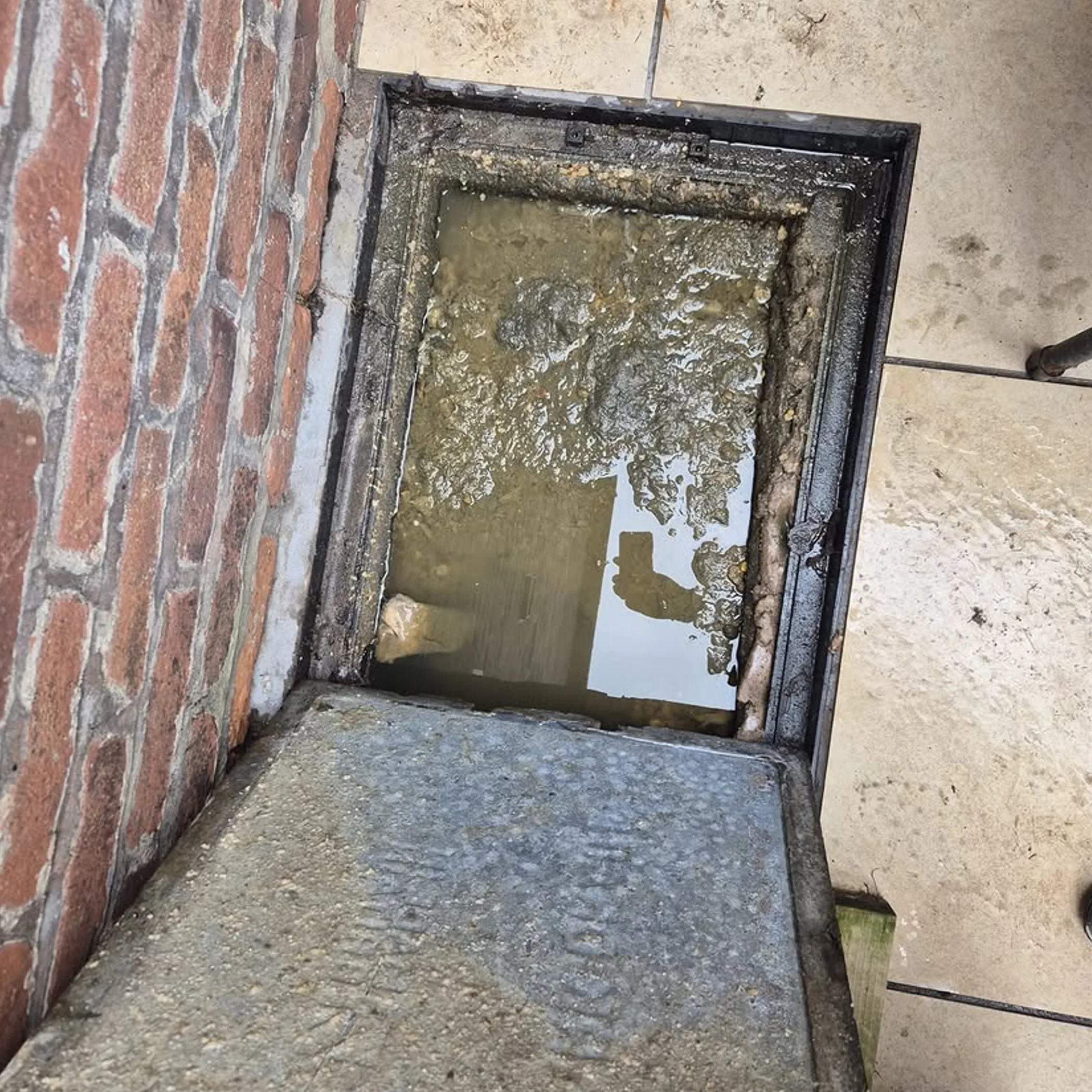
To get the pressure from a plunger you need a good seal and to govern its movement. If it can be done safely, clear any standing water and put a cap on overflow openings so the pressure is directed at the blockage.
Keep your strokes even. A cracked or loose fixture, or one tied to fragile pipework, is cause to stop. Uncontrolled pressure is a liability when the plumbing is on the way out.
Operate A Drain Snake Carefully
With a drain snake, only go as far as you can manage. Rotate and feed it in slowly, and pull back if you meet hard resistance. Forcing the cable past a suspected obstruction or a sharp bend is not advisable.
Safety glasses are in order in case the cable should fling debris or dirty water. Once done, disinfect and clean the tool and give your hands a good wash. The snake halting at the same spot time and again would point to something structural.
Avoid Backflow
There are mould spores, bacteria and cleaning residues in backflow water. Cover any cuts, keep your face from the opening and do not touch your eyes or mouth. Wash reusable cloths on their own and throw away anything that has been contaminated.
After a chemical drain cleaner has been used, a plunger is out of the question unless the label gives leave and you are certain the chemical is gone. The fine spray of corrosive liquid it can put up makes for an afternoon you will remember, and for poor reasons.
When to Leave It to the Professionals
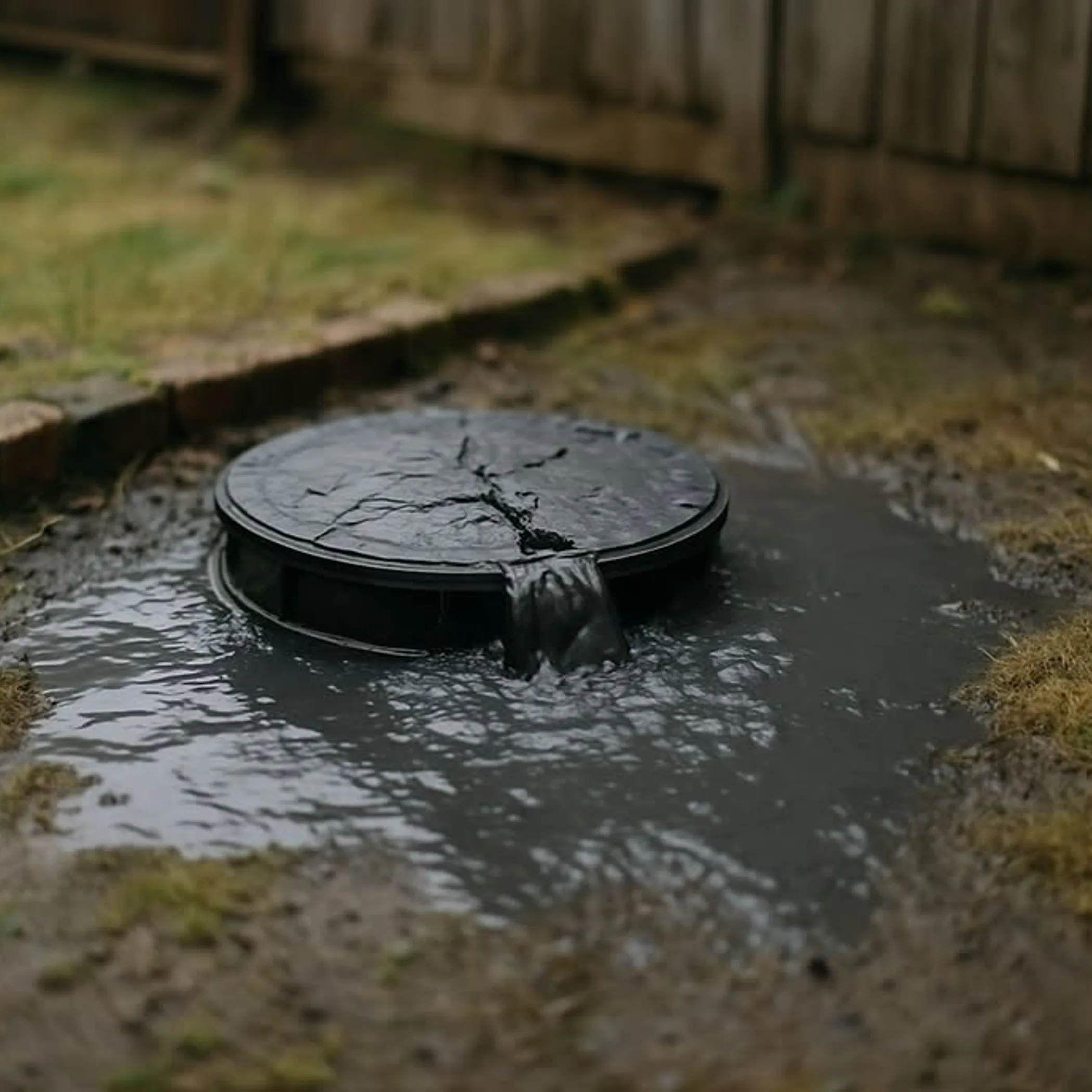
Not every blocked drain is a job for the homeowner. A problem with the main sewer line or a recurring clog calls for a professional to have a look at rather than more guesswork.
A licensed plumber should be contacted if you have an outdoor gully overflowing, wastewater in the house, the toilet goes up when another tap is on or the blockage is in more than one fixture. These are tell tale signs of a collapsed pipe, tree roots or some other impediment in your private plumbing.
Recognise High-Risk Situations
There are also high-risk scenarios. Do not attempt work on a drain in confined spaces, near floodwater or exposed electrics or where the flooring is unsound. Put a halt to it if you detect gas or cannot put a name to the chemical in the pipe.
In Australia state and territory rules may come into play for plumbing work, and anything to do with the sewer or drinking water system is for a licensed hand. When in doubt, check with a licensed plumber or your state authority first.
| Situation | Safer response | Why it matters |
|---|---|---|
| One basin running slow, no chemicals involved | A plunger or some gentle cleaning will suffice | Likely an accessible and localised obstruction |
| Multiple fixtures are blocked | Put an end to DIY and put in a call to a licensed plumber | Could be the shared pipe or main sewer line |
| An outdoor gully overflows | Have a professional attend to it and keep pets and people at bay | Contamination in the wastewater |
| Chemical cleaner is in the drain | Hands off the plunger and do not open the trap | You could be looking at toxic fumes or burns from what is left behind |
| Recurring blockage or pipe damage | A licensed inspection is in order | Persistent symptoms can be a sign of something structural |
Those in Australia looking to clear a blocked drain will find the sensible approach is uniform from state to state: have an idea of what household maintenance entails. Take the Melbourne suburbs, where an individual hunting down a clog might fixate on the sink when in fact the obstruction is some distance off on a shared line.
Responding to chemical exposure
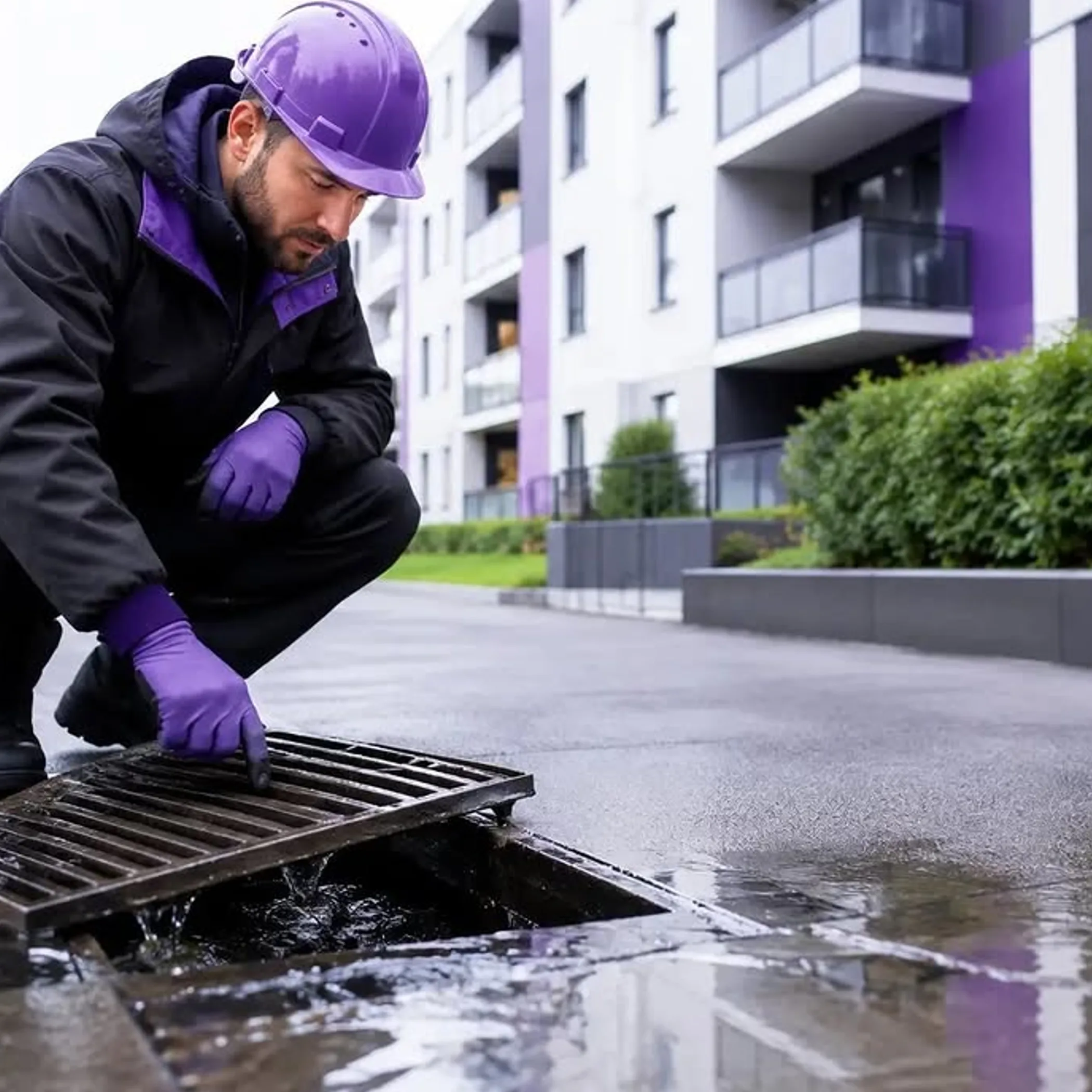
Any contact with drain cleaner and skin or eyes demands prompt action. Get clear of it, put the soiled clothes aside and wash the area under running water. There is no point in trying to counteract the chemical with another product.
With the eyes, keep them rinsed with clean water and get medical attention in a hurry. Do not be lulled by pain you can put up with; certain chemical injuries will do more harm after the initial minutes.
Poison advice
The number for the Australian Poisons Information Centre is 13 11 26. Have the container or label to hand and be ready to give the name of the product, how much was involved, the person’s symptoms and the manner of exposure. Healthdirect has the official word on how to handle an urgent exposure.
In the event of collapse, trouble breathing, loss of consciousness or anything else serious, make an immediate call to emergency services. Under no circumstances induce vomiting unless a health professional says to, nor should food or drink be given to anyone who is drowsy or has difficulty swallowing.
FAQ: Safer ways to clear drains
We put these answers to the questions that tend to trip people up. Should sewage or an unknown chemical be part of the equation, leave it to the professionals.
What in the way of safety equipment?
Rubber gloves, a pair of safety glasses and non-slip enclosed footwear are sufficient for a minor job. Put on chemical-resistant gloves for caustic cleaner and see to ventilation. A face mask will keep dust and mould spores at bay but will not render toxic fumes harmless.
Is mixing of products permissible?
Not at all. You must not mix one type of drain cleaner with another, or with vinegar, bleach, ammonia and the like. The reaction can be corrosive or give off heat and fumes. If you have already put a product to use, check the label before you add to it.
Can I plunge after using a chemical?
As a rule, no. It is a recipe for splashing what is left of the chemical about your face and eyes. In any doubt as to whether the chemical is gone, read the label and ask a pro.
Boiling water and PVC pipes
Freshly boiled water can be hard on the seals, joints and the PVC itself of an older system, softening or putting stress on them. Stick to warm water unless the manufacturer says otherwise and never introduce boiling water to a drain with cleaner in it.
When to put in a call to a licensed plumber
If there is a backup of wastewater, an outdoor gully has overflowed, you have damaged pipework or the problem is likely the main sewer line, then call. The same applies if several drains are out or the blockage is a habit of returning. Professional help is wiser still once chemicals have been brought in.
What Number Should I Call In Australia For Accidental Drain Cleaner Exposure?
For accidental exposure, 13 11 26 is the number to dial in Australia. In a life-threatening situation also ring emergency services and do not make someone vomit without professional instruction.
Know your limits
There is a way to do a DIY job safely, provided the blockage is minor and you are well aware of what you are dealing with. Ventilate, shield your skin and eyes and do not combine chemicals. But the objective is a clear drain and nothing more, certainly not chemical burns or a bathroom floor awash with contaminated water. When it turns into a matter of guts, let the licensed plumber have the work and his fee.
