
There is nothing complicated about the safety essentials you need for an Australian outback hike, yet they are non-negotiable. You will want a dependable emergency beacon and good navigation; make sure you have told someone your plans and know the route by heart; and put more water in your pack than seems necessary. In the outback a short distance can become serious in a hurry. The heat, rough tracks and lack of reception are not going to be lenient on account of your fitness or the price tag on your boots.
Frederick Ashbury here. My experience of the region has taught me that the bush is all about preparation, it does not forgive those who wing it. It is a fine place but in the unromantic sense also as hard as you like: no shade, no signal, no tap and don’t expect anyone to come along with a spare bottle because yours gave out two kilometres back.
The Case for Outback Safety
This is not a walk in the hills near a bakery and a decent dunny or some coastal ramble. Distances are greater and you won’t get help in a hurry. Assessing the hike’s challenges is crucial because what looks easy enough on paper is a different matter when you are faced with soft ground, rocky gullies and the heat.
Put simply, your safety in the outback is something you should be thinking about at the kitchen table with a healthy scepticism of any optimistic figures, well before you have your boots laced up.
Do Your Homework on the Track
Most trouble could be avoided if one would take the time to see what the walk entails before packing a billy and putting red dirt horizons in mind. People will look at the distance, disregard the terrain and think a straight line on the map translates to flat underfoot. They are wrong.
It is better to size up the challenges of a hike at home than when you are halfway through the day with half your water and the sun on you. I would say that is more important than having the latest gear.
Common Pitfalls
Timing, exposure and a bit of false confidence are the usual offenders. Twelve kilometres in the Red Centre is not 12k in the suburbs. Between the rock hopping, creek crossings, spinifex and stone hot enough to reflect the sun, you will be slowed down by steep escarpments and soft sand.
Take a sign that says four hours return as a rule of thumb for a steady walker in good conditions with his water. Then add on for the odd rest or photo and the fact that hot weather puts everyone in a slower mood.
For Whom?
Marked day tracks in a managed park are well within the reach of a beginner who is prepared. But remote gorge walks, unmarked territory or a multi-day section with vehicle support are not for novices.
Make a day of it and go for a track with clear access and parking where there is a ranger on hand. Unless you have the skills and a plan to match, leave the isolated side trips in the Pilbara or off the Stuart Highway alone.
Water
The one thing most people get wrong is water and it can undo everything else. “I was expecting a tap” is of little consolation in inland Australia when resupply is not to be found and you are hours from assistance.
If you do a search on outback hiking water requirements you will be looking for a single figure. There isn’t one really; body size, shade and pace all come into it. Under-carrying is a blunder though.
Your Allowance
For a day’s walking in the heat of the interior, 4 to 5 litres a head is a reasonable minimum, more so if the route is long or exposed and temperatures are up. On a cooler, shorter outing you might use less but err on the side of caution. Don’t make of it a casual afterthought, it is a safety system. Use more than one container to ensure a leaky bladder doesn’t spoil things. Sweat a lot and put some electrolytes in, yet do not make the mistake of thinking a sports drink is a substitute for real volume. For extended trips, plan for 6 to 10 litres daily per person as advised by regional outback water guidelines.
Resupply is seldom an option
Natural water should not be depended on unless you have ascertained it is there and fit for use. What passes for a creek on a map may well be dry or hard to get to, or just stagnant. Should your route over several days call for treatment, take along a good filter or purification tablets, though they are of no use if there is no water to begin with.
You will find access at trailheads can be more of an undertaking than one would think. The road to the car park might be unsealed and add to your time, and after rain it could be closed. In the Top End and northern WA come the wet season and things have a way of turning quickly.
Leave the phone behind for navigation
They are fine until they are not. Between wrong turns and dead batteries or a lack of signal, problems with a phone are par for the course. Out in the outback you need more than a single gadget to navigate.
Old school with a modern back up is the way to go: a compass and navigation map, a GPS track that has been downloaded and for remote country an emergency comms device. It is the sort of combination that will see you through any bad luck or failure.
Have tools in reserve
A paper topographic map is essential and you should be able to work a compass. Your phone’s GPS app is all very well but put it in flight mode to save the battery and have a power bank at hand. Make a note of where you are putting in and out and any important junctions before you go.
On a remote walk a Personal Locator Beacon PLB or Garmin InReach satellite communicator is worth every bit of its weight in roast potatoes. A PLB is robust and straightforward when matters are life and death. With an InReach you can put out your co-ordinates and a message by satellite, handy if plans are altered and you do not want to make a rescue of it.
Beacons and such
Walkers are better off with a PLB for an emergency beacon; an EPIRB is more the province of the sea and certain vehicles. If you have an EPIRB for something else, see if it is registered and suitable for what you are doing. Most will tell you a beacon for bushwalking is a PLB.
Before you head out, the Bureau of Meteorology will have the word on heat and any severe weather. In these parts of Australia a change in the forecast or a storm can make a walk ill advised.
Put together a first aid kit that means something
It does not have to be large for the outback, only pertinent. Leave the small novelty affair with a couple of Band-Aids and a wretched wipe in the desk drawer. First aid out here is to put a problem right so you can make it back safely or until assistance comes. You must be able to deal with envenomation risk, sprains, blisters and the like without any pretence of being a bush hospital.
Snake bite and trauma
One can be led astray by the array of products for sale with a quick search for a snake bite kit australia, but it is a matter of pressure immobilisation using broad compression bandages and not letting the person move. Do not cut or wash the bite, let alone put the patient to the march back to the car, you will only hasten the venom.
For your kit on a remote walk have some wound dressings, pain relief of a kind you are used to, antihistamines and blister care. On the odd higher risk route a tourniquet from a trauma kit may be carried, but training is of more import than the number of gadgets.
Chemist Warehouse and the likes of Anaconda will have what is practical enough, but do not be haphazard about it. Put together a kit for the length of the trip and the risks involved, not with odds and ends you will not be using.
Heat and exposure
There is nothing to it in inland Australia sometimes, a pale open track and a hot breeze that seems inoffensive until you have ceased to perspire and realise how dangerous it is. Sun and heat are the great safety concerns in the outback because they insinuate themselves and compound. Dehydration and heatstroke can come on fast if one has made light of it and thought a cap was plan enough.
Clothing should be of the lightweight variety and cover the skin, with long sleeves and sunglasses. Wear a broad brim and SPF 50+ protection. Get the sunscreen on before you are as pink as a prawn and reapply when you are working up a sweat.
Get an early start. The morning is the time to be on foot in much of the country for your own safety, in summer particularly. In WA and the Top End you will find a moderate walk can become a trial with the conditions that build up in the wet season. Postpone it if you have to; in the southern inland there are times when the heat or a bushfire closure leaves no sensible alternative.
Be aware of Heat Illness
Headache, dizziness, cramps, nausea, confusion and a drop in sweating are all signs. Do not take them as an invitation to “push on gently”. They mean stop and put yourself in the shade, cool off with some water and a damp cloth, and make sure it is safe to go any further.
Have Survival Backups in Your Pack
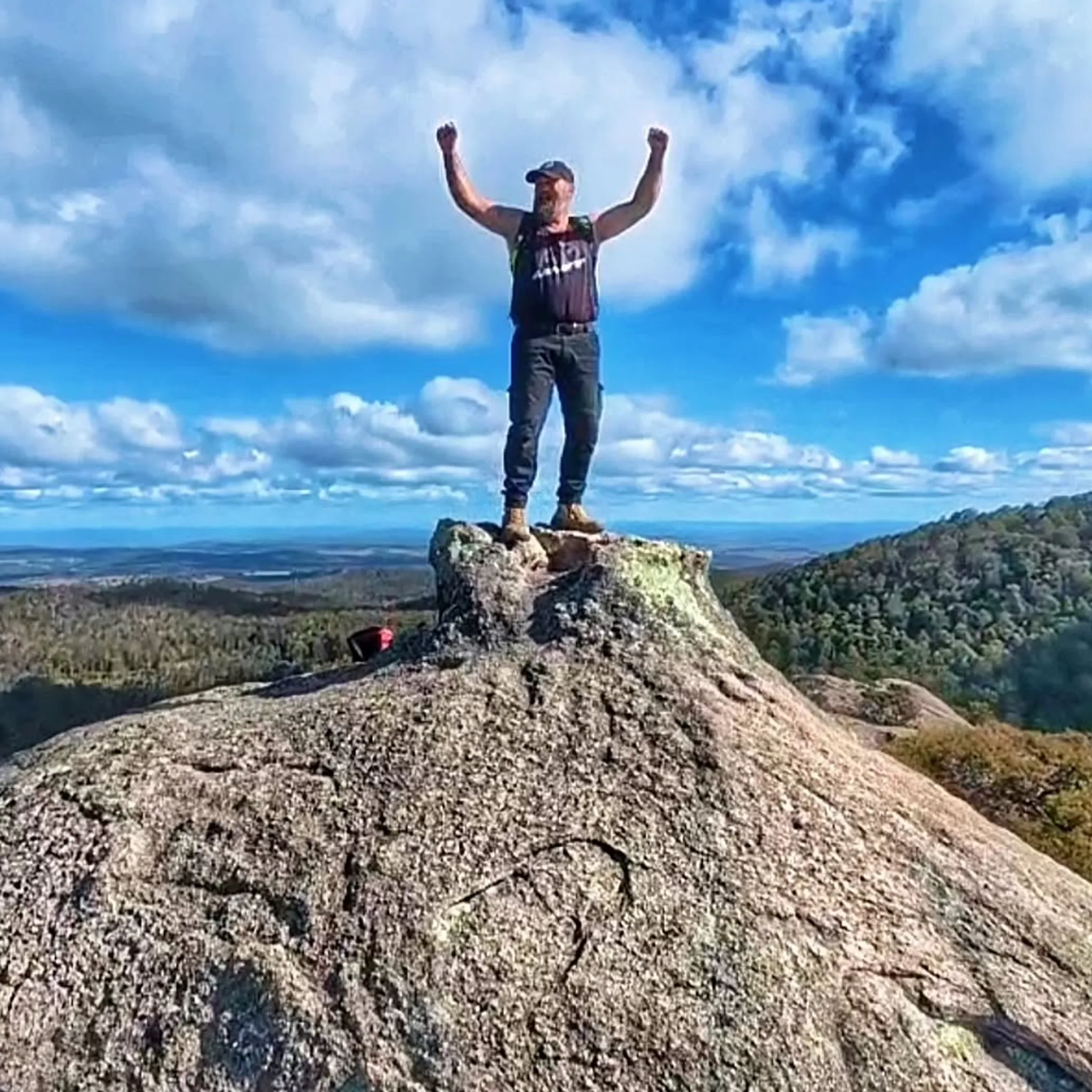
The odd bit of gear you would rather not have to use is what provides a margin of safety should a day walk run over schedule. It is the difference between a serious emergency and something you can wait out.
Outback hikers will often pare down their packs to save weight on this score. But come late in the day when the light is failing, the headlamp one might have deemed superfluous is very welcome.
Small Gear, Big Difference
It is not being dramatic to include an emergency shelter or bivvy, a headlamp with spares, a whistle, knife or multitool, some food, a lighter or waterproof matches and a way to charge your devices. A sensible thing to do even on a short walk.
One should also mind the leave no trace ethic in the outback. Keep to formed tracks, do not encroach on culturally important places or delicate desert terrain. For the next person to come through the gorge, it is better they do not have to put up with your discarded muesli bar wrapper.
A Proper Plan For The Day
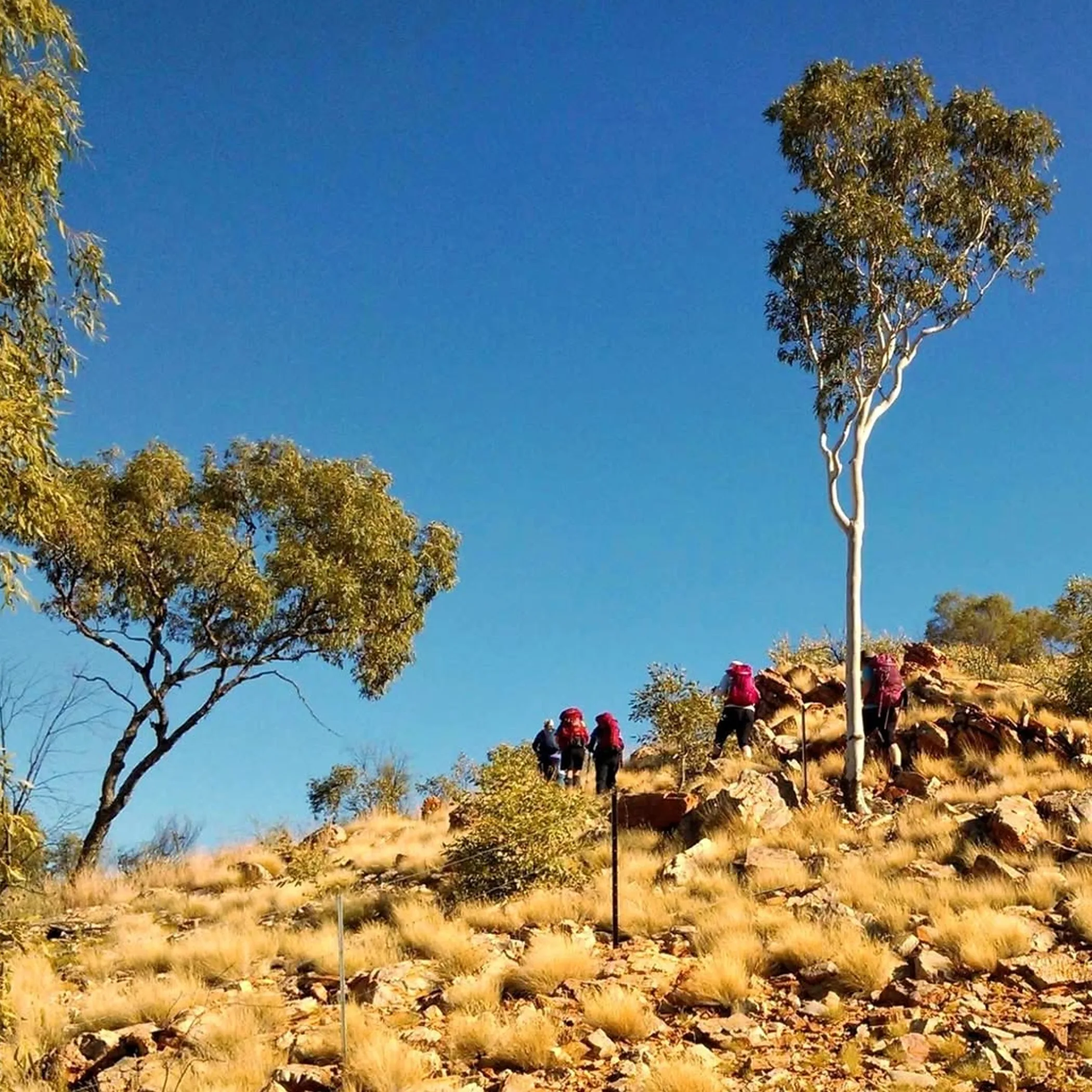
There is nothing exciting about good planning until it comes to your rescue. Any outback safety checklist worth its salt has route and access notes, weather and road information, timing and a fallback in case things seem amiss. As Frederick Ashbury would have it, a plan is too thin if it is predicated on everything running smoothly. Allow for a slower pace, a road train holding you up on the drive in, dodgy parking and closed roads.
Permits, Access And Intentions
Tell someone you can rely on where you are headed, your car registration, what time you set out and when you should be back, and at what point they are to raise the alarm. “Sometime this arvo” does not cut it as a call-out procedure.
Aboriginal land or park passes may be needed in certain areas so check with the park authority. Rules and closures have a way of changing in a hurry in some jurisdictions like the managed reserves and desert parks. NSW National Parks can offer sound advice on bushwalking standards generally, even for an interstate outing.
Logistics And Cost
Allow for fuel, entry fees, maps, a few snacks and water. If you are not a PLB owner, hiring one for a single trip is more economical than the purchase price, whereas a Garmin InReach is a bigger outlay and there are service charges to consider on top of that.
Then there is accommodation. Trailheads in remote country tend to be expensive and in short supply. Book in advance if an overnight stay is in order to get an early start; first time visitors are sometimes surprised how quickly the regional motels and campgrounds are taken in peak times.
| Trip Type | Typical Distance | Best For | Main Risks | Water Baseline |
| Short Marked Day Walk | 3–8 kilometres | Prepared beginners | Heat, wrong turns, under-hydration | At least 2–3 litres per person |
| Long Exposed Day Walk | 8–15 kilometres | Fit walkers with planning | Heat illness, fatigue, slow return | About 4–5 litres per person |
| Remote Unmarked Route | Variable | Experienced hikers only | Navigation errors, no reception, delayed rescue | More than 5 litres, route dependent |
| Multi-Day Outback Hike | 20+ kilometres total | Experienced, self-sufficient walkers | Water scarcity, gear failure, medical delays | Plan by day and cache/resupply needs |
Take The Right Essentials
Australia’s 10 essentials for hiking can be boiled down to a system: first aid, communication, sun protection, clothing, food, light, signalling, shelter, navigation and water. An outback safety checklist is built on this, with the odd extra for the more isolated places.
I would put forward what follows as a sensible way to do things in Australia, particularly for a day walk or some short hiking in the bush where you have to be self-sufficient.
- Several containers of water (add electrolytes when called for)
- Food and some high-energy snacks to spare
- A paper map and compass, your phone’s offline GPS
- PLB or Garmin InReach if you are going remote
- First aid supplies including compression bandages and something for blisters
- SPF 50+ and a hat with long sleeves and sunglasses for the sun
- Shelter or a bivvy in an emergency
- Headlamp with batteries in reserve
- Good footwear and an extra pair of socks
- Lighter or matches and a knife/multitool
- Charging cable and power bank
- Tablets to purify any natural water you might put to use
- Whistle and something to signal with
- Any personal meds and emergency contact details in writing
Mistakes that are best left unmade
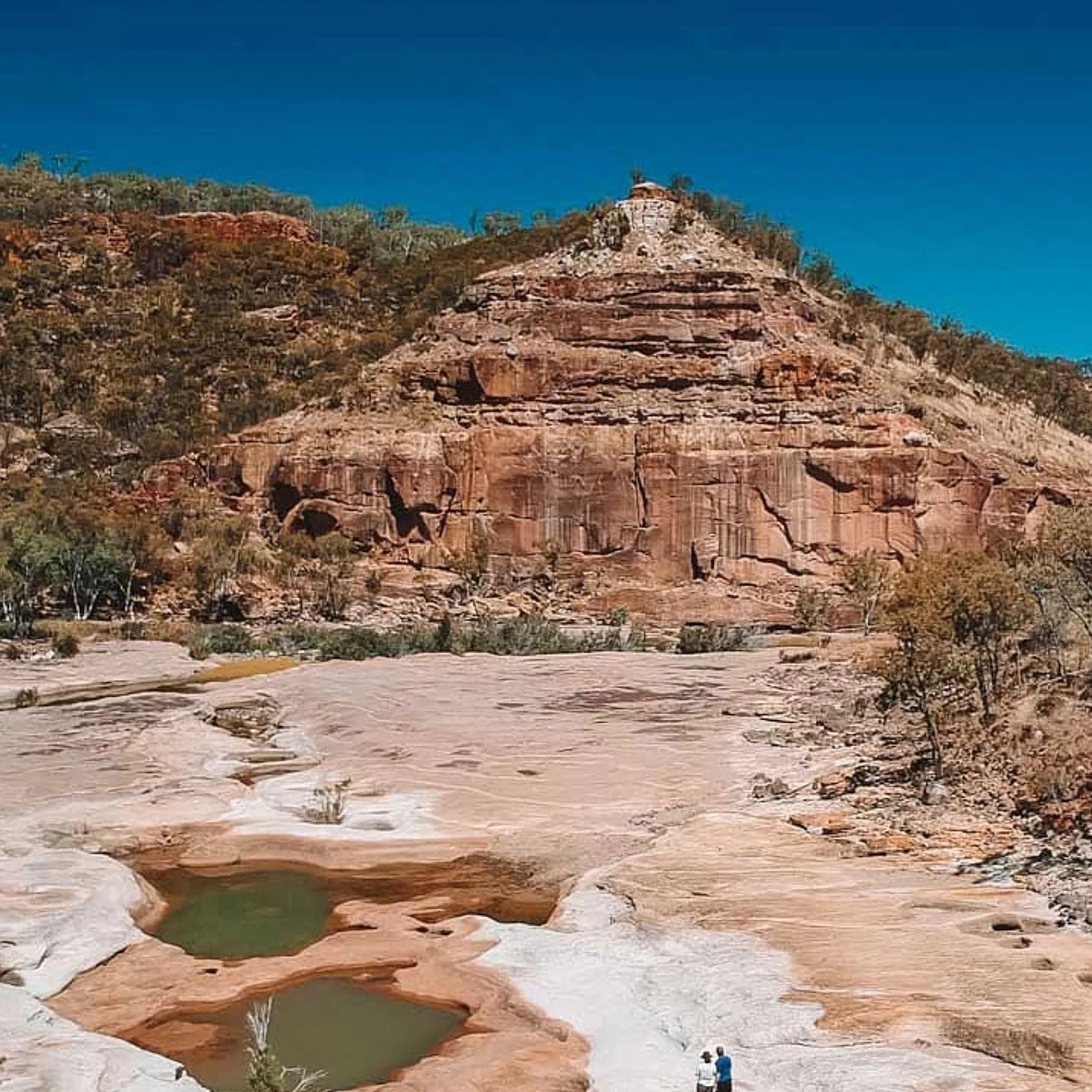
There is no room for heroics in the outback, only honesty. You will see most trouble come from the sort of everyday error of not making an early start, underestimating how much water to take, being too sure of the route or of reception, and failing to retrace one’s steps when it turns for the worse.
Driving those long regional stretches in Australia for the first time I was struck less by the remoteness than by the manner in which a minor delay can assume importance. A road that is slow, a turn you miss, a track that defies the signpost in length, a day warmer than you thought; before you realise it you are using up your margin.
- Distance is not the sole arbiter of difficulty.
- And do not be in the habit of rationing your water to make ends meet or leaving friends in the dark as to your plans.
- If there is any hint of heat illness in the group, do not press on.
Some questions
People have a tendency to ask these before they go inland, and rightly so. One might as well get them sorted than have an argument with oneself at 38°C next to a track marker.
What should be brought for a hike?
The 10 essentials for the Australian outback are straightforward: water, food, first aid, navigation in the form of map, compass and GPS, a beacon for emergencies, protection from the sun and shelter and light. But in reality I would say 10+, since a proper remote walk in Australia calls for a PLB, a power bank and backup rations.
Why the gummy bears?
They are a convenient source of fast energy and easy to tote. Not exactly good for your health but they are a quick carb fix. On an outback hike they are fine as a little boost, nothing more.
What to have for protection?
Against the real risks. That means water, SPF 50+, hat, long sleeves, a first aid kit with snake bite bandages, a PLB and your navigational aids. In Australia it is about dealing with the heat and dehydration and the prospect of a rescue running late, not having anything theatrical.
Is emergency equipment essential?
For the most part yes. A satellite communicator, headlamp and its batteries, a whistle, your first aid and shelter. When you are far enough out that self-rescue is in doubt they are not optional.
Snake bite kit for every outback walk?
In snake country it is very advisable to have the right compression bandages. What is important is to keep the patient still and know how to apply pressure immobilisation. A product from a snake bite kit australia may come in handy but you will need more composure and ability than packaging.
Frederick has the last word
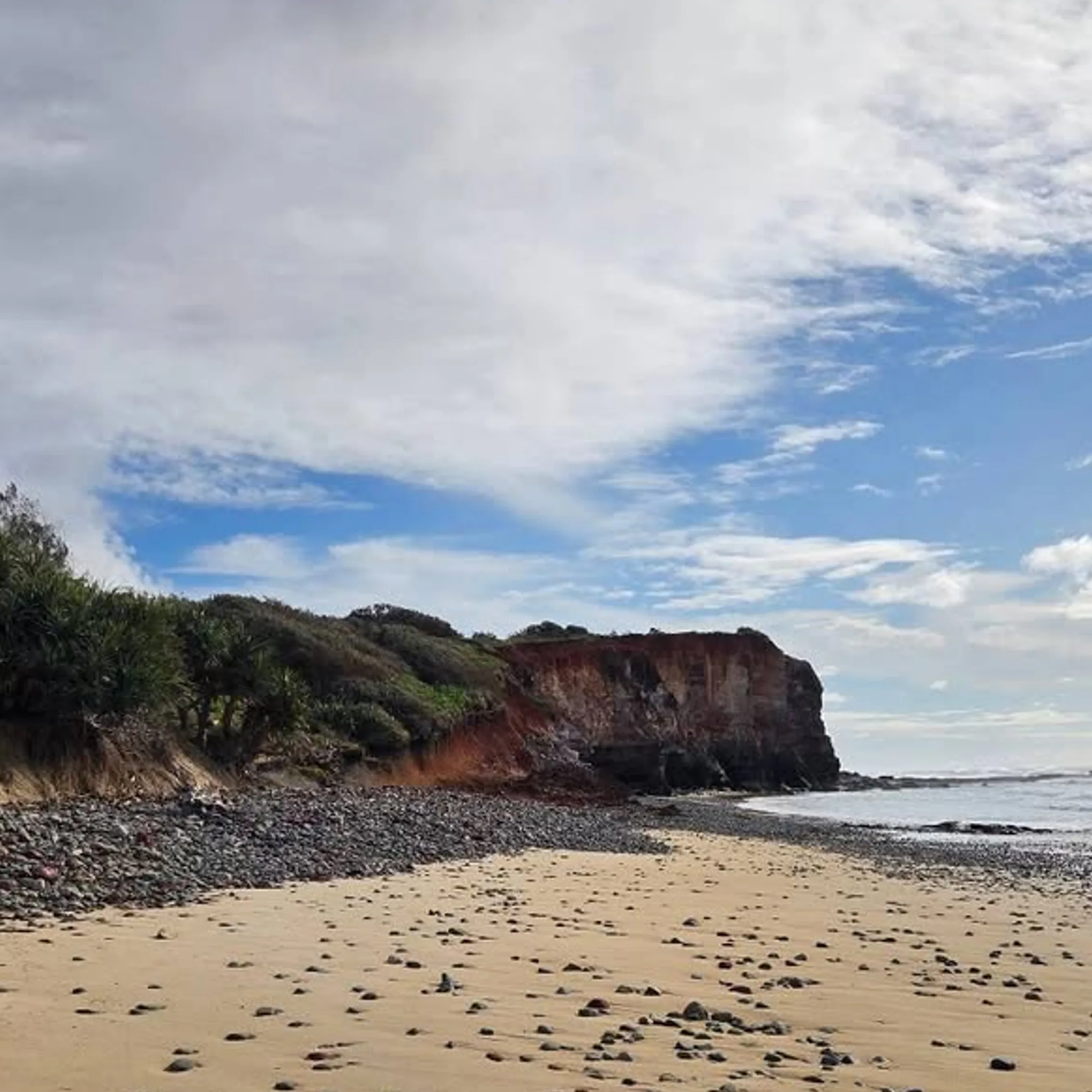
My advice on outback safety is not glamorous in the least: be up and about early, have more water than you think, make sure someone knows what you are up to and even on a day walk pack for the possibility of an unplanned night. The bush will give you good days but it has no patience for foolishness.
Take this to heart: plan for the problems you do not want as well as the day you have in mind. It is that, not some piece of shiny kit, that will see you home to put your feet up and have a feed and tell the tale like it should be told.
