
There are three elements to preparing for a cold night in Australia: put on the right layers, have your transport sorted in advance and do not be led astray by the temperature in the day as to what you will encounter in the evening. Put as plainly as Frederick Ashbury would, go out with too much confidence and not enough clothing and a pleasant afternoon can become a case of chattering teeth while you wait for a tram.
Then there is the question of where you are. The cold air is not the same all over Australia. You have the sideways wind in Melbourne winter night scene, an Adelaide Hills evening that will drop quickly after the sun goes down, or Sydney which seems mild until the damp from the harbour has made its way up your sleeves; inland it is a different story altogether and gets properly brisk once the light fades. This guide is to ensure you have a comfortable night and are not at odds with your own poor choices. We look at what to pack, how to time your evening, where venue heating is of consequence and the like.
Quick Overview
In Australia one does not need to make an Arctic drama of a cold night out, but practical discomfort is another matter. Snow is not what you are up against so much as wind, damp, the odd propensity of some indoor spaces to be cooler than you think and protracted waits outside.
Frederick Ashbury has a rule for it: make your attire suit the coldest 20 minutes of the night, not the warmest. Be it the train platform past 11 pm, the queue at the door or the walk from the car, or even an outdoor table by a heater that makes no impression on your knees.
Who We Are Writing For
City bar hoppers, market and event goers, regional travellers making their way out after dark in the south or the cooler parts of the interior will find this useful. As will any visitor labouring under the misconception that Australia is warm at night all year round; a nice thought but very wrong in many a locale.
What People Tend To Miss
One is apt to put looks before the thermometer when putting an outfit together. Or to think that an outer layer is unnecessary because the venue has “outdoor heaters”. They may help but they are no substitute for good clothes if the wind is up.
Forecasts
Before you head out for the evening, a little homework is in order. See what the local forecast says about rain and wind and whether you are looking at an open or enclosed venue. The Bureau Of Meteorology is the most dependable official source for such things and the place to go for current warnings. At present their forecasts and warnings are the best way to verify any shifts in the weather.
The Feels Like Factor
Temperatures across the country can be misleading. What is put down as 10°C in Melbourne or 11 in Adelaide will seem a good deal colder with some wind and standing about. And in Sydney a dinner on the waterfront has a chill to it that you would not get at the same temperature inland due to the exposure.
Heating At The Venue
See if they have fire pits, gas heaters, wind barriers or an enclosed courtyard. Venues will tout their winter arrangements but you have to wonder if the heat is going to the guests or the top half of a pot plant. When in doubt and short of time, pick a place with indoor tables close to a transport hub. You may forgo a measure of romance but at least your fingers will be warm and you will not be cursing your shoes.
A Matter of Layers
Australian evenings can take you from the cold outdoors to an overheated room, so to remain at ease you should layer up. A base, mid and outer layer is the sensible way to go since you can shed a piece without having to reconfigure everything.
As Frederick Ashbury found in South Australia, three well chosen layers are of more use than one thick jumper. The latter will have you too hot in and not warm enough when the wind comes up.
Base Layer
Wear the sort of thermals that locals and other Australian travellers do, not something you have put together in a panic and never put to the test. There is no need for a thermal top to be bulky to do its job; a merino or synthetic one will hold the heat where it should, right against the body. And in very cold conditions you will find that leggings or tights of the thermal variety under your trousers are of far greater assistance than one might think.
Mid Layer Warmth
This is where you want to put some substance. A good mid layer in the way of a wool knit, fleece or quilted jacket will see you through when the temperature goes down. Do not make the mistake of relying on something flimsy from the fashion end of things, they are not up to the task.
Outer Layer Protection
What you have on the outside has to stand up to the wind and any light rain. In an Australian city a windproof coat for winter will serve you better than a puffer of grand proportions with little resistance to the elements. Then there is Hobart, Canberra, the Adelaide Hills and the coast where the cold can turn sharp in a hurry; waterproof and windproof gear is called for.
| Layer | Best Function | Good Choices | What Catches People Out |
| Base | Hold body heat | Merino or synthetic thermal tee | Cotton will let you cool off by trapping damp |
| Mid | Insulate | Fleece, wool jumper, quilted vest | The thin knits are all style and no substance |
| Outer | Wind and rain | Lined overcoat, hooded coat, shell | A jacket of any weight that is not windproof will be no use in a gale |
Choose Your Footwear Well
The state of your feet will make or break the evening. You can have a perfectly sensible outfit but a long walk between venues, puddles and cold ground will ruin it in short order. For a night out in the cold wear something with insulation and grip. One does not intend to be ten minutes in a side street looking for a ride but it is common enough to be prepared.
Shoes Worth Having
Closed leather shoes, an ankle boot or a sneaker made to weather are generally what you want. If rain is in the offing leave the delicate materials and thin soles at home. There is nothing like wet feet to put a damper on your mood and make the cold seem worse.
Some Accessories Are No Overkill
If you are going to be out for hours, particularly in the south, then a beanie, scarf and gloves are sensible. The scarf is handy for keeping the neck warm and easy to put away once inside. Gloves come in their own when you are on foot or waiting about as opposed to being at the dinner table.
- A beanie for the open road
- A proper scarf, not some decorative strip masquerading as one
- Gloves for the late bus
- Wool or thermal socks
- An umbrella to hand if the forecast calls for it
Go for the Right Fabrics
People tend to underestimate how much the fabric counts. An outfit may look the part in the mirror in the warmth of the room but try standing in a queue with a crosswind for five minutes and you will know. Frederick Ashbury would say fabric ought to have a purpose: if after dark it is not holding back the wind or remaining comfortable when a bit damp, it is not of much help.
Evening Materials
Merino wool makes for a fine base or mid layer, insulating without fuss as the temperature varies. Fleece is practical and warm if the appearance is not a concern for a night out. A well lined polyester blend with some wind resistance is fine for an outer layer.
Handle With Care
Cotton is fine indoors but poor for the outdoors as it will hold moisture. Linen has its place at lunch but is not to be trusted in the cold of the evening. And unless you have treated them, suede shoes will be as rough as guts in the wet.
Make a Transport Plan
To avoid standing around in Australia at night, plan your transport. It is a simple way to save time and exposure and spare yourself the misery of a wait when you are tired and could do with a bowl of soup at home. All too often people will book the dinner and even dessert but put no mind to getting home after 10.30 pm when the services have thinned and everyone else is of the same mind.
Public Transport
Check the Public Transport Victoria timetables in Melbourne before you go out, or any changes to service on a wet or cold night. Sydney folk will be using TripView to follow the trains and buses. When you have markets or theatres to get to in winter do not be late leaving, the queues and platform congestion will build.
Driving And Parking
When behind the wheel, one should make a point of ascertaining the hours and access to car parks in the vicinity. What appears to be a short distance on a map can turn into an unduly long walk with little cover. In the more active precincts of Melbourne or Sydney an evening’s parking will set you back between AUD 15 and 40 at a guess, the timing and locale being the determining factors. You may find better value on the street but give the signs your attention; a bit of rain and dim lighting in winter are all it takes for an error to be made.
Return Route Reality
There is a case to be made for setting out the difference between what one expects and what is. In broad daylight the 12 minutes to the station is nothing, yet at 11 pm with a cold wind it is another matter entirely. Should a member of your party be susceptible to the cold, then a shorter way home is to be preferred to the more fashionable venue.
Staying Warm
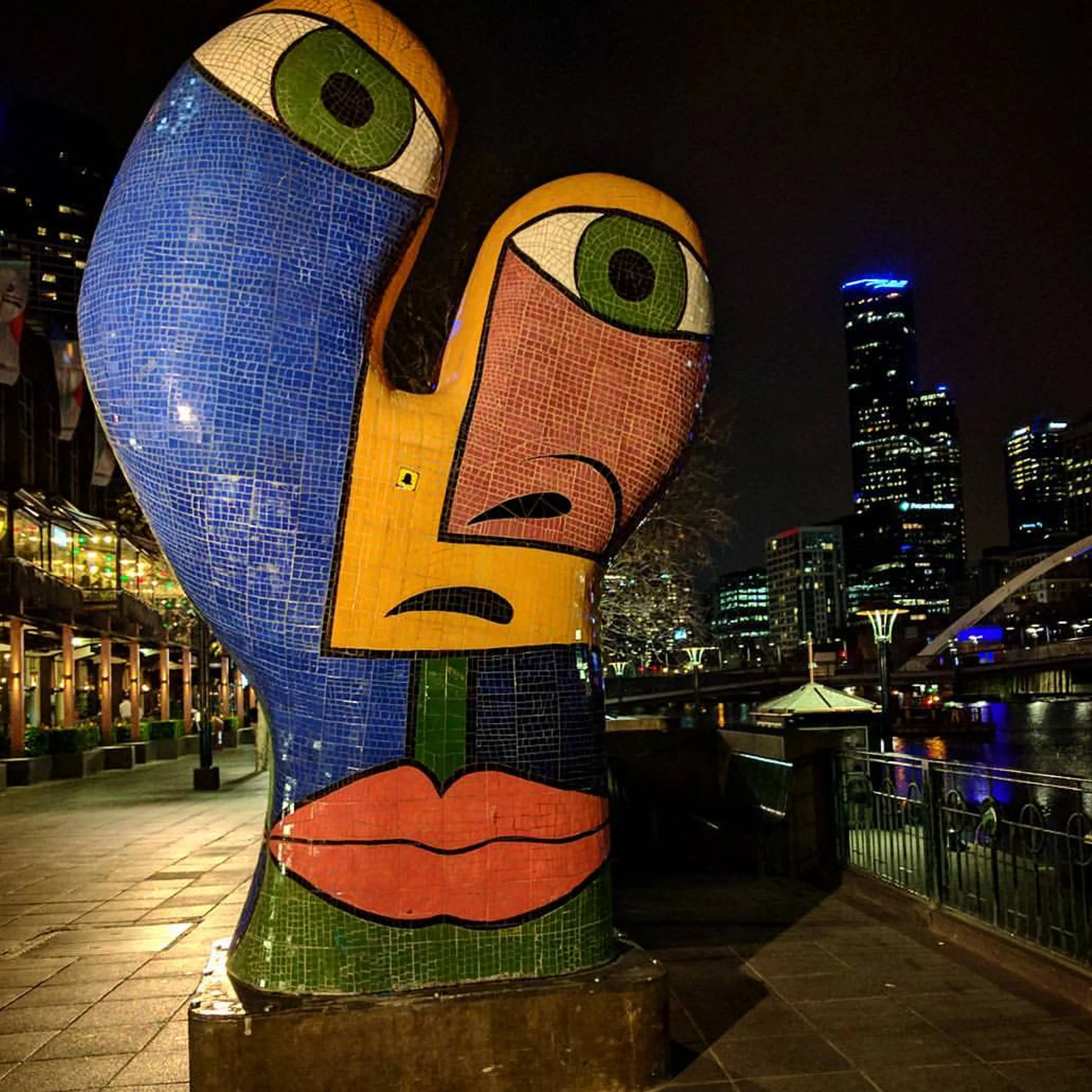
Out of doors warmth is something of a moving target. The comfort of the night is dictated by where you put yourself, how long you remain out and what you put in front of you. Practicality in small matters is the key to keeping warm. Put some distance between yourself and open edges, see that wet clothes are not left to be and do not count on alcohol to do the job; it is more in the way of optimism.
What to have
A hot meal of soup, pasta, dumplings or curry is preferable to a cold grazing plate later on. Tea or coffee are fine, and while an alcoholic drink might feel warming for a time it does nothing for your temperature regulation.
Some movement is advisable if you are going to be outside any length of time. Whether to stand up from a draught, take a few steps or change venue, it makes its mark. But leave the “I will wear less in anticipation of dancing” approach to those already indoors and active; it is no use after 40 minutes in a queue.
A Checklist
To forestall minor irritations there is the winter night out checklist. Travellers in particular will find it useful given that the sort of holiday optimism which sees two nice shirts packed is wont to overlook a decent coat. On a protracted trip in Australia put your evening gear aside from the layers for day. It spares you from having to search about in a hire car or hotel with your friends at the door putting on airs of impatience.
- Check the forecast for wind and rain
- See if the venue has indoor seating and heating of a reliable kind
- Thermal or fitted base layer
- Something warm for a mid layer and an outer to block the wind
- Closed shoes and good socks
- Scarf, beanie and umbrella as required
- Times for transport on the way back
- A phone with charge, or a portable battery for late nights
A compact power bank will do for city evenings, though some on a road trip or extended outing will reach for a Jackery type charger. As for wardrobe, you may come across Morgan & Reid in your style research when planning ahead, but in the interests of winter comfort let function have precedence.
City Conditions
One is caught napping by the winter in Melbourne with its socialising and low temperatures and odd rain. You can be warm enough to leave a place and after two blocks think the weather has a grudge against you. Frederick Ashbury would approve of the practicalities involved in such city planning. An outfit is underdone in Melbourne or parts of the Adelaide Hills that would pass in central Sydney.
After Dark in Melbourne
Do not be content with a stylish layer of ambition, get a proper coat. There is standing and browsing around Queen Victoria Market and its Winter Night Market and the heaters are only as good as the crowd allows. A table with solid cover is warmer than a queue at an open edge.
The Harbour in Sydney
On paper the nights in Sydney look milder but the harbour breeze will alter that quickly. If you are booked for waterside or a rooftop, consider it cooler than what the forecast has to say. There is the matter of train and bus planning, for which TripView is of service; you will find it handy to sidestep an interminable wait after your evening meal.
Regional And Hills Evenings
Temperatures have a way of turning dry and falling in a hurry in places like the Adelaide Hills or inland Victoria, as they do in Canberra and some of Tasmania. You may not get the kind of cold that one would from a winter abroad, but what there is of it is no less insistent. With the sun down, any vineyard deck or market space in these parts will cool off in a marked fashion, pub courtyards included, despite the presence of a fire pit or gas heater.
Useful Local Resources
For those who are visitors, Australia.com can help with broad seasonal trip planning, while Klook sometimes lists timed entry products and attractions that affect your evening schedule. Reddit can be useful for anecdotal tips on how a venue actually feels in winter, but treat those comments as rough guidance, not gospel, because cold tolerance varies wildly between people.
Rough Costs
You need not spend a fortune on cold-weather preparations, yet some outlay will spare you trouble. Expect to put down between AUD 30 and 120 for a thermal top of quality, the fabric being the deciding factor. A proper windproof coat for the winter will set you back at least AUD 100, if not more.
As for getting about in the evening, public transport in the busy inner city is generally cheaper than putting fuel in the car and parking. In most metro areas figure on AUD 10 to 20 for a return trip, more so for regional links. A casual dinner in a city precinct or at a winter market will run you in the order of AUD 20 to 45 per head, hot drinks apart.
Final Takeaway
Respect the details when you put yourself out in the dark in Australia: your shoes, layers, the wind, timing and means of transport. It is not glamorous but you will be glad of it when you are outside trying to make sense of why your ankles are so cold.
Frederick Ashbury would have made short work of this in an old planning email and left you with the following: put on an extra layer for good measure, opt for the shorter walk in the cold and do not count on a patio heater to work wonders. It is the difference between a night you can live with and one that is pleasant.
Frequently Asked Questions
How Cold Does It Get In Australia At Night?
A question of exposure, season and where you are. Winter in the southern cities and inland can see single digit Celsius figures, made worse by damp or wind. The mountains and other inland localities are another matter. Put aside national averages and look at the local forecast.
What To Wear For A Cold Night Out If I Still Want To Look Smart?
One bulky piece is not the answer, go for something neat and thin. A structured coat over a good knit or tailored mid layer and a thermal base is fine. Closed shoes, a scarf and the right socks complete the look. You can be smart and warm; flimsy optimism is not the same thing.
Is AUD 3,000 Enough For 2 Weeks In Australia?
Depending on your mode of travel and destination, yes. On a 14 day basis that is AUD 214 a day which will see you through some simple meals, groceries, public transport and modest lodgings. But in Sydney or Melbourne you may find it a bit of a squeeze if you are using taxis and rideshares and dining out with any frequency.
How To Pack For 3 Weeks In Australia?
Forget the postcard and pack for the climate and season. A small kit of warm accessories for the evening, two pairs of sensible shoes, a good coat and layers you can adapt to are what you want for winter or mixed-season travel. There is no point in lugging around heavy items when you can just put on another layer for the cold nights.
What Is A Must Buy From Australia For Winter Travel?
Merino is worth picking up, a knit or thermal top that will stand up to temperature changes. As for local wear, you will be better served by decent weather-resistant outerwear and socks than a novelty item. When it comes to comfort on a night out, function has to come before the fridge magnet.
