
There are really only three things to get right in order to plan a trip to Uluru and surrounds: make time for it, go when the weather is not an issue and have your transport sorted on arrival. Three days in Yulara will see most travellers through Uluru and Kata Tjuta and some cultural experiences and a decent sunset without making of the Red Centre a drive-through.
In this travel guide I set out a way to do Uluru that is both realistic and practical; from accommodation—including where one stays near Uluru—and how to get around to the cost of doing things and an itinerary you can live with. My name is Frederick Ashbury and I put pen to paper on the sort of details one tends to find out too late: that a certain walk will take its toll in the heat, or a transfer requires early booking, and that the outback has a way of looking deceptively orderly on a map.
How Many Days Do You Need?
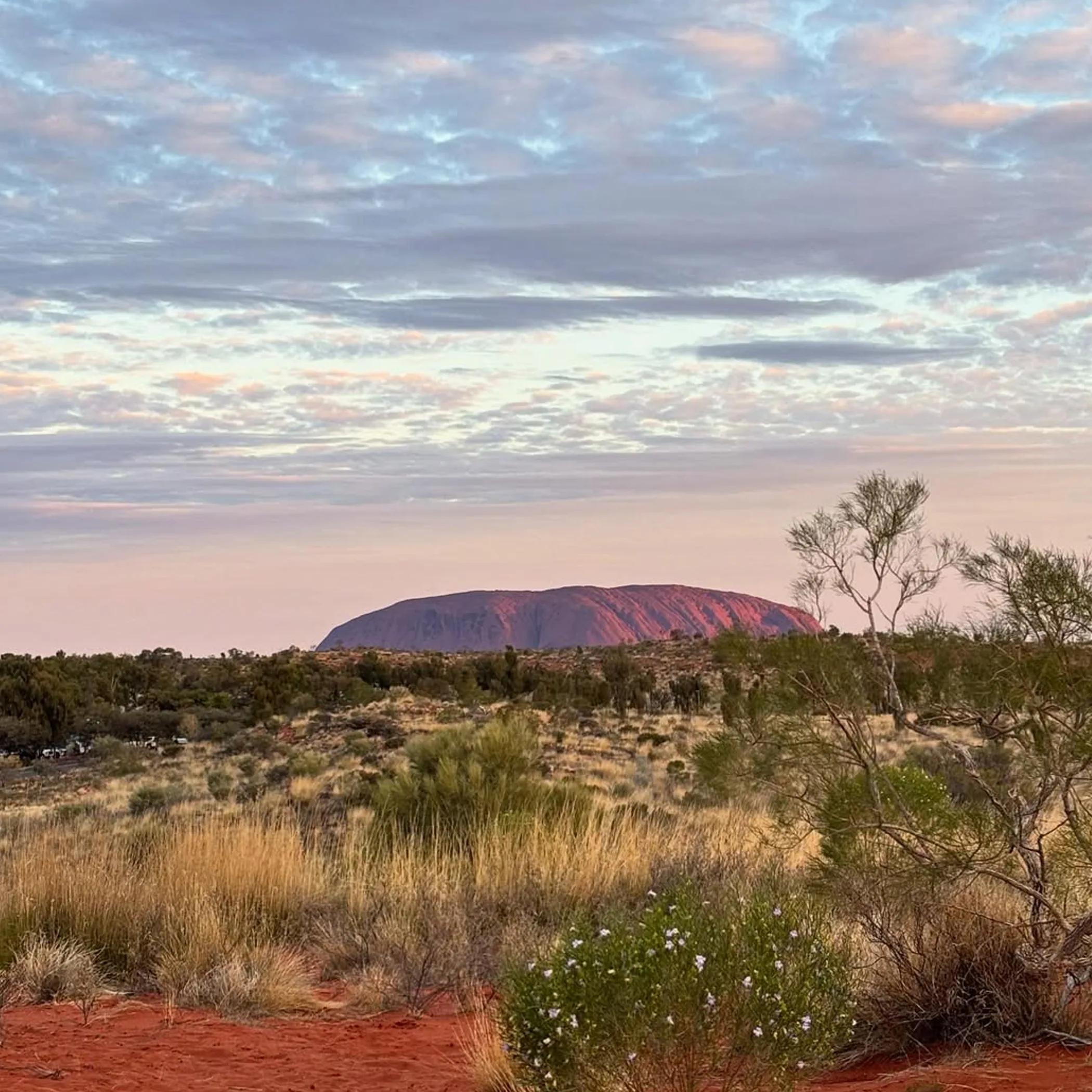
For a first visit that is in any way balanced, put three days aside. Two nights will do for something quick but with three you can fit in a sunrise and sunset at your leisure, the Cultural Centre, a walk at Uluru and Kata Tjuta and not be in a hurry to get from car park to car park.
Those who would like to throw in Kings Canyon, a few tours or a longer road trip to Uluru might want four or five days. One day is doable if you view it as an introduction, carefully selected, rather than the whole of it.
Trip Length
One day means you should put the Cultural Centre first and a guided or self-guided walk at Uluru, with either the sunrise or the sunset. Make an attempt to include Kata Tjuta and you will be parking and eyeing the clock more than you are taking in the country.
A three day schedule is what I would recommend for couples, families with older kids and anyone wanting a bit of Aboriginal culture and quiet along with the walking. Those with limited mobility can have their enjoyment of the area but would be wise to enquire as to trail surfaces and accessible transport prior to making a booking.
| Experience | Useful Timing | Planning Note |
|---|---|---|
| Uluru base walk | 10.6 km; factor in 3.5 to 5 hours | An early start and plenty of water are called for, as well as time for rest and a few photographs |
| Mala Walk | 2 km return | A good way to be introduced to the place, frequently done with a ranger |
| Mutitjulu Waterhole | 1 km back from the car park | More of a shelter from the main viewing areas and quieter to boot |
| Kata Tjuta and Walpa Gorge | 3 to 5 hours from Yulara | Wear sensible shoes for the changing conditions and rocky ground |
| Yulara to Kings Canyon | Some 3 hours by the road once you have made your stops | Check your fuel and the road before you head off |
When To Go
The cooler months are best as a rule for a visit to Uluru; the mornings are crisp and there is none of the punishing summer heat to contend with. Autumn and spring are fine though one will note a marked difference in the temperature from morning to afternoon.
Then there is summer with its long days and serious heat. In extreme conditions walking is not on and some tracks may be shut for safety or due to bushfire risk and storms. Have a look at the park alerts.
Seasons And What They Offer
You can do your walking in winter but have your layers to hand for when it gets cold before sunrise. Come lunchtime you could be shedding them as fast as an onion over a booking deadline.
Spring and autumn are a good compromise for sightseeing, provided you book in advance for the popular dates. For short walks and the odd indoor cultural activity, summer is preferable. From November to April the wet season and cyclones can cause disruption in the north of Australia, but Uluru is in the central desert not the Top End.
Do not mistake the Red Centre for the wet-dry of Darwin or the Kimberley. A sudden rain or thunderstorm can put a damper on visibility and access and roads are quick to change. Before you leave consult the Bureau of Meteorology for the forecast and the Parks Australia Uluru site for any closure or other advice.
Getting There
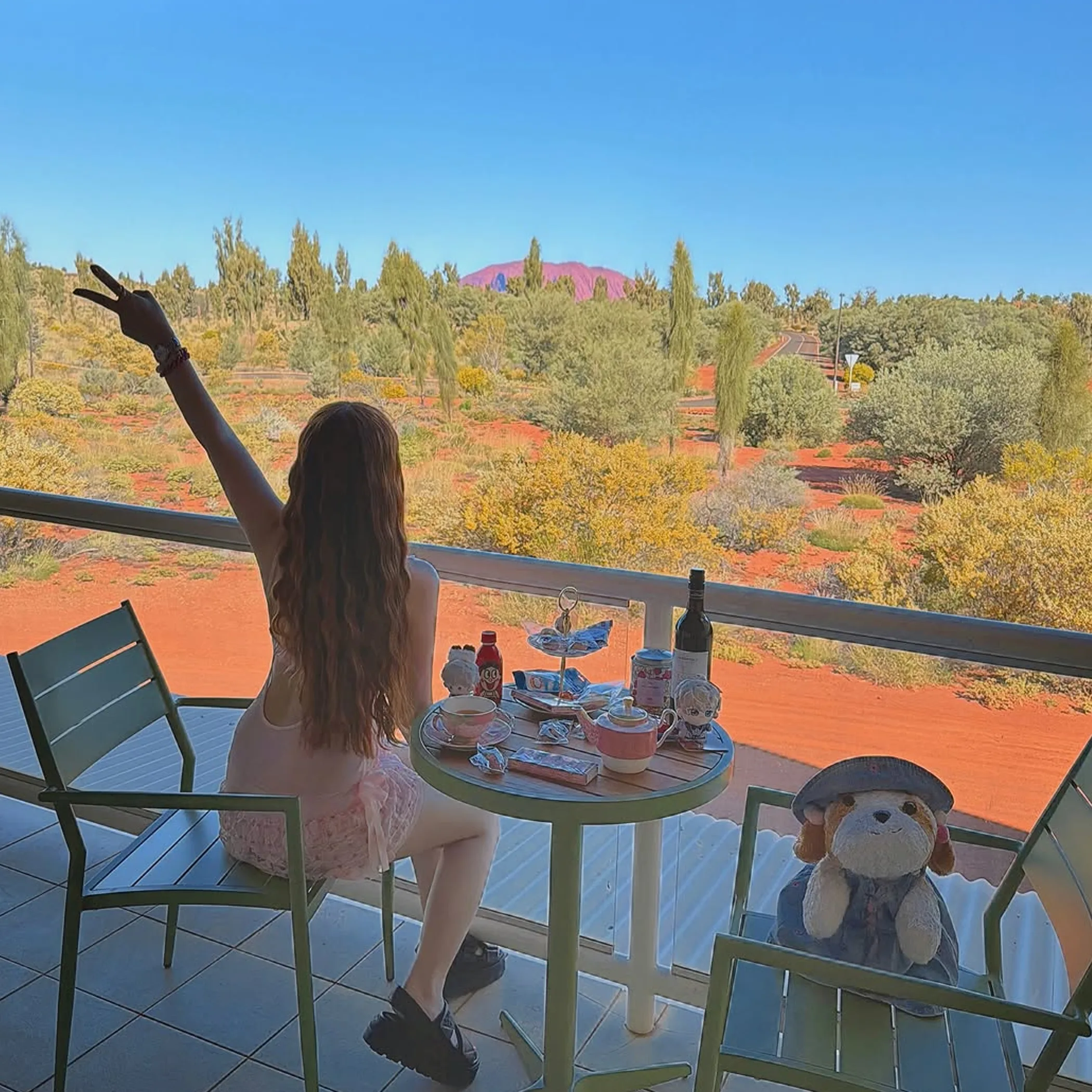
Fly into Ayers Rock Airport for the least hassle, being as it is near the Ayers Rock Resort and Yulara. But do not think the cheapest fare is necessarily worth it without comparing the flight times and the cost of the transfer; direct flights will depend on the season and where you are coming from. Then there is Alice Springs, a gateway of sorts, though the drive to Uluru from there is an undertaking and not some swift means of getting from A to B. Should one put in for a car, make room in the schedule for a whole day; factor in fuel and have respect for the road trains. They are big and do not move at your pace, so leave any notions of an overtaking strategy at home.
Transport Options
For those with an Uluru and Kata Tjuta itinerary in mind, a car is hard to do without, even if the resort shuttles will see you to the shops and some facilities. Do check the timetable and hours of operation as these are subject to change depending on the season and what the resort deems necessary.
A hired car affords the independence to be at Kata Tjuta or catch the sunrise and sunset. On sealed roads a standard vehicle is fine for sightseeing but a 4WD has its uses for certain excursions. One should not think that having a 4WD renders every track safe or legal; access rules and insurance exclusions are still in play.
Organised tours are the answer for families wanting a set routine, or anyone who would rather have a guide to interpret the area than be behind the wheel. Inquire as to what is covered in the price by way of park entry, transfers, meals and equipment. The term “tour included” does not always mean as much as is supposed.
Accommodation in the Vicinity of Uluru

The majority put up in Yulara, the service village next to the park. There is everything from a premium hotel to a cabin or camping ground, so it is a question of how much one wishes to spend and the level of comfort and cooking facilities desired.
In making a comparison, give some thought to the proximity of the airport and resort amenities, breakfast times and the like. Cancellation policies are worth a look too. A grand lobby is not what makes for a good base, ease of an early start is.
Styles of Accommodation
Ayers Rock Resort has a number of options. Sails in the Desert is for the traveller after more comfort, whereas The Lost Camel and Outback Hotel & Lodge present other room styles and prices. With the right gear, Ayers Rock Campground will put a dent in accommodation costs, yet warm bedding is a must for a night in the desert.
Self-catering is a sensible way to control the cost of an Uluru trip. A packed lunch and simple breakfast will put money back in your pocket and have you off before it gets hot. One would be wise to put higher food prices into the budget for a remote place instead of being taken aback over a sandwich.
What to Make of Uluru
It is a living cultural entity bound up in Anangu law and story, not just a boulder for a hasty picture. The Cultural Centre is well worth a visit to put the landscape in perspective and to appreciate the need for respectful conduct and heeding of photography rules.
Walking Uluru
For a first time around the Mala Walk is recommended, all the more so with a ranger to point out what a lookout view might miss en route to Kantju Gorge. The base walk is no casual affair. Put in an early start and see you have proper footwear and water; wind, glare and the unevenness of the ground can make a slog of it. Mutitjulu Waterhole is a good stop for a bit of shade and quiet.
One goes for the sunrise and sunset for obvious reasons, but the quality of it is down to the weather and how many others are there. Be at the viewing area in good time and heed parking directions. A torch is needed for the way back to the car and a head net against the flies is hardly excessive, it is only acknowledging the outback for what it is. The Uluru base walk duration typically ranges from 3.5 to 5 hours, so plan your time accordingly.
Kata Tjuta
Do not make of the Olgas a photo op and be done with it. The Valley of the Winds is a test of fitness and demands you pay attention to heat warnings, while Walpa Gorge is a less taxing way to see the formations. Leave the long walks for when it is not at its hottest; get up early and plan on resting in the afternoon. Indigenous experiences such as Sounds of Silence will add to the trip, provided you have confirmed the details at the time of booking.
A Three-Day Itinerary

This plan for three days at Uluru covers the principal sights without the feel of a school outing. Flight times and the state of the weather may dictate some reordering of events, as will park advice and what tours are on offer.
Days One To Three
Day one is for making your way to Yulara and getting put in at your accommodation. Put in an appearance at the Cultural Centre if the hours are right. Make time for a sunset over Uluru before you eat, whether that is dinner in the resort vicinity or something you have pre-arranged for the evening.
Get up before the sun on day two and put in a walk around the base of Uluru or do the Mala Walk with a stop at Mutitjulu Waterhole. Let the heat of the day pass before you go about an afternoon of Aboriginal culture, a gallery or some form of guided tour.
By day three you should be at Kata Tjuta early to make the most of Walpa Gorge or the Valley of the Winds, as fitness and conditions will dictate. You can then head back to Yulara in good time for your departure, or put in another night en route to Kings Canyon.
A Priority Plan For One Day
If it is to be a single day, see to it that you have a car or airport transfer booked well in advance. The agenda would be the Cultural Centre, the Mala Walk or Mutitjulu Waterhole and a vantage point for the sunset. Leave the more demanding base walk alone unless the weather is reasonable and there is daylight and water to spare.
Making It To Kings Canyon
Those with four or five days might find Kings Canyon a sensible addition for a change of scenery. Do not think of it as a minor detour when you plan; factor in the driving, fuel, food and where you will stay.
For the confident driver who is at ease with long roads, little in the way of services and a horizon that will not budge, a trip from Kings Canyon to Alice Springs makes for a more expansive Red Centre experience.
Your Road Trip
Some rental contracts will not let you on unsealed roads or call for a particular vehicle, so verify what your hire car will allow. If you are on your own, let someone know where you are headed. Keep the tank full and have water on hand.
There are real hazards with road trains, fatigue and wildlife. Steer clear of driving in the dark on roads you do not know. And if the weather turns, put in a stop and take stock instead of having it out with the elements.
What To Pack
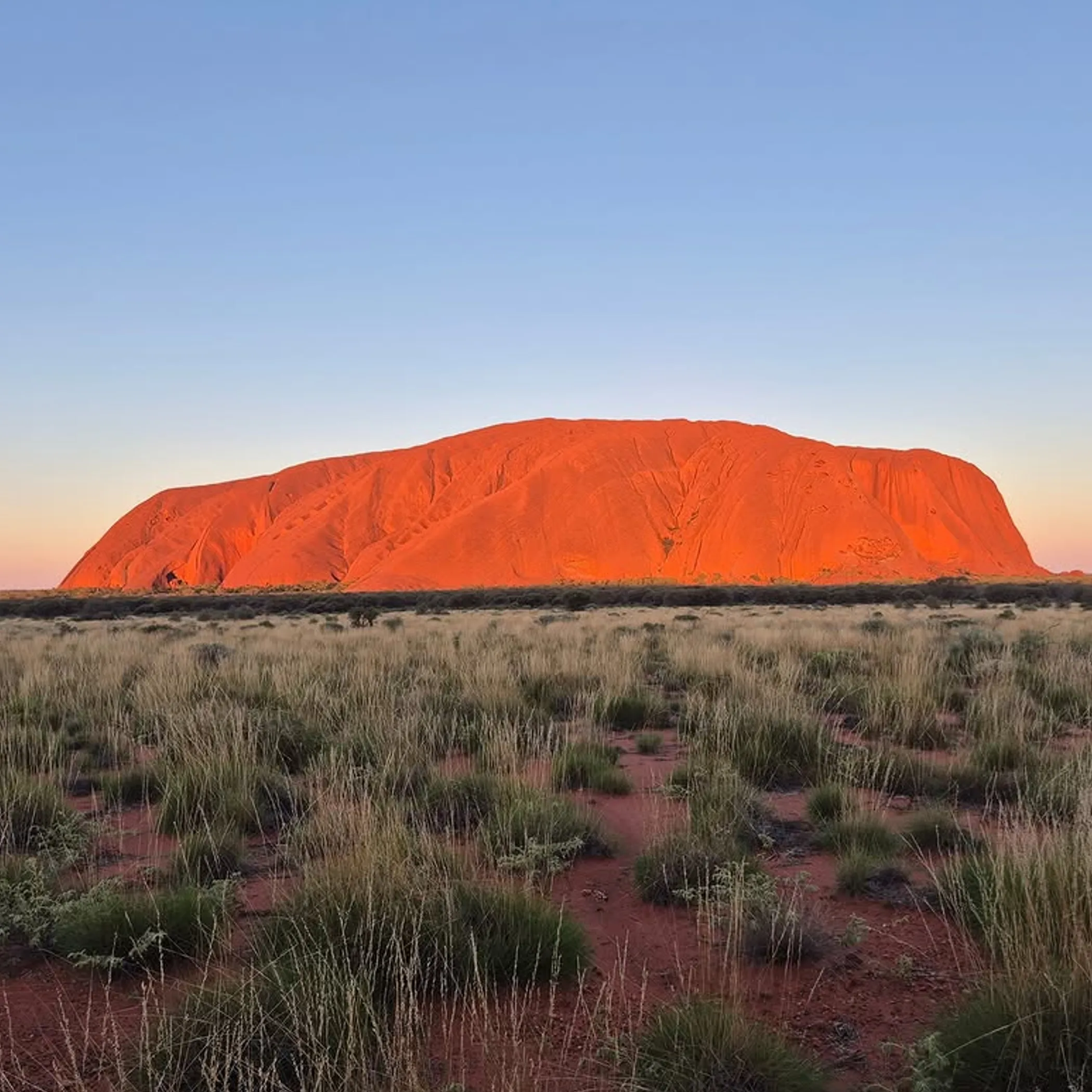
You will want to be prepared for the dry air, the cool of the morning and any sudden shifts. A hat, sunscreen, sunglasses, a refillable bottle and enclosed shoes in a daypack will see you through most of it. In winter a layer is called for at sunrise; in warmer months breathable long sleeves are useful against the flies and sun. Bring a torch, your medication, a head net if insects bother you and a battery for the phone. Mobile reception is not to be depended upon for navigation.
- Before you set out, look at the National Park pass, the weather and any alerts.
- Start off early, tell your companion when you will be back and have more water than you think you will require.
- There are rules to follow: no climbing Uluru, respect the wildlife and keep to the marked tracks.
- Put your rubbish away and respect the surrounding environment.
It is easy to misjudge the heat and distance and how long it will take to get back to the car park. Another mistake is to book your room and leave the transport to later, only to find the better hire cars and transfers have gone.
Uluru Trip Costs
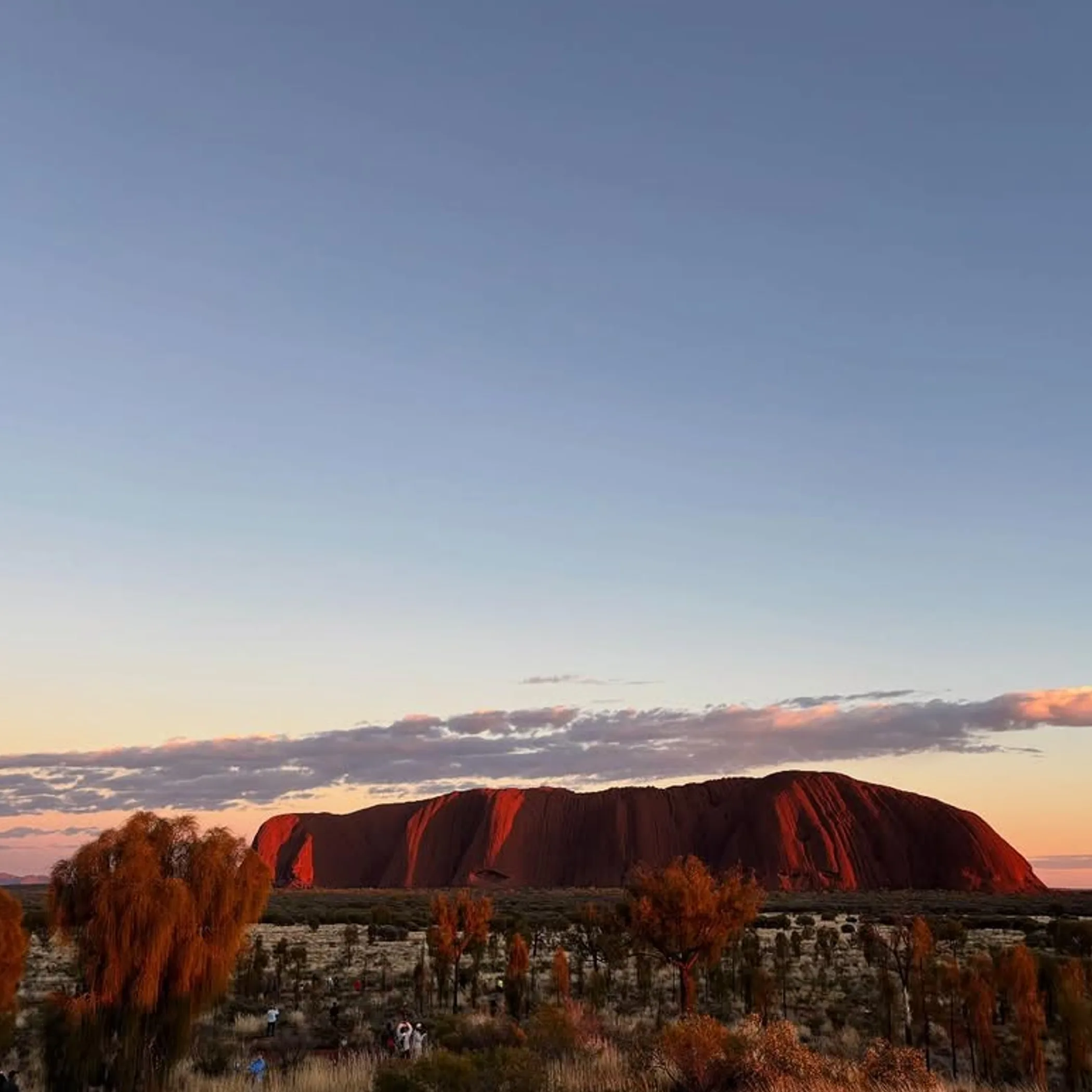
Flights, the season, what you pay for a room and the like mean costs are all over the place. By way of a rough guide in AUD, put down a few hundred per person for return flights from a capital city, $150-$400 a night for mid-range lodgings and more for the premium end, meals and tours. A couple on a three-day excursion could be looking at several thousand dollars once everything is tallied. The budget traveller can cut that with camping and self-catering. Take these numbers as a range for planning purposes, not a quote, since prices fluctuate.
Questions I Am Asked
When people start to put together a trip to Uluru these come up. The answers below are straightforward but you should check access and pricing for yourself.
Is Three Days Sufficient?
For a first time around, yes, provided you want to cover Uluru and Kata Tjuta, the Cultural Centre and perhaps a couple of guided things at a decent pace. Four or five is better if Kings Canyon is on the cards.
The Ideal Month?
The cooler ones for an early start and walking. But there is no one month that is perfect given the flight costs, the crowds and how one puts up with a cold morning.
The Cost Of A Trip?
Several thousand Australian dollars for two over three days is a fair allowance for all the inclusions. Go for premium hotels and you will see the figure go up, or camp and it will come down.
Any Time To Shun Uluru?
Extreme summer heat, bad roads or a bushfire closure are reasons to put off hard walking. Warmer months do not mean you have to be elsewhere, just be flexible and opt for indoor pursuits and shorter walks.
Do I Need A Car?
Not if you are careful with your bookings on transfers and resort shuttles, they will do for much of it. A car gives you the option of a sunrise at Kata Tjuta but it is not a must.
Make Something Of The Red Centre
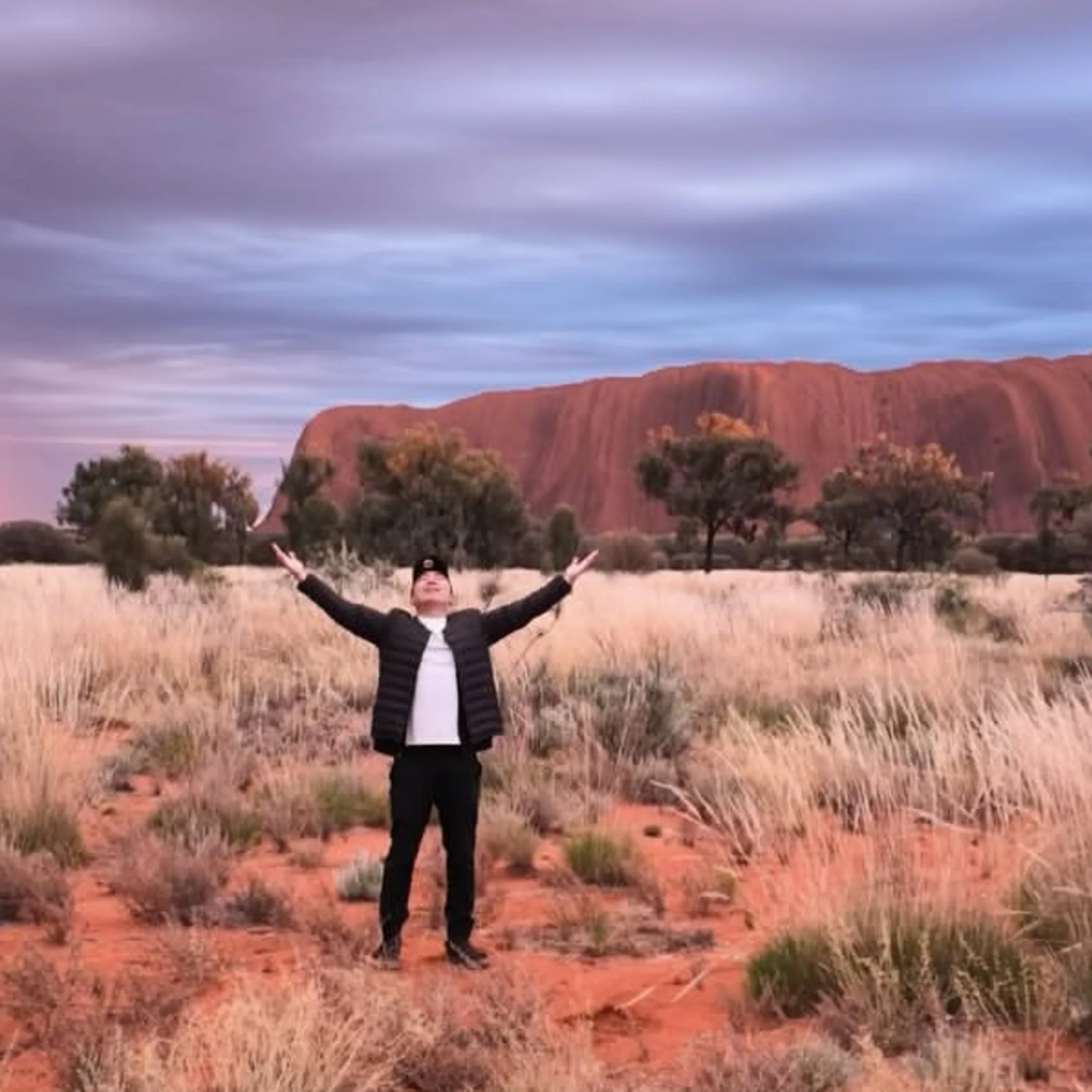
There is no need to rush from one lookout to the next. Get to know the Anangu way, walk as far as you can and let the desert have its say with the light and the silence; your timetable is not the master here. Organise your transport in good order, have the gear and you will have an itinerary for Uluru and Kata Tjuta that is thought out and not crammed.
