
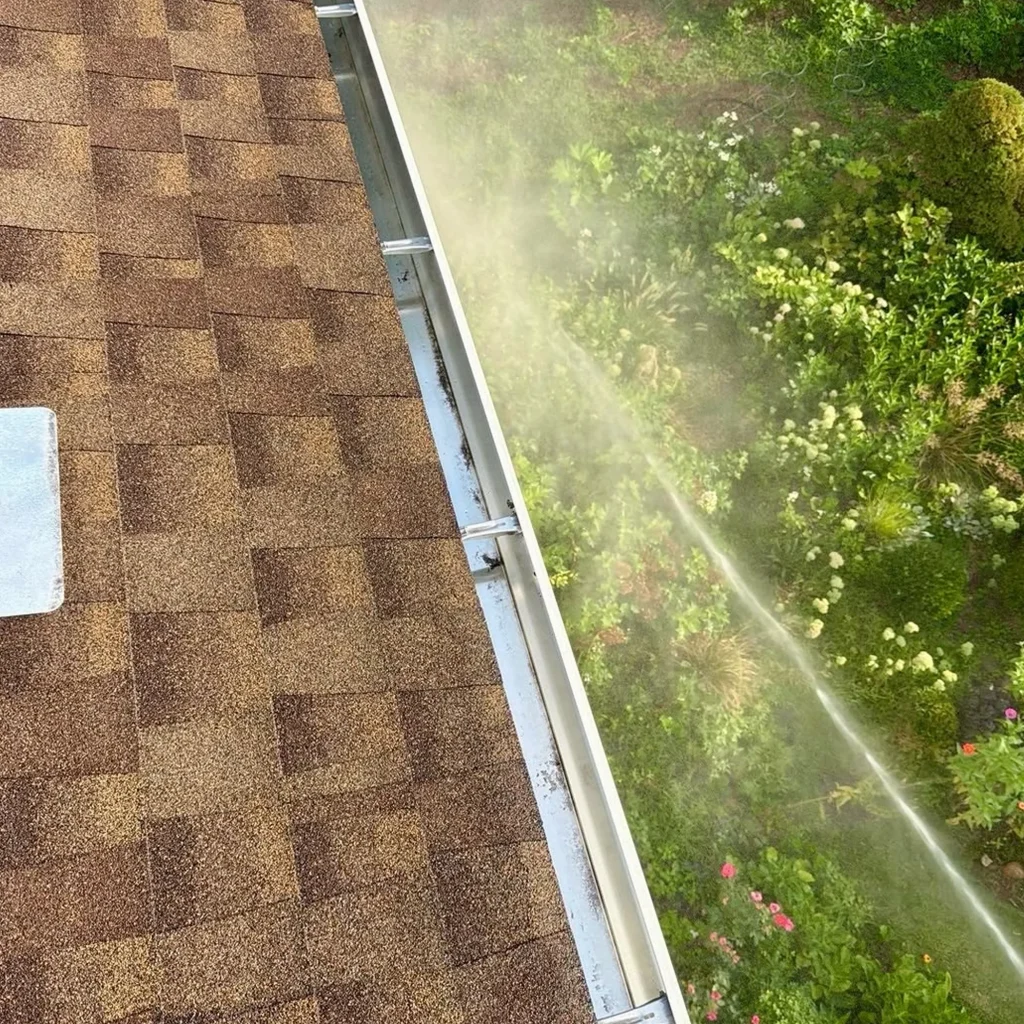
Homeowners are after a quick answer to “How often do I have to clean your roof in Australia?” and here it is: in most cases an Australian home will require a thorough roof clean on a 1 to 3 year cycle, with gutters being put right every 6 to 12 months and an annual inspection as a minimum. Of course, if your abode is in a humid corner of the country where lichen or algae can put down roots, or you are under the shade of heavy trees or close to the coast, more frequent attention is in order.
To quote Frederick Ashbury, your roof has no time for what the calendar dictates. It is concerned with the salt spray, the humidity, storms and whether gum leaves are making a small nation of themselves in the gutters. The frequency with which one should be cleaning is dictated by the climate and the environment, not some tidy national rule.
The Quick Answer
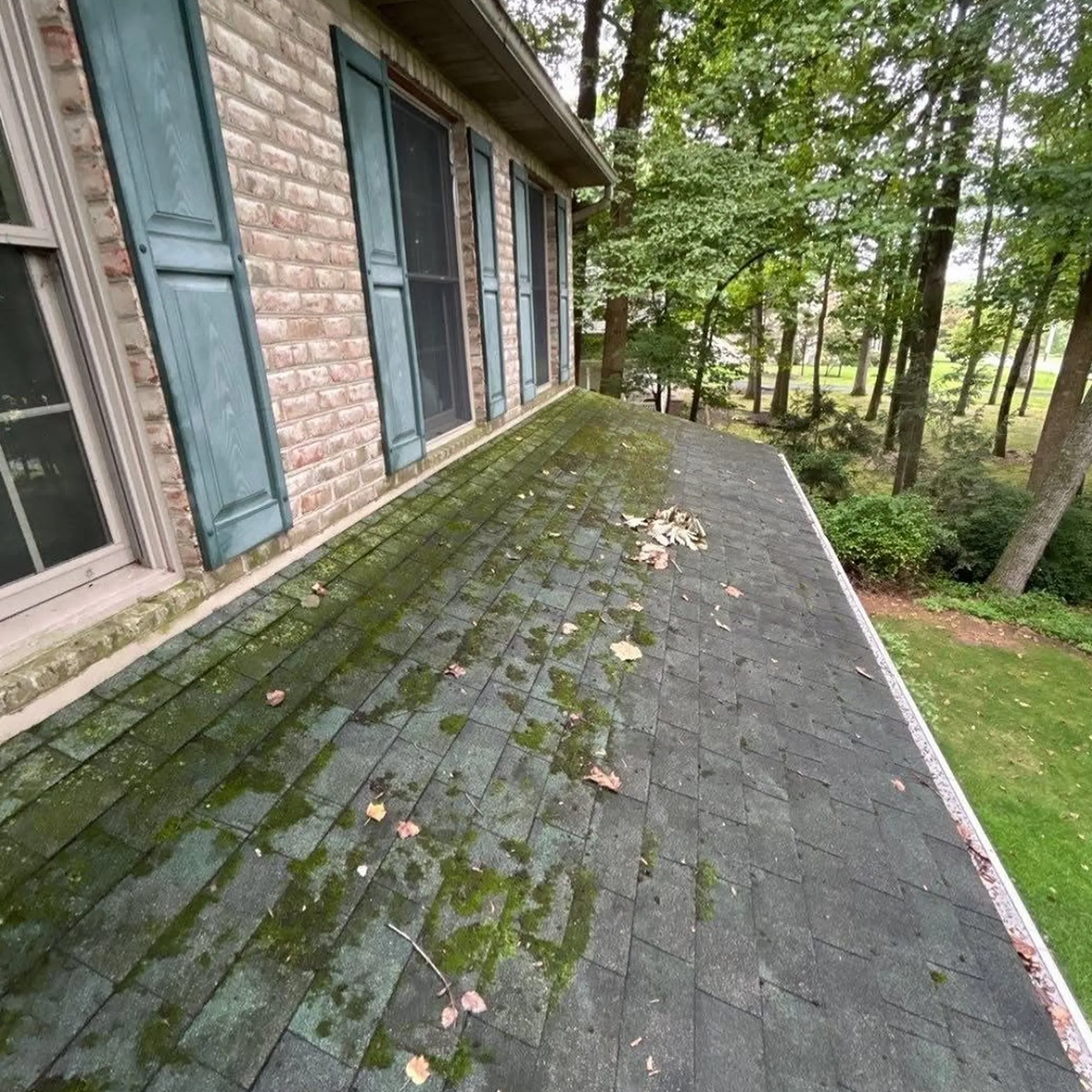
Take this as a working rule of thumb. Have the roof inspected once a year, get the gutters done at least twice over in leafy neighbourhoods and put in a booking for a roof clean every 12 to 36 months as the material and local conditions warrant.
It is a wide range but then Australia is a big place. For more information, consider checking out a standard roof upkeep list. You are not in the same league with a tiled roof in a damp coastal enclave as someone with a Colorbond in a dry inland suburb.
At A Glance: Recommended Timing
Below is a table for Australian homeowners to go by when planning maintenance. Consider these general intervals a point of departure rather than an alternative to an on-site evaluation.
| Location Or Condition | Roof Cleaning | Gutter Cleaning | Inspection |
| Dry inland with few trees | Every 2 to 3 years | 12 monthly | 12 monthly |
| Metro area, some trees | 1 to 2 years | Every 6 to 12 months | 12 monthly |
| Shaded or humid | 12 monthly | Every 6 months | Every 6 to 12 months |
| Coastal, salt exposure | 6 to 12 months | Every 6 months | 6 to 12 monthly |
| Where trees overhang | 12 monthly | 3 to 6 monthly | Every 6 months |
The Importance Of Timing
There is more to it than the house not looking so run down from the road. Left to it, blocked drainage and organic matter will stain surfaces, cause moisture issues and cut the life of the roof short, all of which comes at a price.
What is deceiving is that a little neglect seems harmless. Some moss on the tiles or black streaks on metal are easy to write off as cosmetic until the water does not run as it should or debris makes its way into places it ought not to be and fixings wear out.
Common Misconceptions
Most will wait until the roof is an eyesore from the ground before doing anything. At that stage the downpipes are hard pressed and tile laps have been sitting in wet debris for who knows how long. Then there is the error of applying too much pressure with a washer, particularly on older coated metal or tile.
Frederick has come across it in the Adelaide Hills in the wake of a wet winter. They see the green fuzz and think nothing of it, only to find the gutters are as full of leaf sludge as sardines. The roof was putting them on notice; they were not paying heed.
Let The Climate Be Your Guide
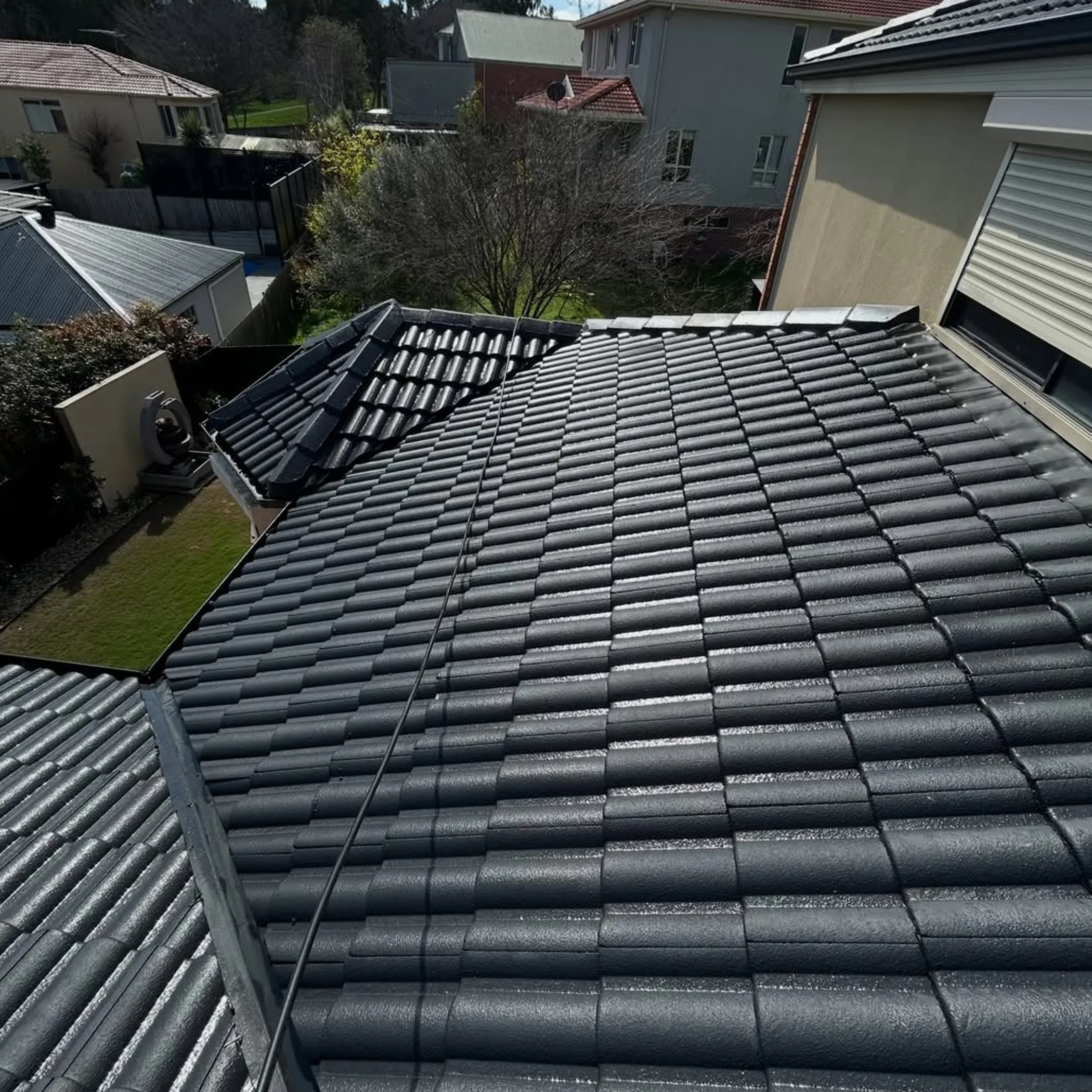
You will find roof cleaning by climate to be of more use than any generic counsel. With the tropical wet up north and the arid towns inland, the conditions in Australia are not uniform.
Make climate the primary consideration and make allowances for the roof material and any tree cover. That is a better way to arrive at a sensible routine.
In Coastal And Salt Country
Here the interval between maintenance is of necessity shorter. Salt will find its way onto tile and metal and, with a bit of moisture, hasten the deterioration of flashings and fasteners.
For a property on an exposed headland or near an estuary, a wash-down every 6 to 12 months is to be expected. If the sea air is driven on to the home by the wind, do not put it off and aim for the 6-month mark.
Humid, Shaded Districts
Where the roof is in the shade for most of the day you will find the ideal conditions for lichen, moss and algae to put down roots. Humidity is their province. This is as true in the leafy enclaves of south-east Queensland and coastal New South Wales as it is in parts of Victoria or Tasmania and any elevated country with a propensity for damp mornings.
An annual roof cleaning is usually warranted in such places, or every 12 months; if one is aware that growth has a habit of coming back in short order, then 6-monthly inspections are called for. A north-facing slope might be left alone but southern and shaded ones can become something of an experiment.
Dry Inland
One does not have to clean as often in the semi-arid and inland stretches where biological growth is scarce, perhaps once in 2 or 3 years. Yet dry is no excuse for a hands-off approach. There is still dust and UV exposure to contend with, and storm debris. From the street the roof may look as flat as a pancake but after a summer storm the gutters could well be clogged.
In the drier parts of inland New South Wales or country South Australia where there is little tree cover, a yearly inspection and infrequent cleaning will do. The mistake is to think that because there is no moss there is no maintenance required.
The Wet Season And Tropical North
Up in the Top End, far north Queensland or northern WA the wet season puts a different spin on things. Between the humidity, the rain and what is left over from cyclone season, organic growth will put in an appearance and you will want to reduce the time between cleans.
It is sensible to have an inspection on either side of the wet and to clean at 6 to 12 month intervals as the exposure dictates. One might also consult the Bureau of Meteorology’s latest climate outlook; an extended spell of wet weather will see more build-up on the roof and blockages in the gutters.
A Matter Of Roof Material
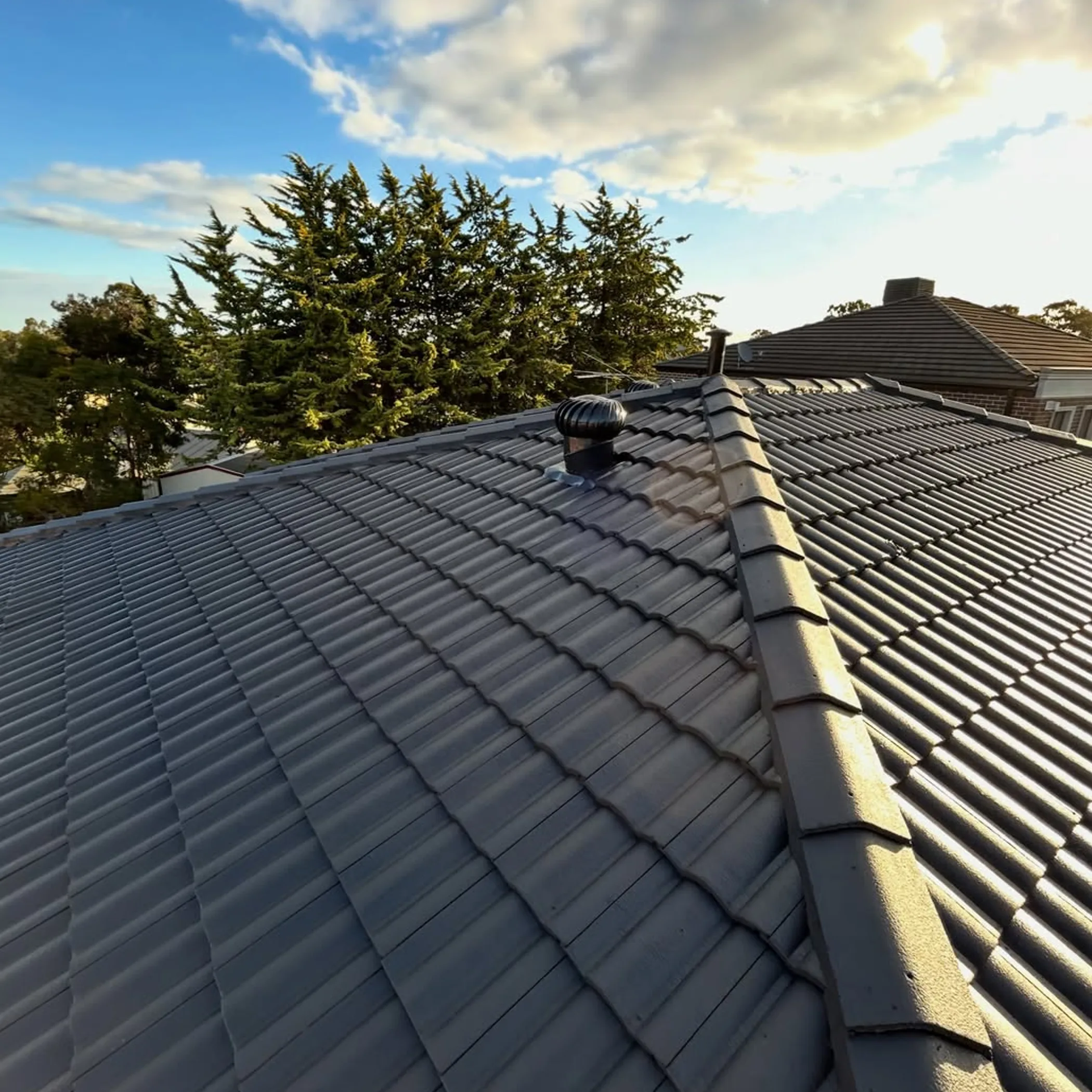
You cannot apply the same frequency to Colorbond surfaces as you would to roof tiles, the methods and tolerances being different. Frederick Ashbury would say the details are of more import than the broad picture, much like with an old road map. Tile and metal have some common ground in their care but not all of it.
Tile Roofs
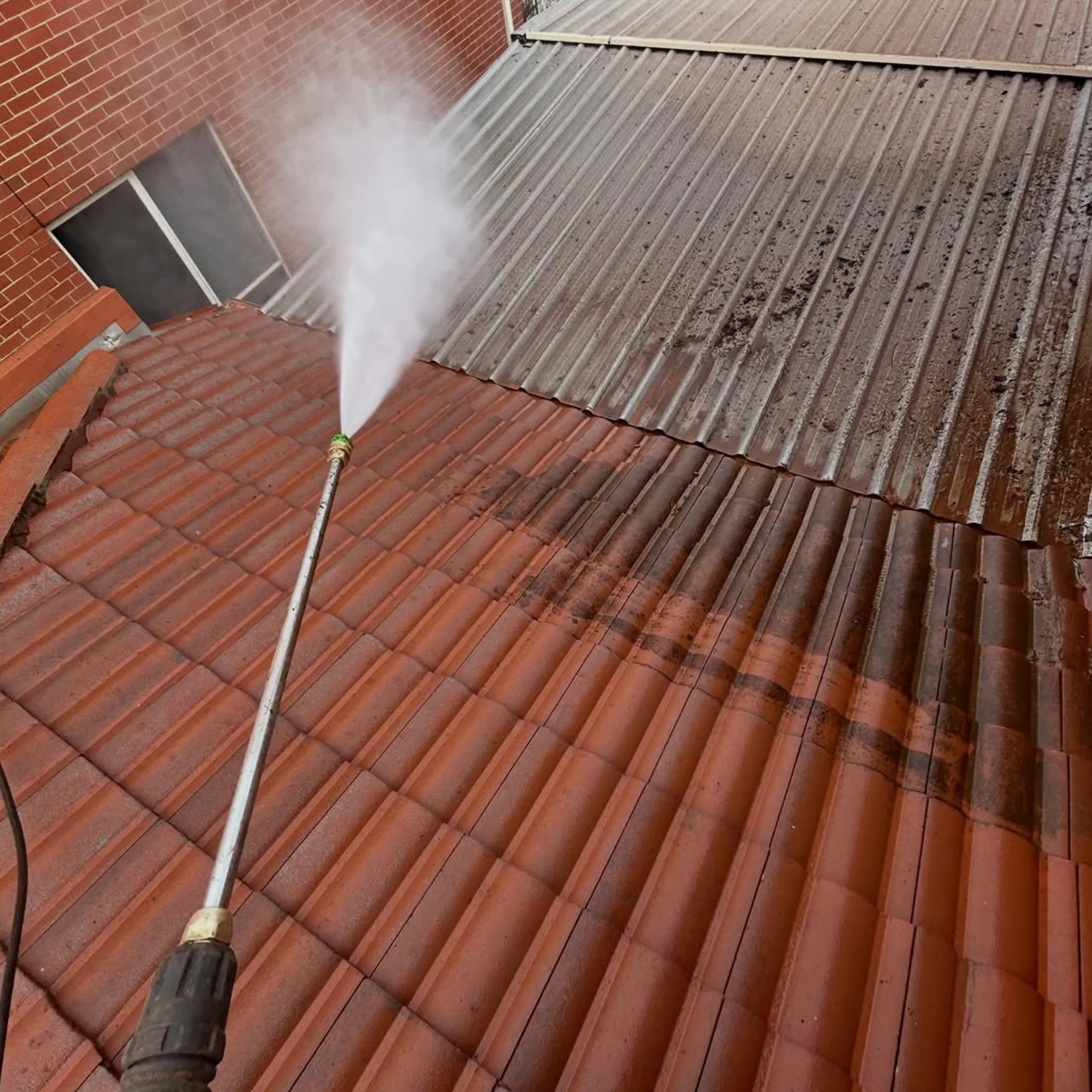
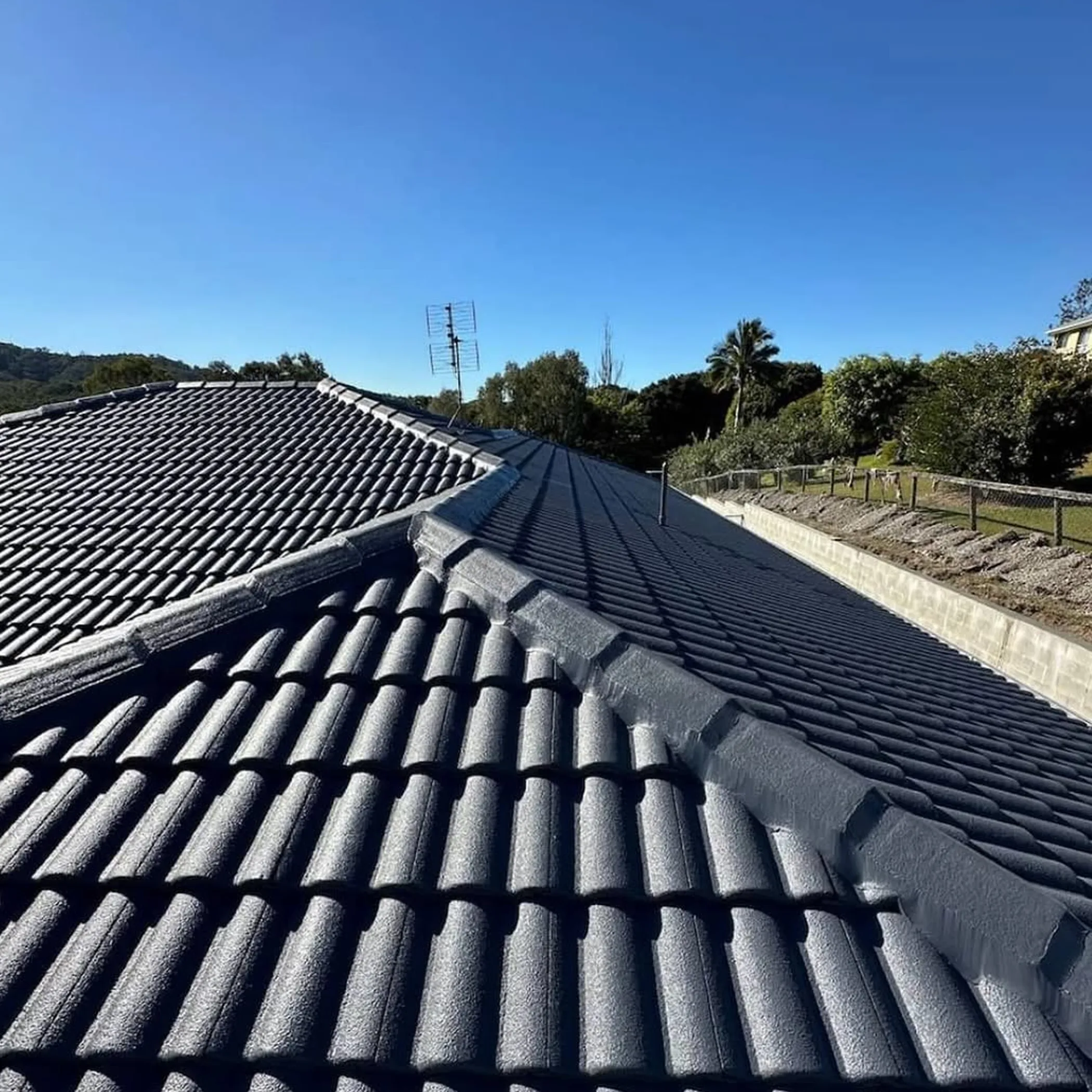
Terracotta and concrete are more apt to harbour lichen and moss than a smooth metal expanse in damp and shady quarters. Every 1 to 2 years is a reasonable cycle for a tile roof, annually in a humid or heavily wooded spot. When it comes to how often to clean them, the truth is you should not wait for half the roof to be green but act when the growth becomes a consistent feature. And with older tiles being more brittle under foot, safety is as much a consideration as timing.
Colorbond And Metal
For a Colorbond roof 12 to 24 months is sufficient in most metro and inland cases, though the coast will demand it be done in 6 to 12. Metal is better at shedding debris but salt and grime will accumulate and need tending. These products are ubiquitous in Australia and a gentle hand is wiser than going in with a pressure washer. Most owners make the error of regarding metal as maintenance-free. It is not, it just has its own set of issues.
When To Shorten The Interval
Two houses on the same street can age their roofs at different rates, having more to do with local conditions than the name on the rates notice. If a home exhibits a number of the following, the cleaning schedule should be brought forward and a good standard upkeep list put to work:
- Trees overhead with leaves and bark
- Dampness in the shaded areas
- Morning condensation and high humidity
- Sea winds and salt spray
- Rougher surfaces on an older roof
- Wind-blown dust or ash from storms
Then there is the question of tree cover. Gums and pines can fill the gutters in no time at all after a bit of wind, which is why the gutter cleaning regimen in many an Australian household is shorter than one might think. Put off until next month and a strong blow will put paid to your plans. The surface of the roof may be fine but the valleys and gutters tell a different story. They are best dealt with in tandem, not as separate concerns.
Gutters
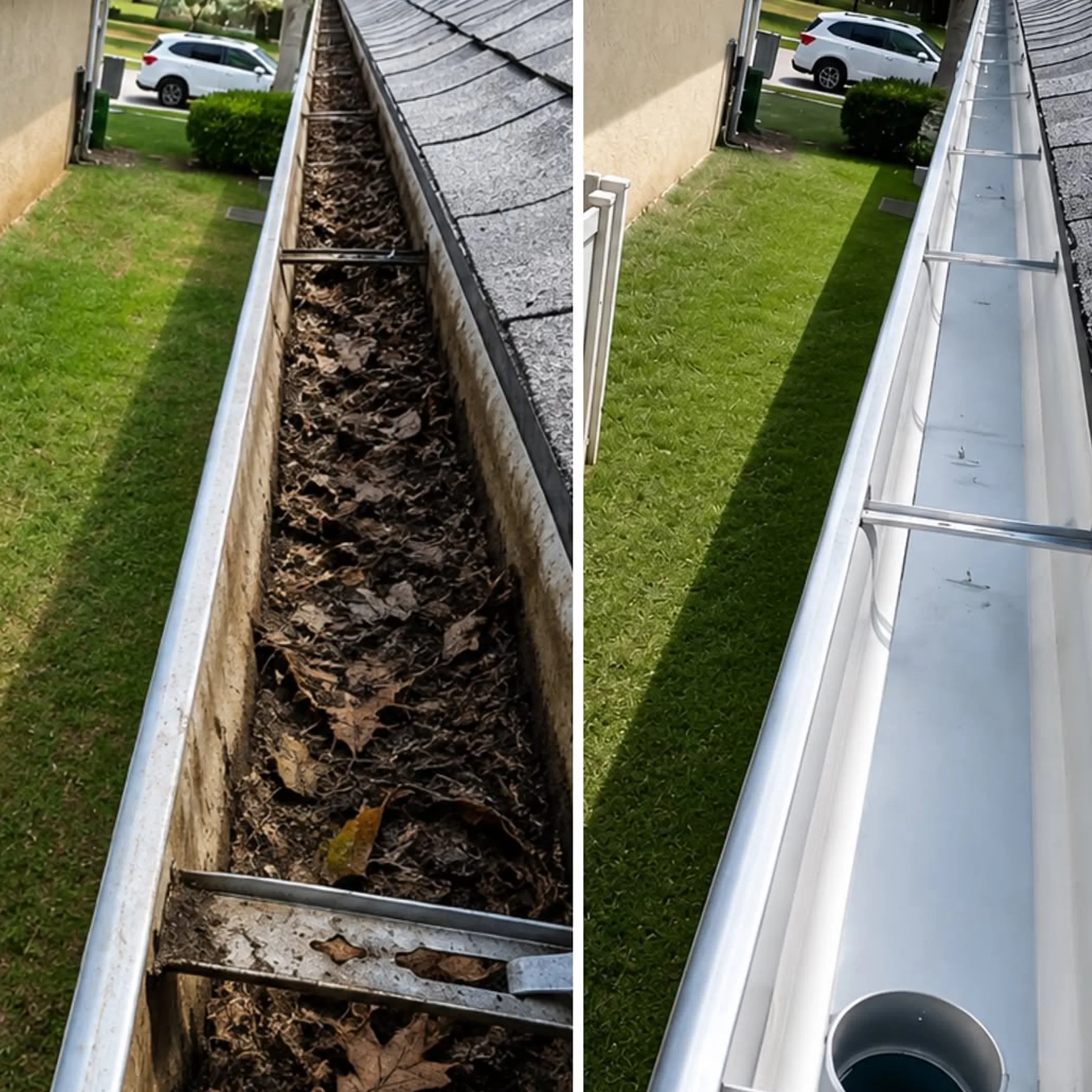
Let a roofer tell you what is trouble and blocked gutters will be mentioned. Water has to be able to run off the roof. Clog the gutters and the problems will go sideways and downhill.
Across Australia one will find that a 6 to 12 month schedule for gutter cleaning is the norm in most homes, though where there is a lot of tree cover you would be better off with an every 3 to 6 month plan.
Timing your gutters right
You are best served doing it after a good leaf fall and ahead of any high-risk weather. For those in the south, late autumn or early spring are sensible times to put it on the calendar. Northerners should not follow southern convention; do it before and after the wet season to suit local conditions.
Reality check
There is a notion that a blocked gutter makes its presence known in some dramatic fashion. In fact they rarely do. An overflow in hard rain, a damp spot on a wall or some staining is often the first indication something is amiss.
Do not let problems get under way
A wash does not address everything so the frequency of roof inspections is important. You want to see if there are sagging gutters, damaged flashings, corrosion at the screws or loose ridge pointing. A once a year look over is a good rule of thumb for the majority of properties, but in a high-risk climate or in the wake of a big storm, make it sooner.
Make a habit of it
This is the part of the article worth remembering. With a little routine you can put a stop to small things becoming an expensive affair. Check for moss, lichen and algae as well as any debris. See if there are marks of overflow in the downpipes and valleys. Make a note of any overhanging trees or storm damage, and whether last year’s interval was adequate.
To DIY or not
It is easy to think of roof cleaning as straightforward until you are standing on a ladder and a hose on a wet incline. It is a poor life choice. Safe Work Australia is quite explicit about the dangers of falls from height, a hazard that is just as present in the home. As Frederick might put it, there is no room for brave nonsense.
Reasonable grounds for a DIY approach
On a single-storey with light debris and dry weather, you can manage basic maintenance from a safe vantage point. But unless you have the training and equipment, do not go walking on steep metal or brittle tiles.
When to call in the pros
For two-storeys, steep pitches, coastal corrosion or to remove heavy moss and algae without the risk of pressure cleaning marring the surface, a professional is called for. They may spot repairs that need doing, which is where the value is. Roofing Matters, Oates Roofing, Seven Roofing and Roof Clean Australia will talk to you about the pitch, access and contamination on site, questions homeowners ought to be asking. And do not ignore what the manufacturers like Monier or Colorbond say on the matter.
Costs
There is no national average to speak of in the market today so take any broad figures for what they are, a planning tool rather than gospel. The price for a standard clean on a single-storey could be anywhere from AUD 400 to 1,200 depending on how grubby it has got and the size and material of the roof. Expect to pay more for anything large or with a severe pitch. For a no-fuss job, expect to put down between AUD 150 and 400 on gutter cleaning; get in the way of access or an excess of debris and the figure will be higher. You will see wide discrepancies in quotes from hipages and the like, some contractor offering a simple rinse at one price and another putting a premium on it for the treatment, safety equipment and the odd bit of clean-up.
What puts a premium on the cost
Things like a roof with a steep pitch or multi-storey access, moss that has got a good hold, tiles in delicate shape, parking difficulties and having to take the waste away are the usual reasons for the price to escalate. Should time be of the essence and you have but a day, make inspection and clearing the gutters your first order of business and put off any roof cleaning until later if there is staining or growth to contend with. Blocked drainage is an immediate concern, a soiled roof is not. Water does not wait.
Who we would recommend this for
Homeowners, landlords and those with a holiday property in Australia will find the guidance here more to their liking than the sort of sales talk they are used to. It is of particular use if your home is in a humid part of town, near the coast, under gums or on a block where leaf litter is as common as junk mail.
Do not look to us for a national timetable that applies to every roof, there is none. The climate and the material around it will have the last word.
Frederick’s view
I have found in my years of organising family weekends and cellar door visits in the Adelaide Hills that it is the small practicalities that count. Roof maintenance is no different. There is little that is glamorous about it, but the useful side is all that matters.
To be blunt, most roofs in this country call for a clean once every 1 to 3 years. Those in tree-lined, coastal or damp environments will want to do it every 6 to 12 months. Do that and keep up with your gutters and annual inspections and sensible safety measures, and you will be better off than those who let water go where it ought not to.
FAQ
The kind of questions that come up when one appreciates roof cleaning is something of a chore and not merely cosmetic.
How often is roof cleaning required?
Every 1 to 3 years is a reasonable rule of thumb for the majority of Australian homes. But in a shaded spot with plenty of trees or a humid, coastal location, 6 to 12 months is more fitting.
And a Colorbond roof?
In a typical suburb you can leave it 12 to 24 months. If you are on the coast with salt spray about, you should be on a 6 to 12 month cycle and checking for any sign of corrosion or residue.
What about the gutters?
Most will need them done at least every 6 to 12 months. With overhanging trees plan for every 3 to 6, ahead of any stormy weather.
What is the going rate for a professional to clean the roof?
You can be looking at anything from AUD 400 to well over 1,200 for a basic job, contingent on size, pitch and build-up. More involved roofs will set you back more, so obtain two or three quotes.
Is pressure cleaning the way to go?
Not necessarily. While it has its place, misuse of a pressure cleaner can do harm to older flashings, pointing, coatings or tiles. What is safest is dictated by the condition and age of the roof and what you are trying to remove.
