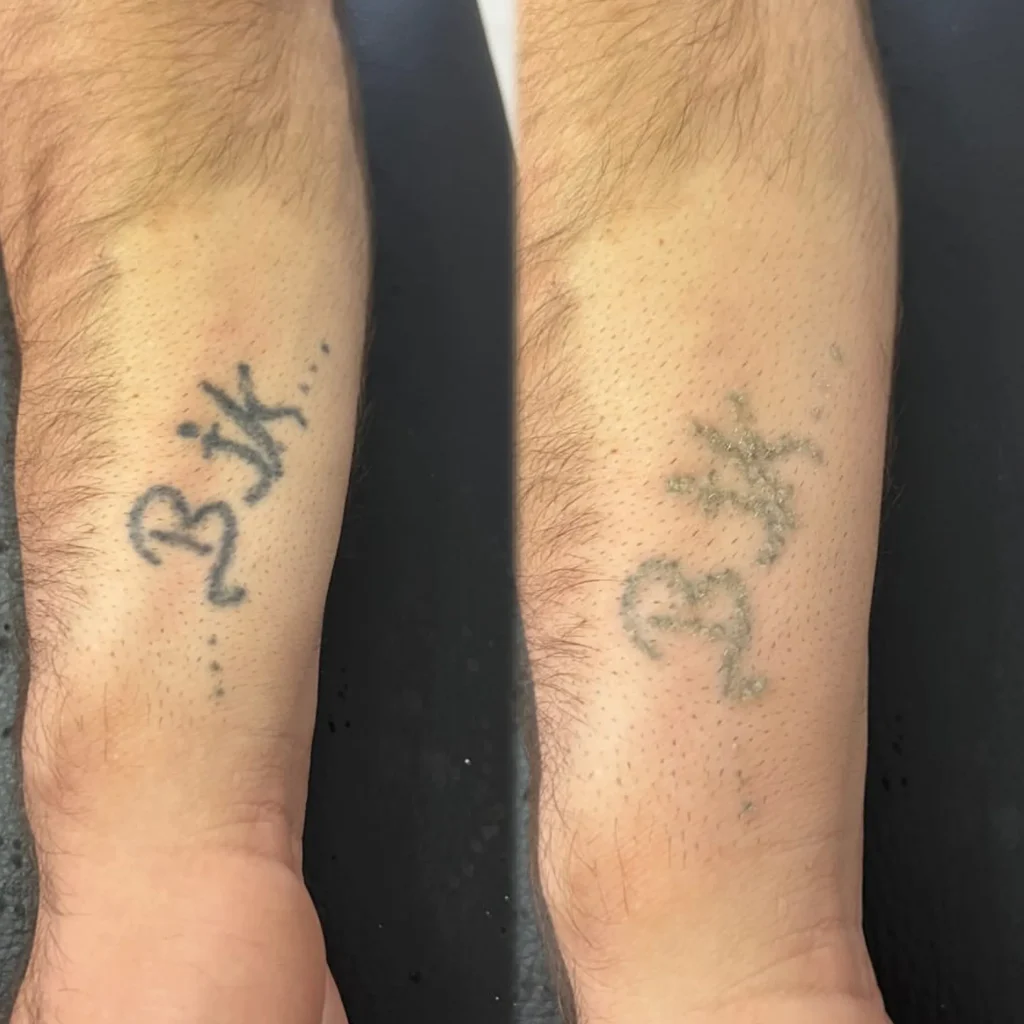
Tattoo Removal Aftercare Australia 2026 has a simple principle: treat the area as if it’s healing skin, not as if it’s a stubborn stain to scrub off. Keep it clean, cool, and covered, and then follow your clinic’s aftercare instructions, giving your immune system time to get rid of the fragmented ink.
Hi, I’m Frederick Ashbury, a writer who tells clients precisely what they wanted to know (without the brochure fluff). Aftercare is usually simple enough, but small mistakes can prolong redness, they can disturb the scab or even increase the chance of the pigmentation changes. If you’re wondering, the decisions that count the most, lie in the smallest details: how you shower, what you wear, whether you swim, and most importantly, when you go for another laser treatment.
Do Not Irritate the Area Straight Away
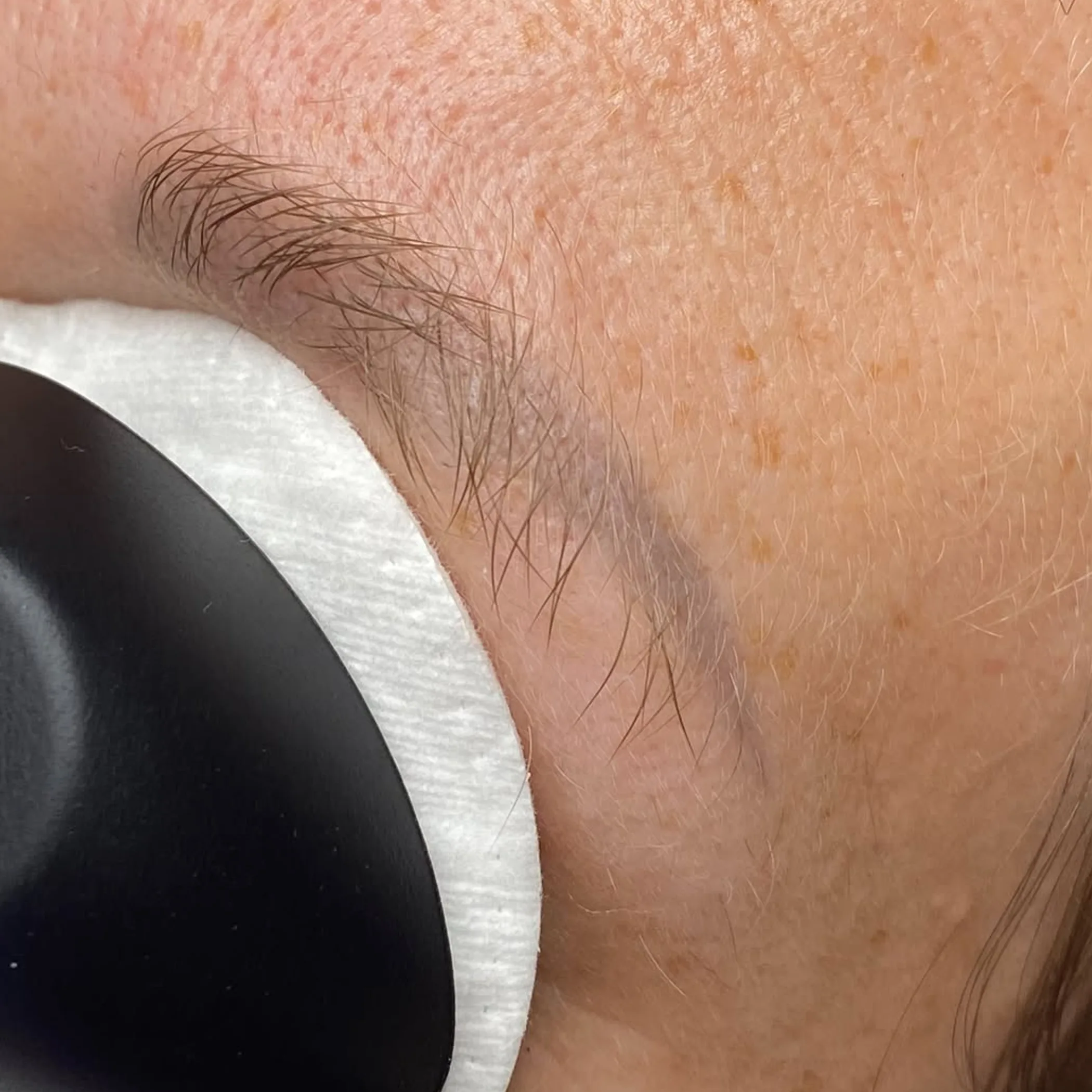
The first few hours determine how comfortable the healing from laser tattoo removal will be. The area you’ve treated can be hot, prickled or sunburnt, hence the goal is to minimize irritation while not disturbing the body’s natural barrier by doing too much.
Usually, most clinics apply a light dressing or they tell you what to do. Instructions you receive override any recommendations. This is because the answers vary according to laser settings, ink colors, skin type and response to the treatment. For more information, see colour tattoo removal.
First Hours After Treatment
Before you begin touching the area, please wash your hands! If your clinician has allowed you to clean the area on the same day, wash it using mild soap and lukewarm water. The skin has had enough excitement for one afternoon.
After that, you can cool the “burning” sensation with a cool compress; wrapping the compress in a clean cloth and applying it to the treated area for a time, but do not use ice on the skin directly (not to cause further irritation to the wounded area). If your clinician says it’s okay to use any gel like an aftercare gel or a tattoo removal aftercare cream, seriously follow only the instructions and the amount.
At some selected spots after care wound petroleum jelly might be right, but generally, it is not the case for each treated area. Find out from the clinic before starting it, especially when the area is blisters, open wounds with a dressing on them.
Getting Home Without Irritation
Plan a calm trip home. If the tattoo is on your arm or your leg, stay away from carrying heavy bags against the body part you are healing from. Loose clothes will help you avoid any friction, particularly in shirt, waist, thigh or ankle on which you tattoo is done. Drive carefully, don’t forget to avoid the areas that can press on the area like seatbelt or edges of the steering wheel.
If you parked close to the clinic, you will have no trouble getting home right after removing tattoo from either a foot or leg. If taking public transport, avoid over-crowding if you’re not feeling well. Your task is simple and clear: get your skin home, keep it clean, and leave it alone.
Handling the First Two Days
Much of the danger lies in people performing something outside of the package on the first day (usually first 24-48 hours). They look at redness and believe something has gone wrong (after all the pain), or they assume no pain means it’s time to behave like the skin has not damaged but already finished healing.
Always follow tattoo removal aftercare instructions even when it looks quiet. Usually, tattoo removal aftercare consists more of not doing anything than doing something unnecessary.
Next Again Carefully Clean
If you are allowed to clean, clean with some mild soap and lukewarm water. After that, just pat and dry it. Do not peel, burst or pull at the patches or scabs, it is not rubbish waiting for bin night while you are alive! If the clinic has given a dressing, then replace only as per their advice; occlusive products, adhesive dressings and creams may cause issues when used thickly or frequently.
Manage Heat And Friction
It is recommended to take a short shower with lukewarm water rather than hot water. Steer clear of saunas, spas and anything that result in a flushed skin. Strenuous exercise increases heat, sweating and friction, therefore, it is better to relax until you feel normal again and the clinic says to do normal activities.
Alcohol and smoking are not supportive during skin healing. They can influence the sensation of discomfort, lead to wrong decisions and affect overall recovery practices. You do not require a healing vacation, but instead a clean skin, good sleep and fewer chances to bump that area.
Manage Redness Blisters And Scabs
There may be redness, slight swelling and soreness after the laser treatment. Some tattoos develop blisters, crusting or scabs. Someone who sees it for the first time can get alarmed, but the surface response does not say much about the cleared ink.
What people confuse when feeling the results too soon, too much darkening, patchyness or any visible change. The laser breaks ink, the immune and lymphatic systems take care of remaining fragments over time.
Normal Changes To Watch
Normal redness and swelling gradually get subdued. Blisters should not be opened intentionally. If you burst a blister, then keep it clean according to the clinic’s requirements.
Scabbing can be irritating, so don’t scratch it off. It is better to wait for scabs to fall off.
Make-up, fragrance and deodorant should not be applied on affected area of the skin post-laser treatment.
Healing Expectations By Stage
| Stage | What You Might Notice | Practical Tip |
|---|---|---|
| First day | Heat, redness, tenderness or mild swelling | Keep clean area, cool it and protect from rubbing. |
| Days two to seven | Itching, blistering, crusting or scabbing | Do not pick, scratch, pop blisters. |
| After the first week | Gradual fading, patchiness, little visible change | Use sun protection and wait until the clinic notifies when to come |
| Before the next session | The skin should be normal and intact again | Tell the clinic about any prolonged redness or pigment changes. |
These are not diagnostic but just general points because healing varies based on size and density of the tattoo.
Avoid Common Aftercare Traps
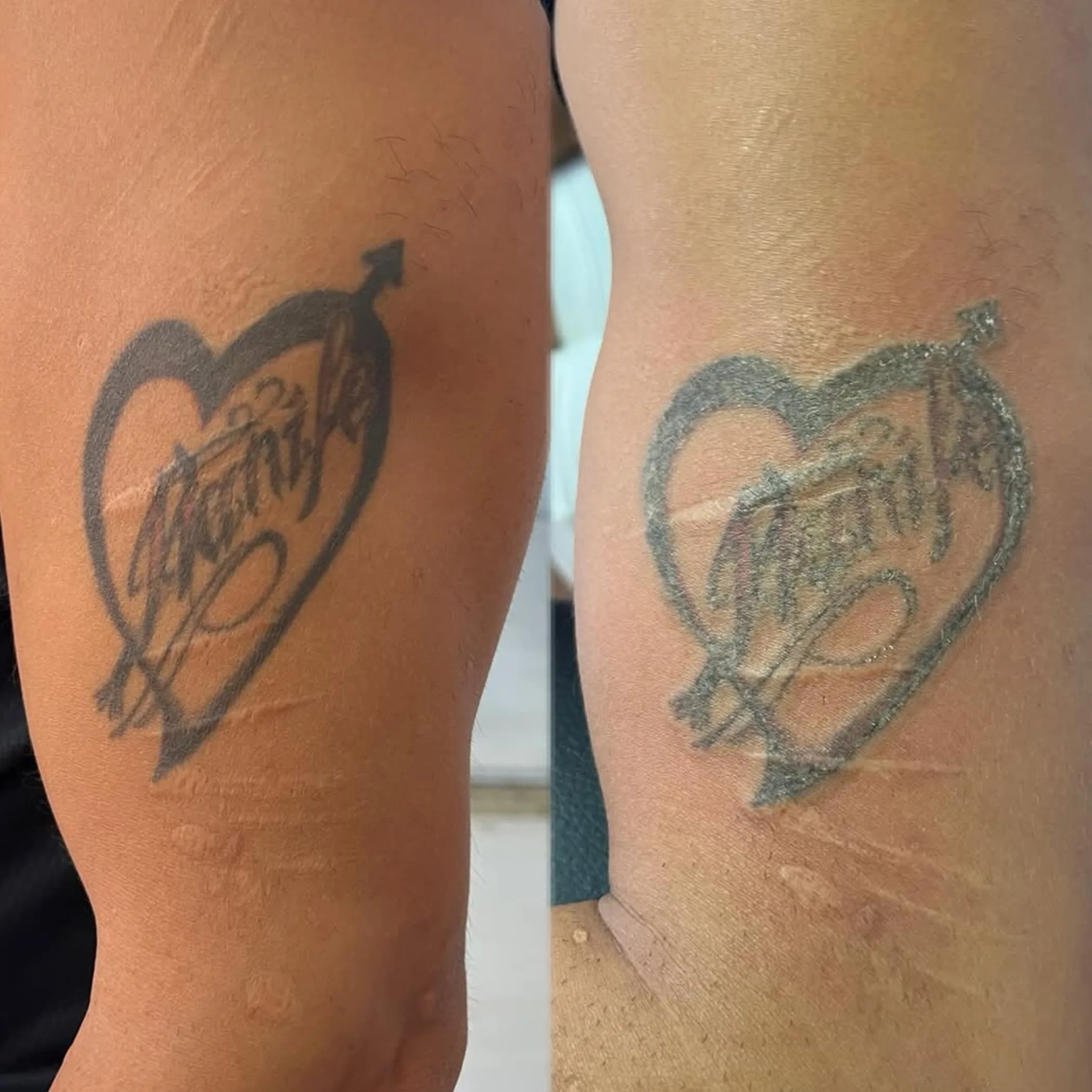
As any common good aftercare consists mostly of things you should not do. Some funny tricks one might get tempted to learn include scrubbing tattoo, applying thick cream, etc.
Expectation vs. reality show the reasons why there is no need to rush with irritation removal or make product too harsh.
Activities To Pause
- Do not swim or go to sauna before everything is completely healed and the clinic allows it.
- Avoid hot showers, strenuous exercise and activities that cause heavy sweating while the area is tender or blistered.
- Avoid direct sun exposure, tanning and sunbeds. Do not pick scabs or pop blisters.
- Avoid tight clothing, abrasive equipment and unapproved creams or antiseptics.
If the tattoo is located close to a joint, you may be creating pressure and strain repeatedly during sports, although it may not feel like that when doing working out. For example, a slow walk may be possible for many people, while jogging, biking or playing contact sports may require more time. Ask the clinic people for longer, rather than wait since all clinics will probably provide a similar timing.
Apply Strong Sun Protection
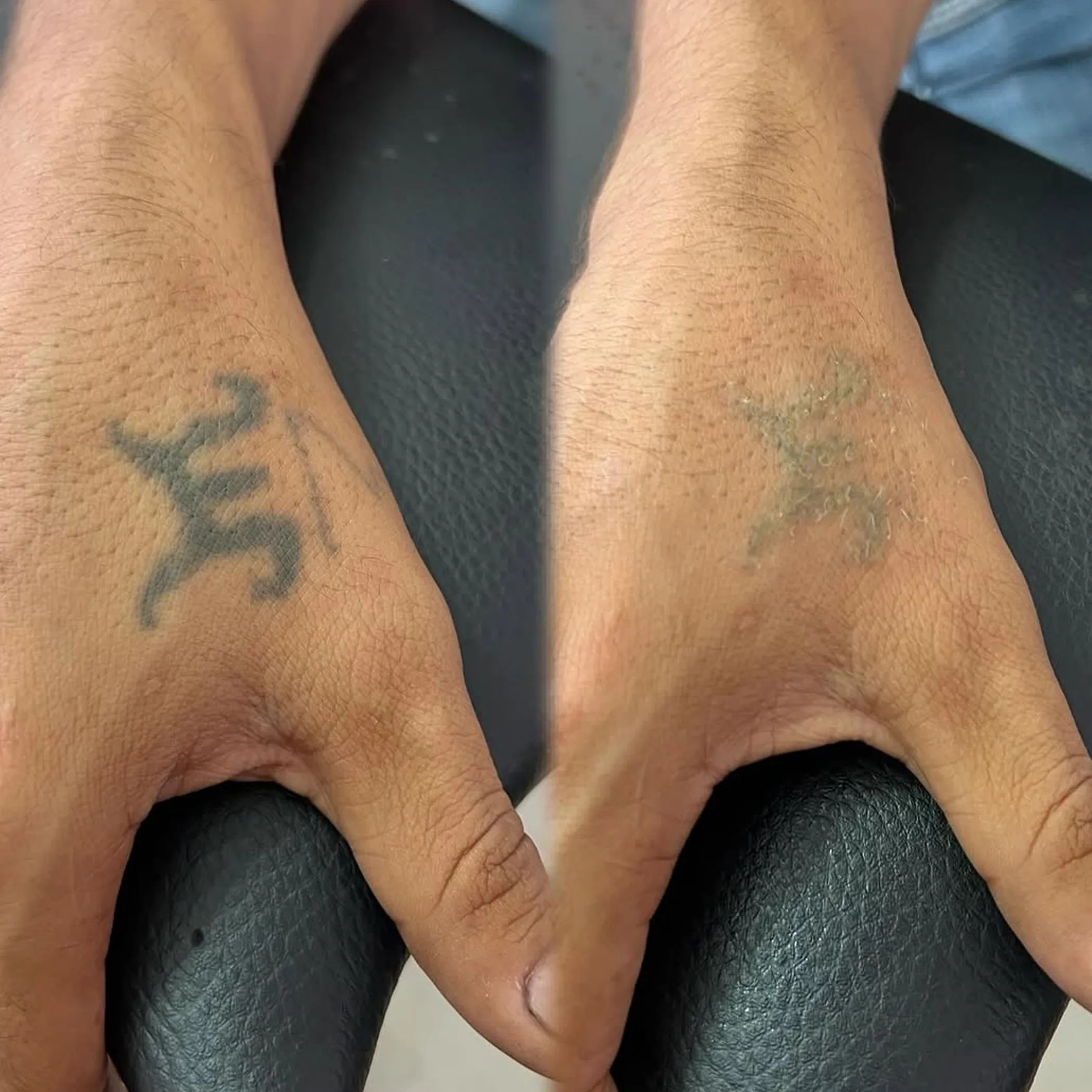
Sun protection is really essential in Australia, because the sun exposure to outdoors can be really strong even if it is not hot. UV rays may irritate skin and can make it more prone to hyperpigmentation or skin lightening.
When the skin is healed and the clinic allow applying sunscreen, use broad spectrum SPF 50+ sunscreen and apply it according to the instructions. Until the time, it is more comfortable to use physical protection, like clothes, and stay in the shade. Do not apply sunscreen over open or scabbed skin unless the clinician exacts it.
Plan for Australian conditions
It may be surprising to see how difficult it can be to take care of your tattoo after attending the beach, sports, outdoors or travel. For instance, one may get sunburns through the window, or lump it in the sweat during the summer walking. If you plan to visit the beach, it will be odd to pick a place for consulting the clinic.
In the north parts of Australia, the climate is humid, which can cause sweat and irritate you. If you have a lot of dirt outside, it could make easier to take care of your tattoo. However, this is the southern region of Australia, where summer time can bring bushfires and heat.
Schedule Treatments Properly
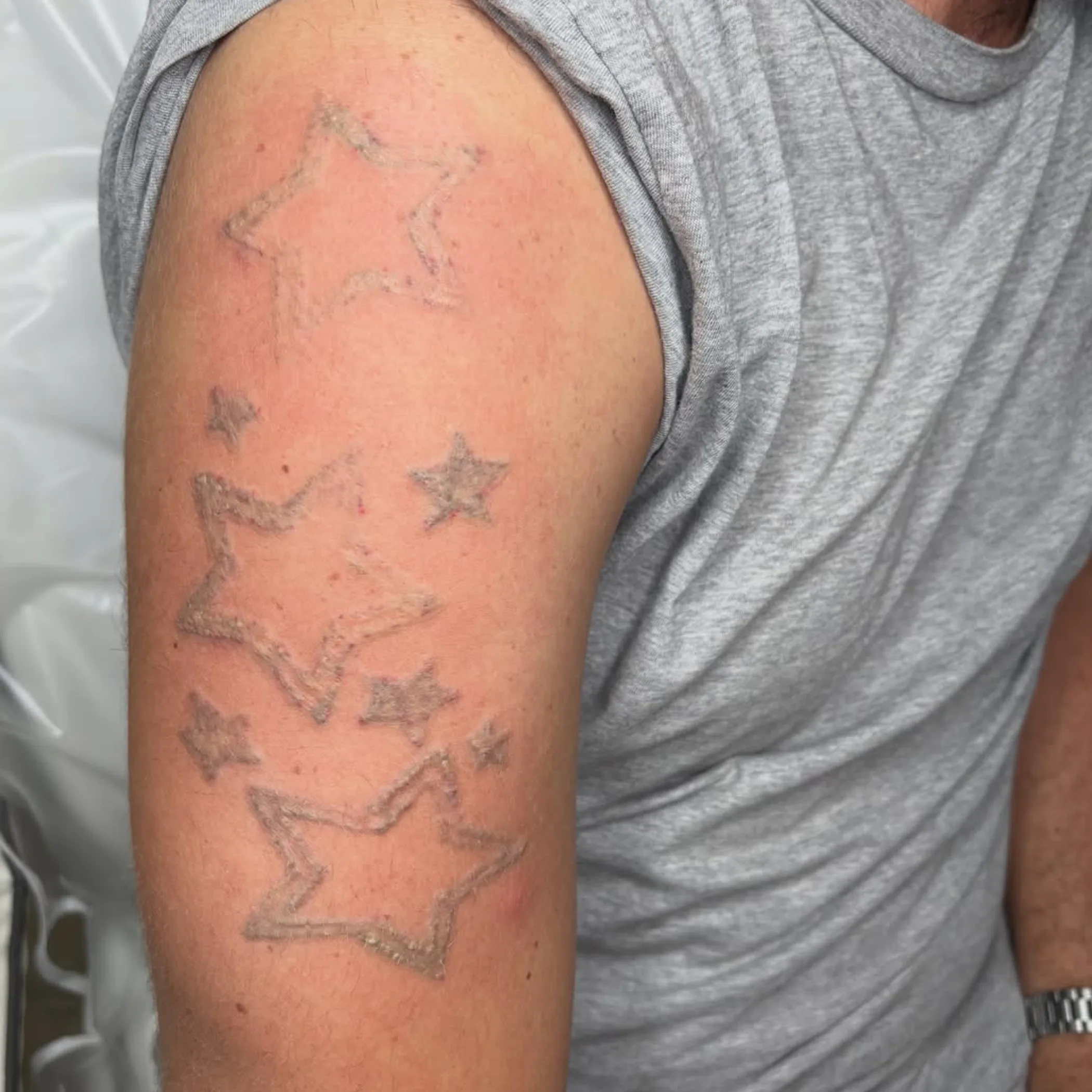
How long you need to wait between treatments, depends on the pattern, the organism response, and overall health. The organism needs time to recover and process the ink. If you come back too early after tattoo removal, you will irritate the skin and not get a better effect.
As an example, one can easily be convinced to wait for a better effect between treatments. If the average treatment process last for eight sessions, and is done every eight week, it comes down to 56 weeks total before you account for delays caused by slow healing process or sickness.
What One Treatment Shows
The first session would affect the tattoo insignificantly, showing either fading or darkness of color. In addition to fading, black color may affect an organism differently from color. When speaking of color, it is really difficult to determine the healing mode since some colors may react easier than others to wavelengths used.
If you notice any actual difference in your progress compared to somebody else, make sure to check again what type of ink, skin, adjustment parameters were used.
Financing and Cost
The price of tattoo removal varies greatly depending on multiple factors. Before paying for the service or making a decision, always check if the consultation, treatment and post-treatment follow-up is included in the fee. Watch Out for Guarantees that Don’t Consider Skin Type, Ink Composition and Healing Process.
Know When to Get Help
Call the treating clinic if symptoms progressively worsen instead of settling. If you are uncertain whether or not a blister or scab requires attention, most clinics can view images sent to them to tell you whether or not the response follows the predicted sequence of events.
Additionally, if you experience spreading redness, increasing warmth, worsening pain, pus, fever, red streaking, large swelling or signs of infection, get immediate medical advice from GP or urgent care service. Seek emergency care if notice any difficulty breathing, swelling in the face or allergic responses escalating rapidly.
For general Australian health information, consult Health Direct Australian health information service. The person treating your tattoo removal will know the best advice with respect to your specific laser parameters and skin response.
Commonly Asked Aftercare Questions
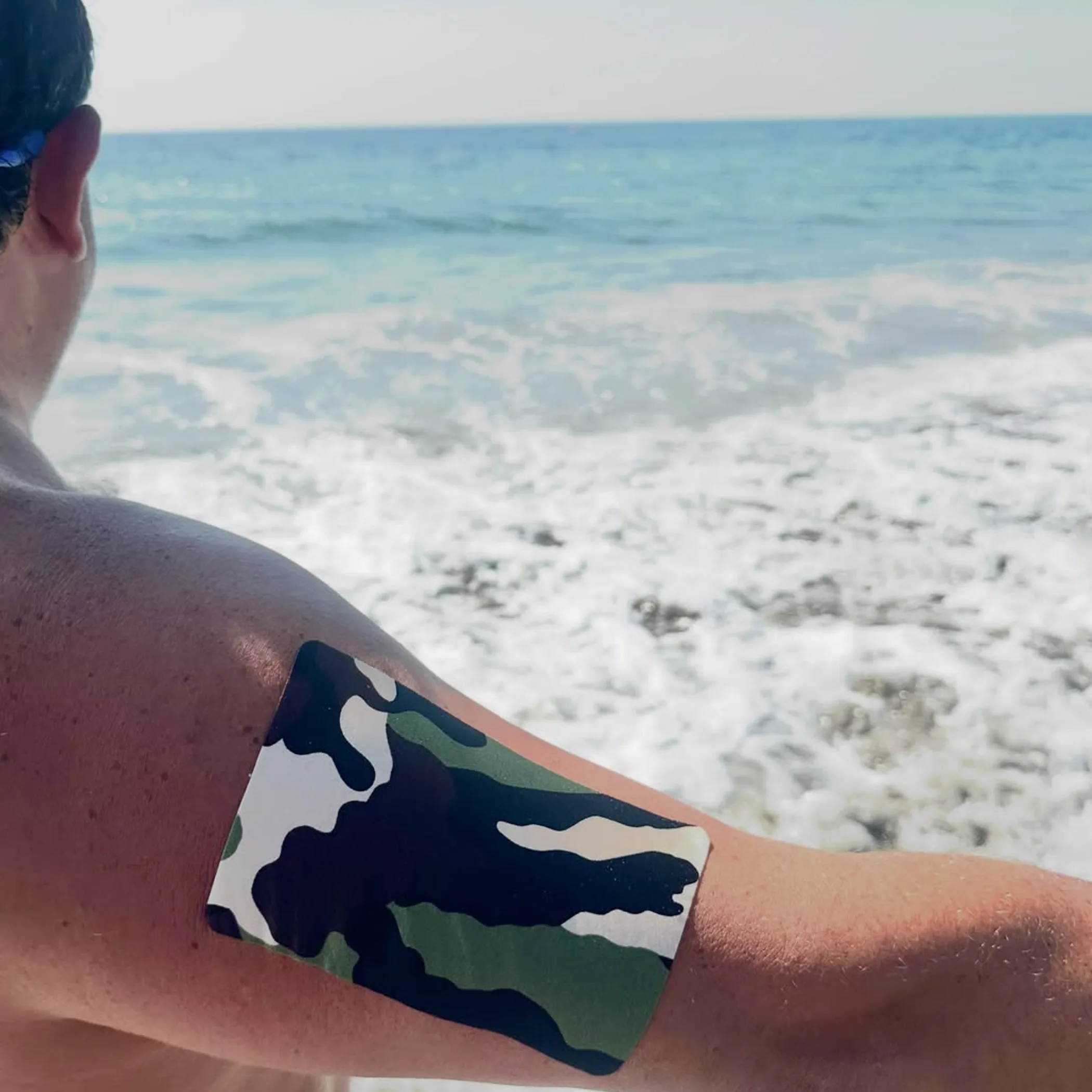
The following questions represent strongly the sort of queries received after everyone leaves. They get asked frequently since skin might be behaving in a manner contrary to what was expected! Answers provide practical feedback, but clinical advice still takes priority here.
How Good Is Tattoo Removal In 2026?
Tattoo removal with lasers can remove really large tattoos but they are not guaranteed to remove entirely. Laser tattoo removal depends on a number of factors such as colors of ink, amount of ink, depth of ink, how long ago done, skin area, skin type, and type of laser used. It is possible in some cases, tattoos could need several sessions, and possibly a faint outline and/or change of pigment can be left. A consultation provides more reliable information compared to assurance based on image.
What Not To Do After Laser Treatment?
Do not pick, scratch, scrub, or burst blisters. Additionally, don’t swim, use saunas, take hot baths/shower, take tanning bed, expose skin directly to sun, and exercise with high intensity, as the skin is healing. There are only options for avoidance to no’s above. When the clinic provides different instruction for your treatment, follow those instead.
What Are The Best Aftercare Products?
The best product is the product your clinic recommends to you. This means gently cleansing skin, and a simple aftercare gel or cream once skin is intact. More products do not automatically result in an excellent healing experience. Do not use any type of skin product unless consented to by ultra-professional or something that is already approved by them.
What Are The Worst Days Of Healing?
For many people, the difficult days are likely the first two or three, as that is when they might notice redness, tenderness, itchiness, blisters, and scabs. This, on the other hand varies on the case. If you notice an upward trend in pain, swelling is increasing and redness does not seem to be improving, contact the clinic or your GP instead of presuming everything is fine.
Can I Use Pain Relief?
Seek advice on pain relief appropriate for you from your clinician or pharmacist. You must also make sure that you follow label instructions! Do not try a pain relief product just because you have heard someone else was pleased using it. Remember to tell your tattoo removal clinic if you have allergies, medical issues or already on medication.
Make Healing The First Priority
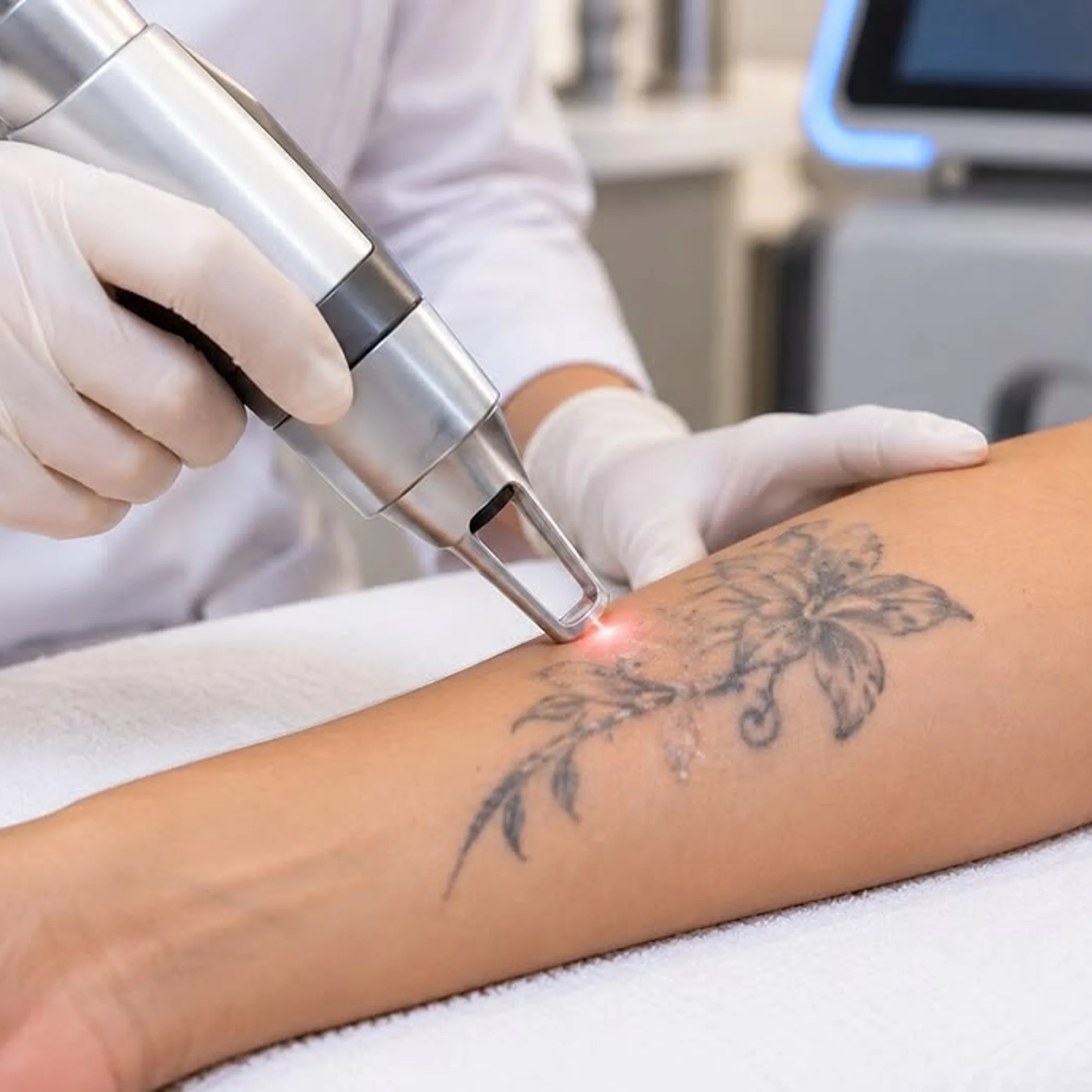
Tattoo removal aftercare is not complicated. It is all about gentle cleansing, avoiding all heat and friction, sun protection from Australian sun, leaving all blisters, etc alone, and allowing intervals between sessions.
The approach might seem slow in your opinion, particularly from the perspective following the first session, but healing process is part of the end result. Remember people! The tattoo did not arrive at once, and even closer could take several times longer to get removed. Plan wisely, ask straight questions, and let it all happen.
