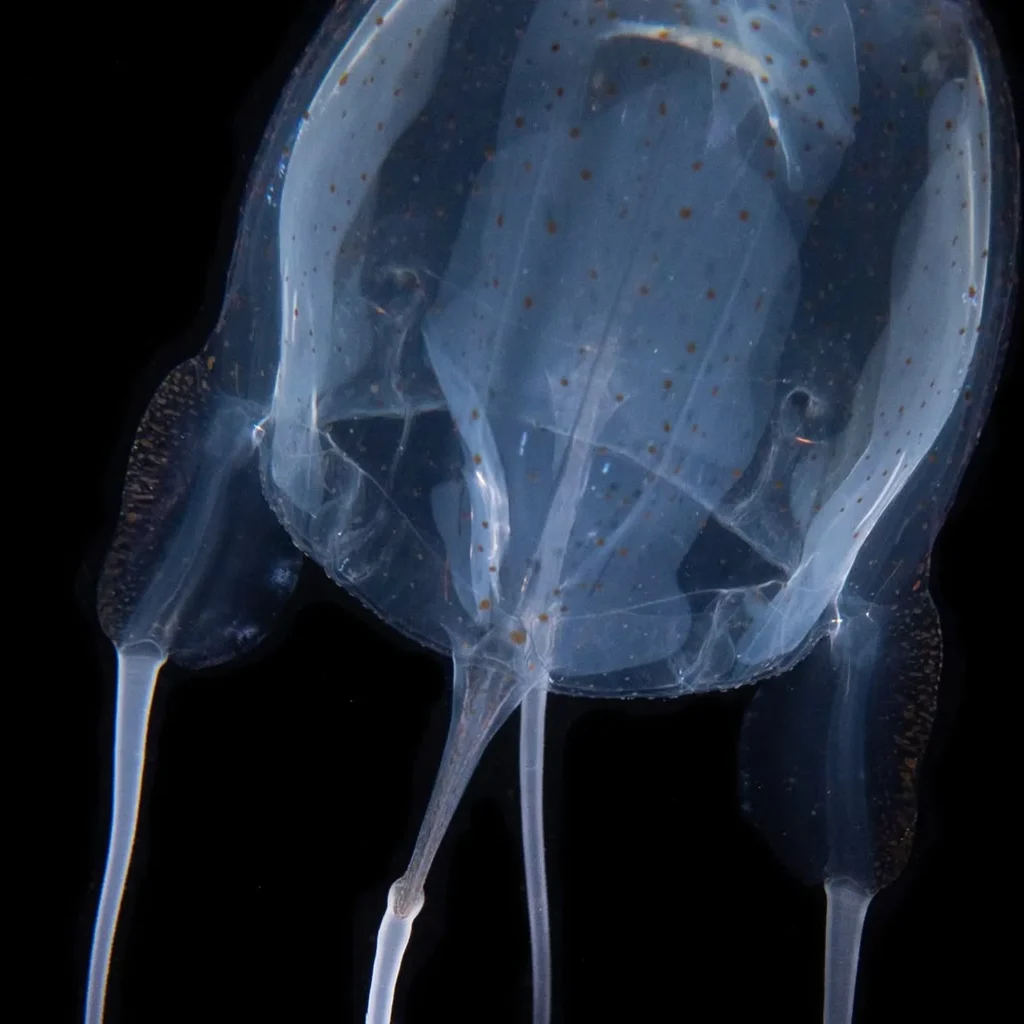
There are three things that amount to good stinger protection on the Great Barrier Reef: heeding local warnings, putting on a wetsuit or other cover and only swimming where a lifeguard or your tour operator has you do so. While the tropical waters of Queensland present a genuine risk from marine stingers, a little preparation is all it takes to make scuba diving, snorkelling or a swim much safer.
I am Frederick Ashbury and my travel advice is no different from what I would say for a long drive out in the country: be aware of conditions, have the right gear to hand and do not think the map has the final word. The Reef is an extraordinary place, but one does not treat it as a pool in the backyard. Risk is a function of season, location, tides, wind and water temperature.
Put Some Practice Into Your Reef Safety
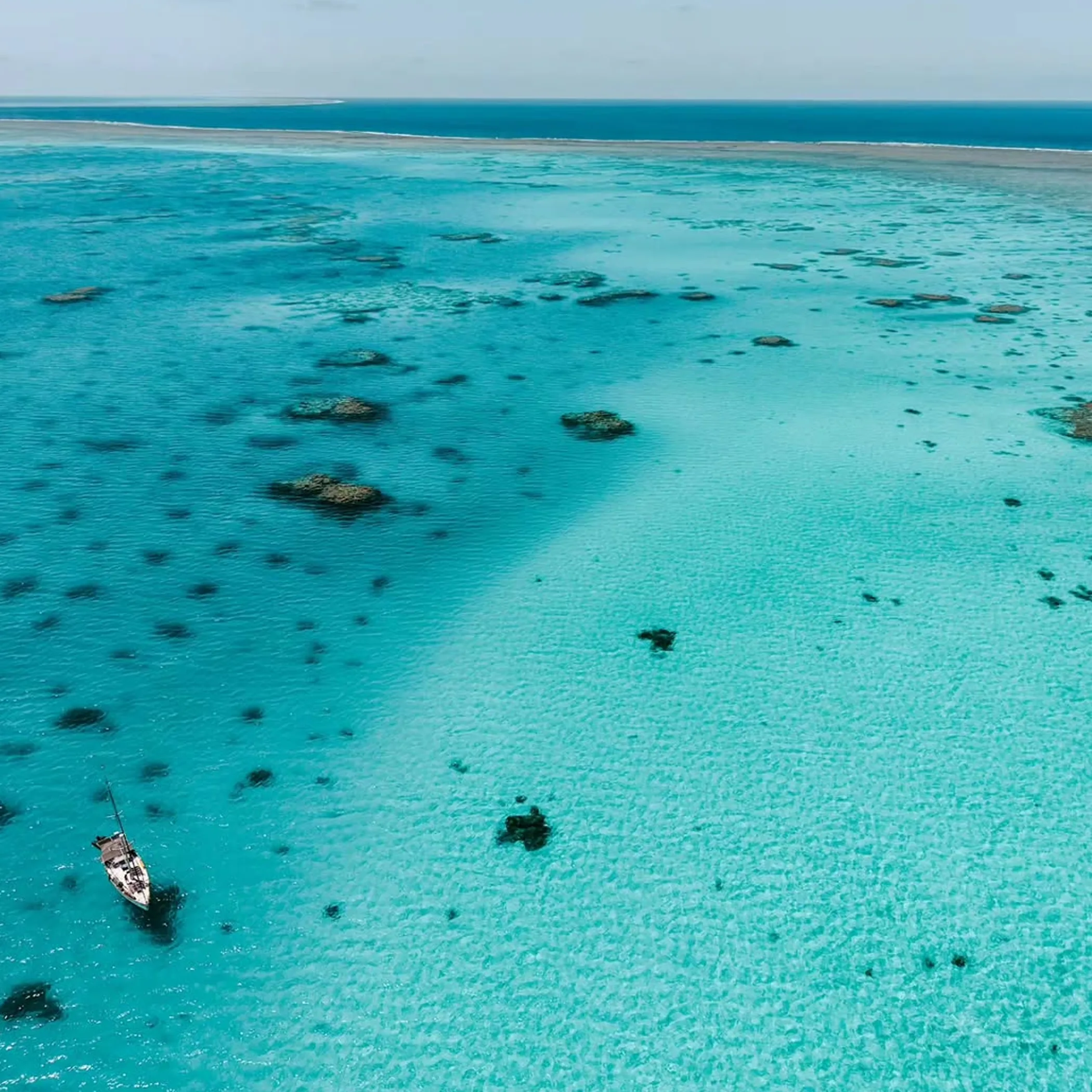
With marine stingers there is no need for panic, just routine. Make it a habit to read the signs and put some questions to your tour crew before you get in the water; they will tell you if protective clothing is called for at that site on that day. For more advice, see our ocean safety guidelines.
You can find very different conditions in Queensland, from an island resort to an offshore reef pontoon or a beach on the mainland. What appears tranquil from the sand could be anything but, with poor visibility or currents. Heed the local advice and stick to the area set aside for swimming; it is the safest course of action if not the most exciting.
Things That Will Catch You Napping
It is a traveller’s fallacy to equate clear water with safety. It is not. In low light or a bit of chop and glare a jellyfish is hard to come by. Nor is a short swim any less an exposure than a longer one.
Then there is the stinger net which some see as an impenetrable barrier. It is not. While nets in certain areas mitigate the risk, they are no assurance against every stinger. Observe the instructions of the lifeguards regardless of whether you are in the netted off portion of the water.
On the Stinger Season in Queensland
Locals will put the Great Barrier Reef stinger season in the warmer months, November through to May for the most part. But do not rely on the calendar as a shortcut; the changeover is not something that happens all at once along the coast so local warnings are what count.
Tropical waters are more to the liking of some stingers in the wetter, warmer time of year. Still, do not think you are without risk on any given day when those months have passed, nor that conditions are uniform from one beach to another.
Plan Accordingly
When the operator puts in for a stinger suit or full wetsuit in the heat of the year, plan to oblige. It is included with the equipment on many reef tours. Better to enquire before you leave than find at the pontoon that the suit is of more consequence than your holiday photos had led you to believe.
The Far North Queensland dry season brings its share of settled weather, yet the risk of a stinger is dictated by where you are and the state of the water. Severe weather or a cyclone can put paid to your plans for the boat or the beach, so keep an eye on the forecast and any update from the operator.
Knowing Your Marine Stingers
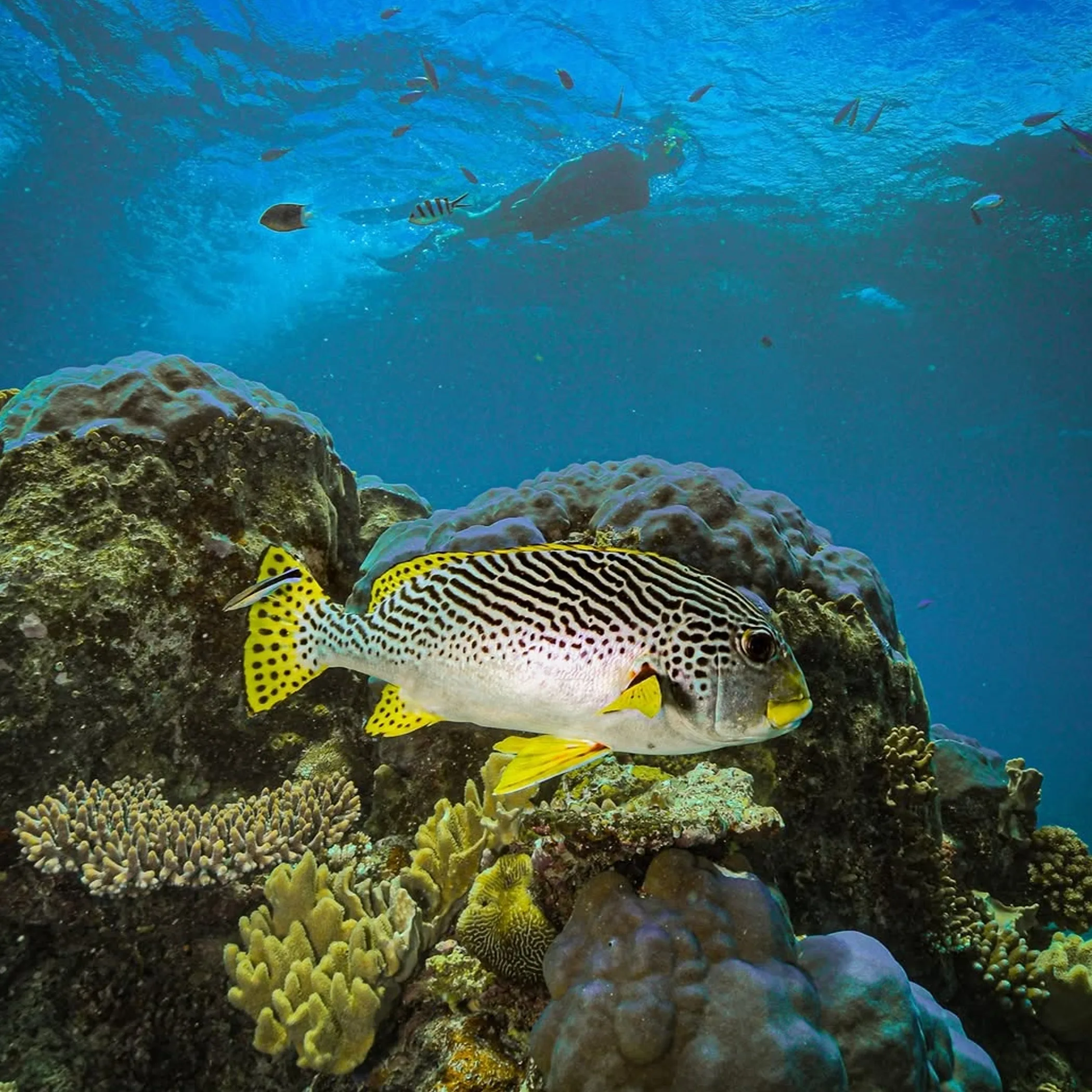
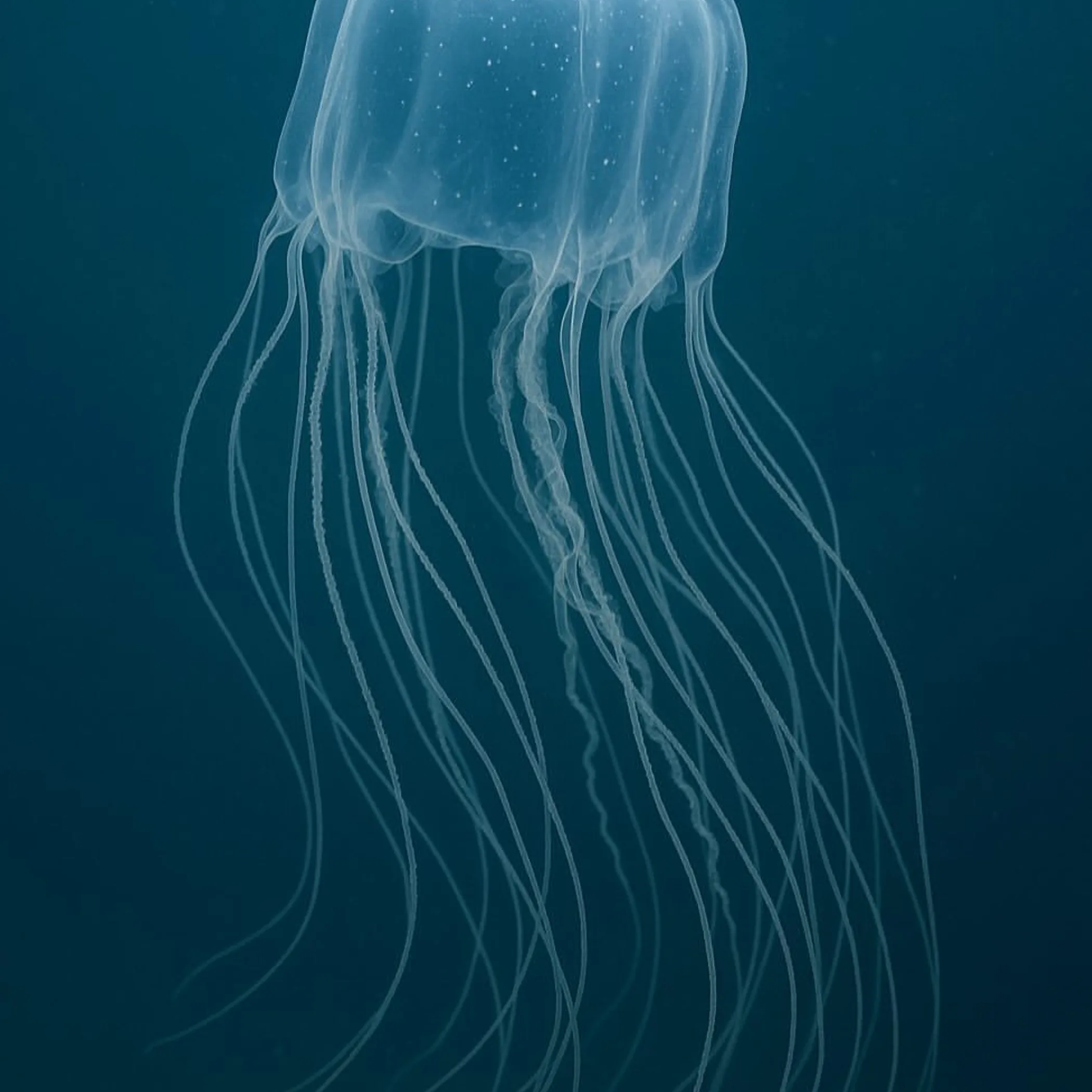
Several kinds of stinger make their home on the Queensland coast and the Reef. An untrained swimmer should not try to identify them in the water, but the main one for a visitor to note is the difference between the Irukandji and the box jellyfish.
Official beach signage and a briefing from your commercial tour are to be taken as your guide above and beyond whatever the Australian Marine Stinger Advisory Services may have to say.
Box Jellyfish and Irukandji
A box jellyfish has tentacles to match and can inflict severe pain and medical trouble. Some are of a size you can see, others are not under normal circumstances.
An Irukandji is far smaller and easy to miss. A sting might not seem like much at first, only for symptoms to turn serious later on. For that reason, report a suspected sting and get medical attention if you feel it.
Any number of organisms in the water can give you a sting or an irritation. There is no point in trying to put a name to it; leave the water and attend to first aid.
Protective Clothing
One of the easiest ways to spare your skin on the Great Barrier Reef is to put on some protective clothing. There is some variation in the design of a stinger suit and from one operator to the next, but for the most part it will cover your legs, arms and torso. Do not mistake it for some sort of magic shield; it is there as a practical means of protection. An ill-fitting suit can leave you with gaps and areas like the hands, feet or face are open to vulnerability. Make sure to put the garment on as you should and have a look over the seams, zips and cuffs prior to getting in the water.
Stinger Suit Versus Wetsuit
The fabric of a stinger suit is designed to be close-fitting to keep tentacles at bay from the skin. A wetsuit of the full-body type will give you comparable coverage and has the added benefit of keeping you warm in cooler conditions or on a protracted snorkelling outing. It is best to put the question to the crew as to whether what you have is fit for purpose. Buoyancy systems, harnesses and other scuba paraphernalia can alter the way a suit sits on you. When you are hiring out clothing, do not be shy about letting staff know of any medical devices or mobility issues, or if tight gear is a concern.
| Situation | Useful protection | Practical reminder |
|---|---|---|
| At a patrolled beach | A stinger suit when advised, plus the area set aside for swimming | Heed the lifeguard and read the signs |
| Snorkelling from a reef boat | Operator-provided stinger suit, mask and flotation aid as required | Take in the safety talk before you go in |
| Scuba diving | A full-body wetsuit or the like | Verify that protective clothing is compatible with the rest of your equipment |
| Unpatrolled or isolated shoreline | Do not enter when local counsel is ambiguous | No net or lifeguard means making a conservative decision |
Swimming Near Beaches And Nets
Designated spots with a lifeguard on hand and good signage are where casual swimmers will be safest. Queensland is a big place and one beach may have all the amenities of parking and toilets while the next has none of that and no patrols. Stinger nets offer a measure of order but must be used as intended. You will see the access point, use it and stay within the lines. The fact that the water appears more placid on the other side of the net is no reason to swim there. Nature has no regard for such boundaries.
Make a Habit of Reading the Signs First
They will tell you of closures, surf, water quality and any marine stingers or crocodiles to be wary of. In parts of Far North Queensland being “croc-wise” is every bit as vital as the advice put out by Queensland on jellyfish. A pretty beach is not always a safe one to swim in.
For the latest on health matters, the official public health guidance from Queensland Health and whatever is posted at your location should be followed.
Transport is something to plan for as well. A reef tour from Cairns, Townsville or Port Douglas might involve coach transfers and time at the marina for check-in and to hire equipment. Factor in more time than the trip on the boat would indicate. Parking at the favoured departure points is at a premium and it is costly to be taught a lesson in punctuality by missing check-in.
Reef Tours
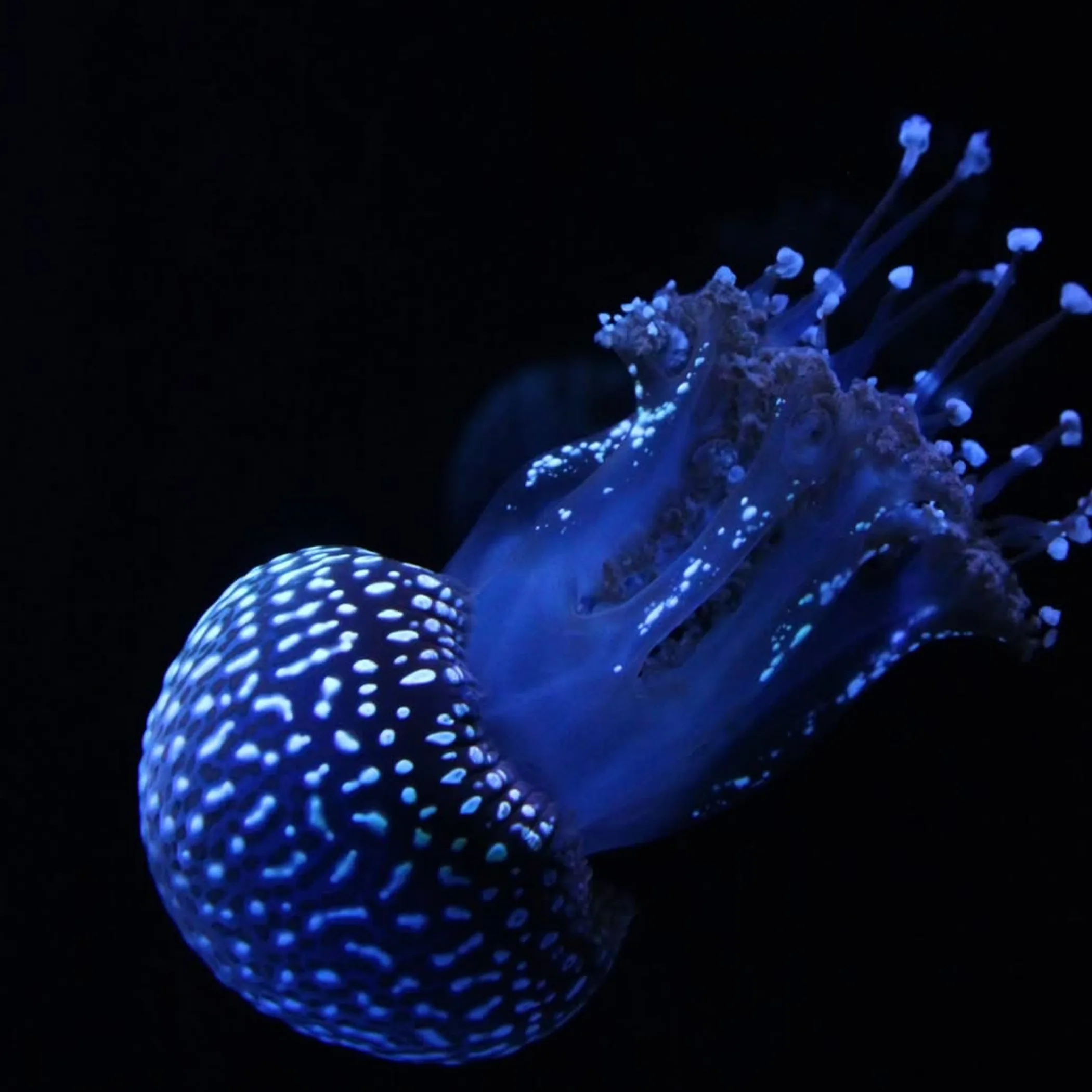
Whether you are scuba or snorkelling the Great Barrier Reef is not the same as a day at the beach. You could be some hours from land and in the company of others whose fitness and experience is not your own. Even seasoned snorkellers would do well to listen to the briefing from a reputable operator. They will go over the ladder, the current at that site, the boat and the emergency protocol.
To Avoid Any Unwelcome Surprises
If deep water makes you uneasy or you have not been at it for a while, the crew should be told. A noodle or vest is useful for saving energy but is no substitute for being able to swim. Use your buddy and do not stray from the area you are told to be in. I have been known to see a traveller of some confidence so intent on a photo of the coral he has put in some distance between himself and the group without noticing. The reef is not going anywhere once you have had a word with the boat.
Jellyfish and the like are not to be touched. If you are anxious about a sting, keep the splashing to a minimum and get out of the water at the first sign of burning or pain.
Extra Planning for Scuba Diving
With the added depth and the need to manage air and equipment, things are more involved. Should a diver be in distress from a suspected sting, normal safety still applies: signal the buddy, regulate breathing and effect a safe ascent in accordance with the operator’s procedure.
The dive leader is the one to speak to about exposure; a wetsuit with a bit more thickness will be warmer and offer more in the way of coverage but it has to work with your buoyancy apparatus and fit. And do not put on borrowed gear until you are sure you can operate the release and inflation.
A Suspected Sting
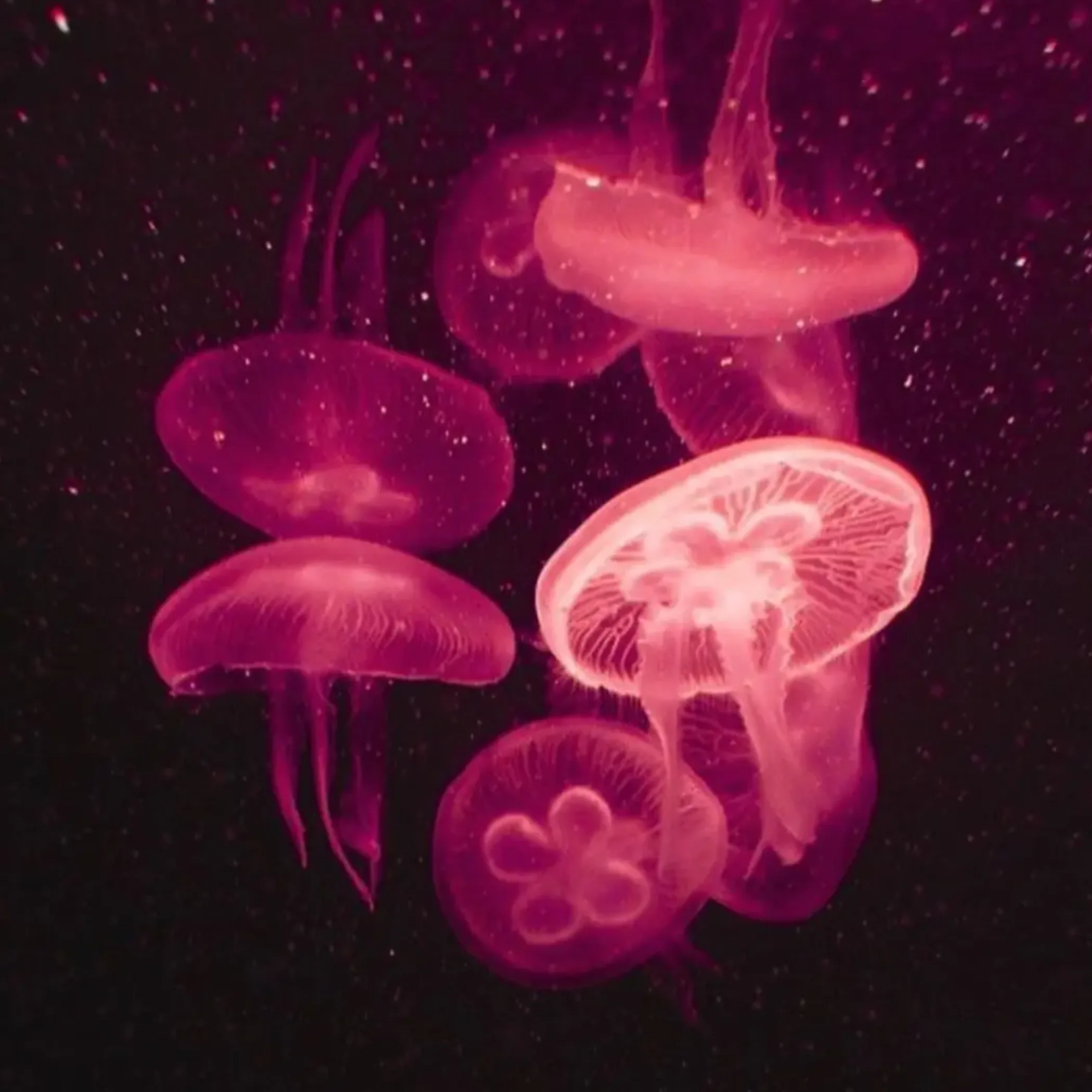
Any marine sting should be taken seriously. Get out of the water and make sure the crew, a lifeguard or some other responsible adult is made aware at once. Should you find yourself in pain, short of breath or dizzy, do not attempt to put in a swim back on your own.
In the event of a reaction that is rapidly getting worse, or for any of the following: collapse, chest pain, difficulty with your breathing or extreme pain, put in an emergency call to 000. Until help is on hand, have the person remain under supervision and as still as possible.
Vinegar And First Aid
What first aid is appropriate will be dictated by the stinger in question and what Queensland has to say on the matter. While vinegar is sometimes called for with a marine stinger, it is not a cure all for every jellyfish or animal sting. Put aside any urge to rub the area and certainly do not resort to sand, urine, alcohol, fresh water or some contrivance you have read about online; such remedies will only make things worse or put off proper care. Defer to the judgment of the lifeguards, the crew, Queensland Health or emergency services.
A case of suspected box jellyfish sting, collapse or breathing trouble is to be handled as an emergency. Rouse others and call 000, then act on what the trained responders tell you. With Irukandji jellyfish one can be too cautious; even if symptoms are mild to start with, get medical attention as serious effects have a way of being delayed.
A Safer Day At The Reef
An organised activity, the protective clothing on offer and heeding local instructions will see most visitors make safe work of the reef. It is an experience for those who can manage the water, take direction and are forthright about any health or confidence issues.
If you are under the weather, tired out or intoxicated, swimming and snorkelling may not be for you. Nor if you cannot get in and out of the water without difficulty. Have a word with the operator before you book, particularly if you have limited mobility, anxiety over open water or a medical condition of note.
Making The Most Of One Day
Give the safety briefing your attention and stick to the area set aside for swimming. Be there with time to spare for check-in and to have your questions answered. Make sure you have sun protection, a change of dry clothes, drinking water and any medication in something waterproof.
Do not be surprised if the day runs longer than the time you are in the water. Between the transfers, boarding, equipment and safety checks, weather and the trip back, it all adds up. As for cost, that will depend on the operator and where you are going; see if transport, meals and stinger suits are part of the bill before you pay.
Before you go in the water, run through these:
- Heed the warnings from the beach, the weather and on marine stingers.
- Put your stinger suit or wetsuit on and be sure it is secure.
- Let the crew know of any medical matters or how well you can swim.
- Stick to the marked route and your group.
- Make sure you know how to contact emergency services and where to report a sting.
Frequently Asked Questions
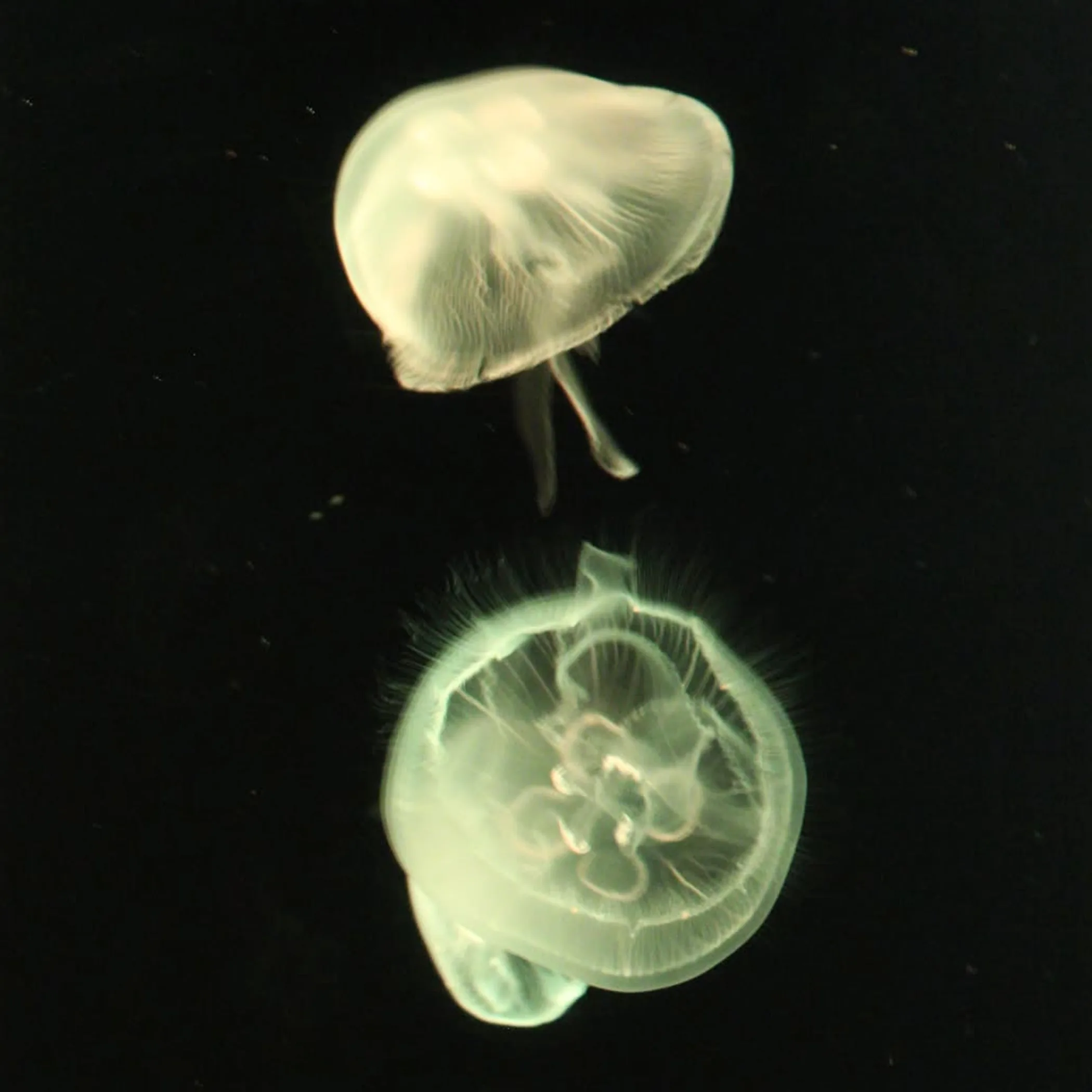
Stinger Season On The Great Barrier Reef?
The warmer months, say November through to May, are usually considered so. But conditions are local, so look to the signs and the tour operators for the day’s advice.
Is A Stinger Suit Necessary On The Reef?
Not at every site you might be required to have one, but we would recommend it when the authorities or operator do. It is sensible cover for the skin in the heat of the year.
How To Guard Against Jellyfish In Queensland?
By way of protective clothing and by not touching marine life. Swim in the areas put forward for the purpose and do as the lifeguards and tour crews say. If the conditions do not look right or the advice is not clear, stay out of the water.
Stung By A Jellyfish?
Out of the water and onto a lifeguard or member of the crew for first aid. A 000 call is in order for anything severe. Leave the skin alone and do not put on home cures. Take the professional line on the use of vinegar.
Are The Stinger Nets Safe?
They lessen the risk in the designated area but do not preclude the presence of a stinger. Remain within the marks and follow instructions.
Can You Safely Swim In The Great Barrier Reef?
With a reputable operator or in an authorised spot and with the right clothing on, yes. But do not assume the conditions are the same at every island or beach.
Box Or Irukandji?
You will not have to distinguish between them to be cautious. The former is larger with long tentacles, the Irukandji is small and eludes the eye. Seek help rather than try to identify it.
Does Vinegar Do Any Good?
In some instances, yes. For others it is not. We suggest you follow the current word from the relevant Queensland authority or the emergency services.
Safety Should Be Part Of The Trip
There is a simple way for a visitor to the Great Barrier Reef to be protected from stingers: act promptly if there is a problem, cover up, check the conditions and swim where you are told to. A few minutes spent on these ocean safety guidelines will keep the day from becoming a story you remember for the wrong reasons.
Be respectful of the reef. A cautious call is no failure of an adventure, more often than not it is what allows you to have another. So be flexible with your plans and listen to the crew.
